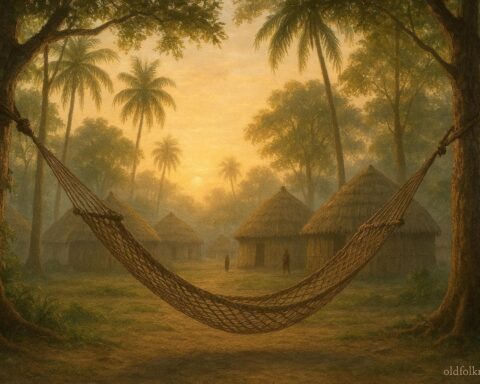
On Andros Island in the Bahamas, where pine forests stretch wide and shallow creeks cut through limestone earth, the Chickcharney was spoken of in cautious tones. It was not a creature people sought, nor one they wished to anger. It belonged to the old world of the island, a world shaped by labor, belief, and unseen forces that watched quietly from the bush.
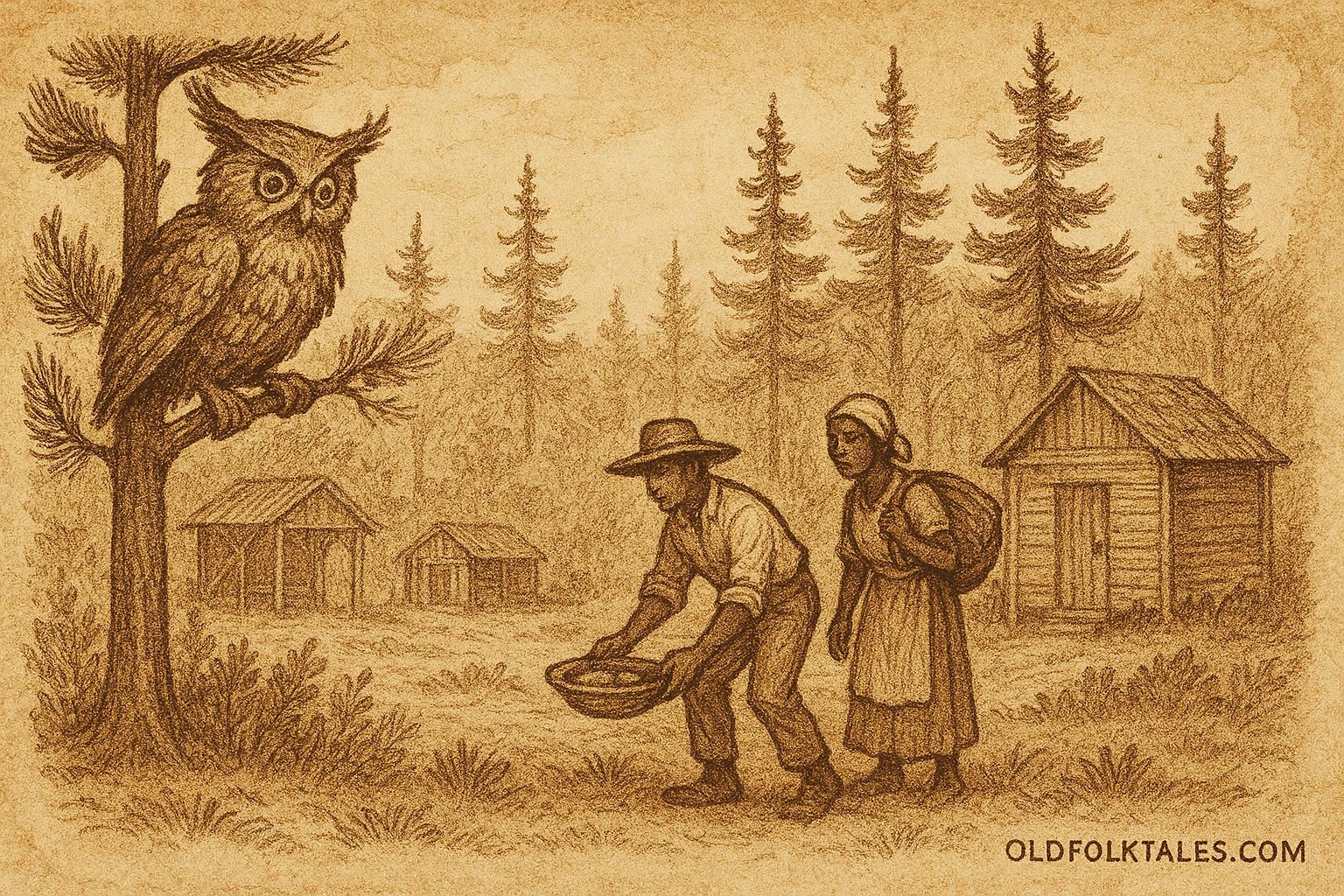
The Chickcharney was said to resemble a small, elf-like being, feathered like an owl, with glowing red eyes that shone in the half-light of the forest. It walked upright, balancing on three toes, and its hands ended in three narrow fingers. Some claimed it whistled softly as it moved. Others swore it could appear without a sound at all. What everyone agreed upon was this: how a person treated the Chickcharney determined whether luck or misfortune would follow.
Men who worked construction sites or cleared land on Andros Island were especially mindful of the creature. Long days were spent cutting timber, raising frames, or laying stone under the heavy island sun. The bush pressed close to their work, thick and alive, and it was believed that Chickcharnies watched these labors from the shadows.
Workers told stories of those who laughed at the old warnings. Such men mocked the idea of leaving food behind or speaking respectfully into the forest. They said luck came from strength and skill alone. Yet accidents seemed to follow them. Tools slipped. Beams fell. Illness came suddenly. These events were never loudly blamed on the Chickcharney, but the silence afterward carried meaning.
Others chose caution. At midday, when lunches were unwrapped, some workers set aside a small portion of their food. A piece of bread. A bit of meat. Sometimes fruit. They placed it at the edge of the site, near the bush, without ceremony or fear. The offering was not a bribe, but a gesture of respect, acknowledging that the land was shared.
Stories spread of men who did this and found their workdays passing without harm. Structures stood firm. No serious injuries occurred. When tools went missing, they were later found resting neatly nearby. These men said little, but they continued the practice quietly.
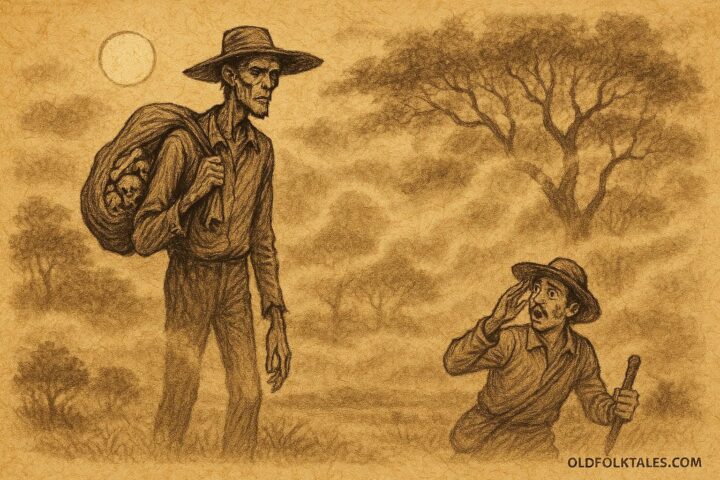
The Chickcharney itself was rarely seen clearly. A flash of red eyes. A movement between trees. Feathers stirred by wind. Those who encountered it directly said the creature tested people, watching how they reacted. A kind word or calm behavior might be rewarded. Mockery or cruelty invited trouble.
In this way, the Chickcharney became more than a creature of fear. It was a reminder. The forests of Andros Island were not empty. They held memory, presence, and power. The Chickcharney belonged to that balance between people and place, between effort and humility.
Even as times changed, the story endured. It was passed from worker to worker, from elder to youth, not as a command but as shared wisdom. On Andros Island, respect was protection, and the Chickcharney remained its quiet guardian.
Moral Lesson
The story teaches that respect for unseen forces, for land, and for tradition brings harmony, while arrogance and mockery invite misfortune.
Knowledge Check
1. What is the Chickcharney in Bahamian folklore?
A mythical elf-like creature believed to control good or bad luck.
2. Where does the Chickcharney originate?
Andros Island in the Bahamas.
3. How is the Chickcharney described physically?
It has red eyes, owl-like feathers, three fingers, and three toes.
4. Why did workers leave food offerings?
To show respect and ensure safety and good fortune.
5. What determines whether the Chickcharney brings luck or misfortune?
How a person treats or respects it.
6. What cultural value does this folktale emphasize?
Respect for tradition, nature, and unseen forces.
Cultural Source and Origin
Source: Folk-Tales of Andros Island, Bahamas by Daniel J. Crowley (1957), University of California Press
Cultural Origin: Andros Island, Bahamas