On the quiet Family Islands of the Bahamas, where the sea hushes itself at night and palm fronds whisper against wooden shutters, there is an old warning passed from elders to children. It is told in low voices, often just before bedtime, and it speaks of a presence that comes when the house is still and the mind drifts between waking and sleep. The story is known simply as The Old Hag Who Rides You.
According to island tradition, the Old Hag is not seen during the day. She comes only in the deep hours of night, when the moonlight slips through cracks in the window and the body rests but the spirit remains alert. Those who encounter her say the experience begins quietly. A person lies down to sleep, feeling tired but uneasy, as though the air has grown heavier than before. The room seems unchanged, yet something feels wrong.
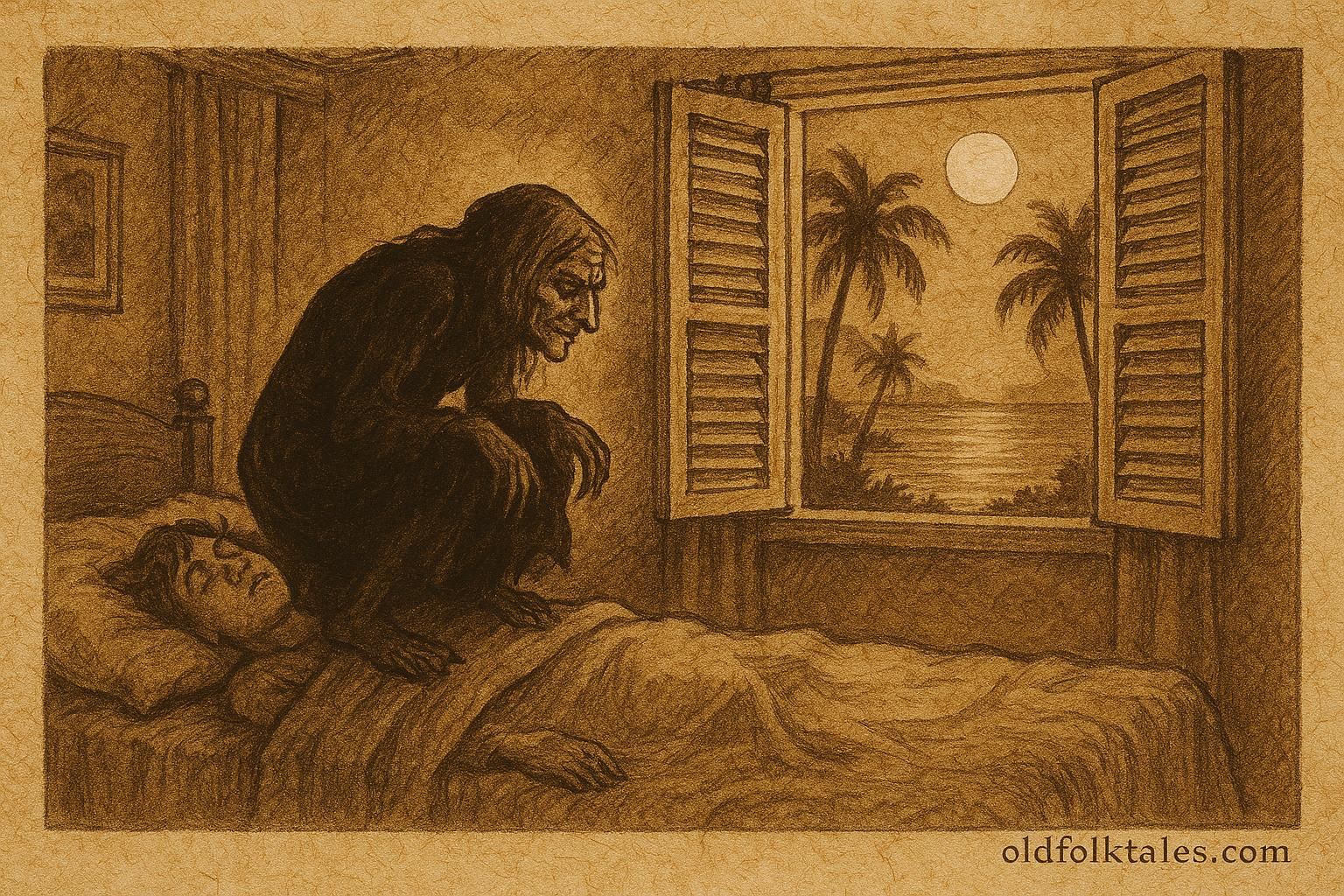
Without warning, the sleeper awakens but cannot move. Arms and legs feel pinned, as if pressed into the mattress by unseen weight. Breathing becomes shallow. The chest feels burdened, as though someone is sitting squarely upon it. Many who tell the story say they try to cry out, but no sound leaves their mouth. Their eyes may be open, yet their body refuses to obey.
It is then, the elders say, that the Old Hag appears.
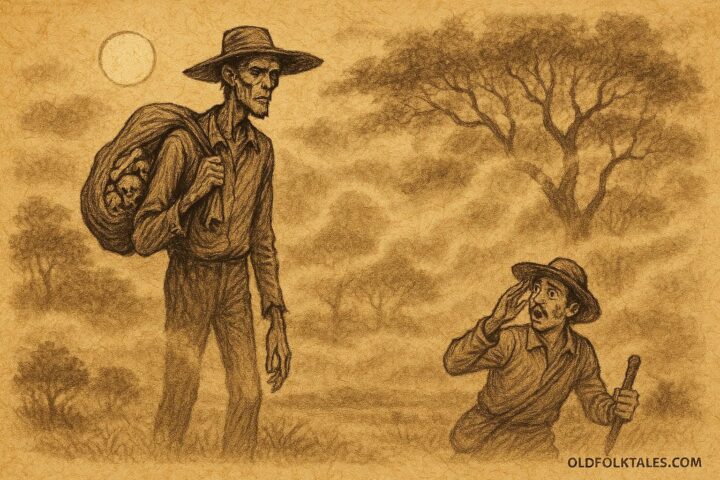
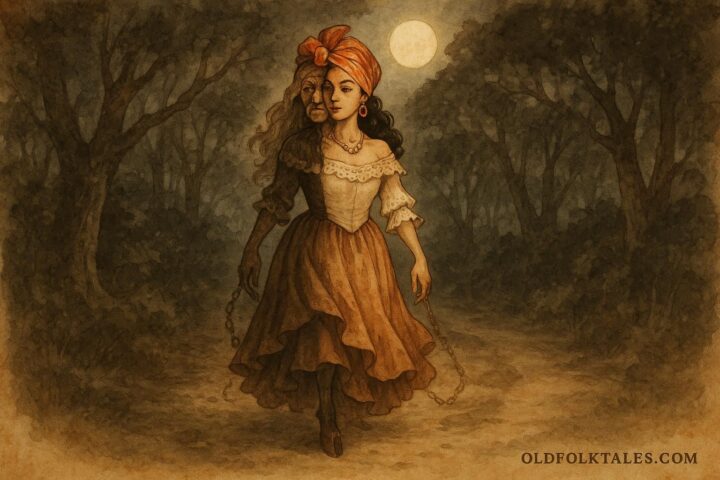
She is described as ancient and bent, her form thin but heavy with age. Some say she has long, tangled hair and skin like dry bark. Others insist they never truly see her face, only sense her presence as she crouches on the sleeper’s chest. What all accounts share is the same feeling of terror. The Old Hag does not speak, but her weight and silence are enough. She rides the sleeper, holding them helpless until she chooses to leave.
In Bahamian homes, these stories are not dismissed as imagination. They are understood as real experiences, explained through a blending of African spiritual memory and Christian belief. Elders explain that the Old Hag feeds on fear and vulnerability, visiting those who forget to protect themselves before sleep or who allow negative thoughts to linger into the night.
Families pass down protective rituals alongside the story. Before lying down, some place a Bible beneath the pillow, believing the holy word creates a barrier against harmful spirits. Others slip a pair of scissors under the mattress or pillow, the crossed metal said to confuse or repel the Old Hag. Prayers are whispered. Psalms are recited. These acts are not performed in panic but with quiet faith, reflecting the island belief that spiritual balance must be maintained daily.
Those who have experienced the Old Hag often describe the same ending. Just as suddenly as she arrives, the weight lifts. Breath rushes back into the lungs. Fingers and toes move again. The room returns to normal, leaving the sleeper shaken, soaked in sweat, and fully awake. Many sit up until dawn, unwilling to close their eyes again.
Elders explain that the Old Hag is not merely a figure of fear. She is a warning. She reminds people to live rightly, to pray, and to guard their spirit. The tale is also used to teach children discipline, urging them to listen to guidance, respect spiritual practices, and avoid careless behavior that leaves them open to harm.
Across generations, the story has remained remarkably consistent. Though modern explanations exist, the Family Island version remains rooted in lived experience and belief. The Old Hag Who Rides You is not told for entertainment alone. It is shared as knowledge, shaped by culture, memory, and the long nights of island life.
Even today, when the breeze falls silent and sleep comes slowly, some Bahamians still place a Bible or scissors beneath their pillow. Not out of superstition alone, but out of respect for a story that has guarded their nights for generations.
Moral Lesson
The folktale teaches the importance of spiritual awareness, respect for tradition, and the belief that fear and vulnerability must be met with faith, preparation, and inner balance.
Knowledge Check
1. Who is the Old Hag in Bahamian folklore
She is a night spirit believed to cause paralysis by sitting on a sleeper’s chest.
2. When does the Old Hag appear
She appears at night during sleep, especially in moments between waking and dreaming.
3. What physical sensations are described in the story
Inability to move or speak, pressure on the chest, and intense fear.
4. What protective items are mentioned in the tale
A Bible or scissors placed under the pillow or mattress.
5. What cultural beliefs influence this legend
A blend of African spiritual traditions and Christian faith.
6. What lesson does the story teach families
The importance of spiritual protection, discipline, and respect for tradition.
Source: Oral history interviews referenced in Journal of the Bahamas Historical Society (1978)
Cultural Origin: Bahamian Family Island traditions