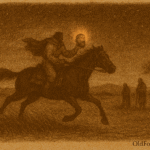
In the warm southern valleys of Honduras, where the Nacaome River glides beneath the pale moonlight, the people still whisper about La Llorona, the Weeping Woman. Her tale is one of grief and warning, carried by the sound of flowing water and the cries that echo through the night.
Long ago, in the old town of Choluteca, there lived a young woman named María Dolores. Her beauty was known throughout the valley, her dark eyes shone like polished onyx, and her laughter could calm the most troubled heart. Yet beneath her gentle nature lay a deep longing: to be loved truly and faithfully.
One day, María met a wealthy man who was captivated by her charm. He spoke sweetly, showered her with gifts, and promised her marriage. For a time, her world felt bright and filled with promise. But when she told him she was carrying his child, his affection turned to shame and cruelty. Fearful of scandal, he abandoned her without a word.
Heartbroken and humiliated, María withdrew from the world. Her neighbours whispered cruelly, and her family turned their faces away. The once-joyful sound of her voice was replaced by silence. She wandered the banks of the Choluteca River, clutching her infant son, the only reminder of the love that had betrayed her.
One moonlit night, as silver light rippled across the water, despair took hold of her soul. Tears streamed down her cheeks as she murmured, “If I cannot have your love, I will have no forgiveness.” And in a moment of anguish, she cast her tiny child into the river’s cold embrace.
The current swallowed him in an instant. Horrified by what she had done, María screamed, “¡Ay, mi hijo!”, “Oh, my son!”, and leapt into the water after him. But the river offered no mercy. It carried them both away into its dark, endless flow.
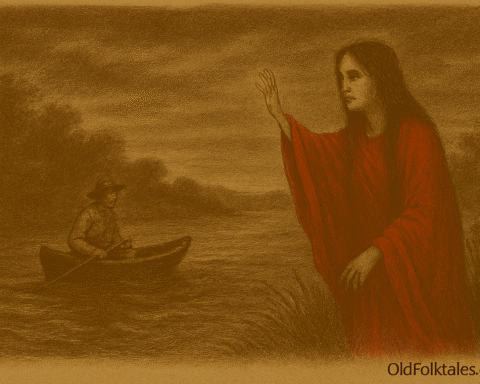
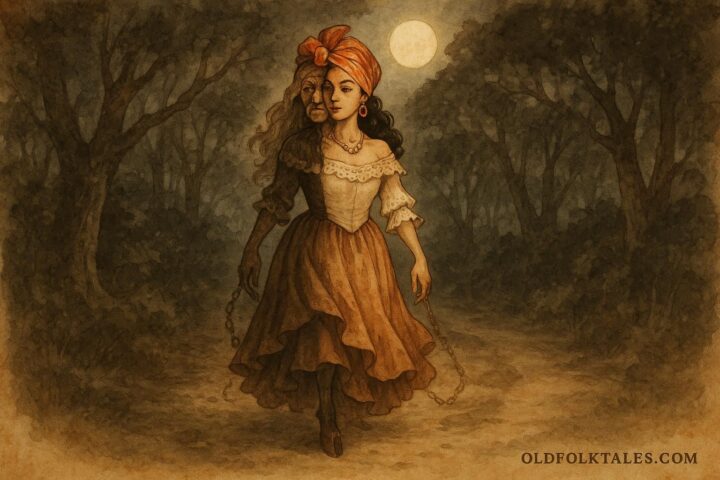
From that night onward, the people of Choluteca said that her spirit never found peace. As the moon rises over the valley, she is seen walking along the riverbank, draped in a flowing white gown, her long hair clinging to her shoulders. Her cries pierce the silence, a mother’s eternal wail for the child she lost.
Fishermen who set out before dawn often speak of hearing her soft sobs carried by the wind. They say that when her voice echoes, the river grows still and the air turns icy. The bravest among them have seen a pale figure bending over the water, combing her hair or reaching into the current, as if searching for something that will never return.
Those who are foolish enough to call out to her never do so twice. The old people say that if you answer her cry, a freezing wind will pass through your body, leaving you weak and feverish by morning. Some have fallen ill for days; others have never awakened at all.
So, the elders of Choluteca warn the young and the curious: “When you hear the river cry, keep silent. Not everything that calls for its child is human.”
Even today, when the night air grows cold and the river murmurs softly, families whisper a prayer before crossing its banks. They say that La Llorona’s spirit still lingers, neither good nor evil, only lost. A soul bound to her sorrow, teaching others through her endless lament that love without honour leads only to despair.
Moral Lesson
The story of La Llorona of Choluteca reminds us that unchecked sorrow and despair can lead to tragedy. It teaches compassion for the suffering and warns against deceit, vanity, and false promises. Above all, it speaks to the sacred bond between mother and child, one that even death cannot silence.
Knowledge Check
1. Who is La Llorona in this Honduran folktale?
She is María Dolores, a woman who drowned her child in despair and now wanders the river as a weeping spirit.
2. Where does the story of La Llorona take place?
In the southern region of Honduras, along the Nacaome River near the town of Choluteca.
3. What caused María Dolores to commit her tragic act?
She was abandoned by the man she loved after becoming pregnant, leading her to act out of shame and grief.
4. What do villagers experience when La Llorona appears?
They hear her sorrowful cries, feel an icy wind, and see the river grow still beneath the moonlight.
5. What warning do the elders give about hearing her cries?
They advise never to answer her voice, as doing so brings illness or misfortune.
6. What moral does the tale teach about love and despair?
That love without faith and respect leads to destruction, and despair blinds the heart to forgiveness.
Source: Adapted from Tradiciones y Leyendas de Honduras by Jesús Aguilar Paz (Tegucigalpa: Tipografía Nacional, 1931; reprint 1989); oral versions compiled in the Archivo de Tradición Oral Hondureña.
Cultural Origin: Honduras (Choluteca Valley and Nacaome River region; Central American folklore)