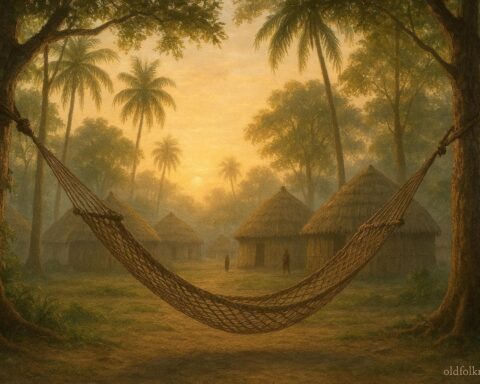
On the low, sunburned island of Mayaguana, where the land lies open to sky and sea, there came a season when the rain did not return. Weeks passed beneath a hard blue heaven, and the earth cracked beneath bare feet. Wells thinned, crops withered, and the salt wind carried dust instead of relief. The people of Mayaguana knew drought was not only a test of endurance, but a sign that balance had been disturbed.
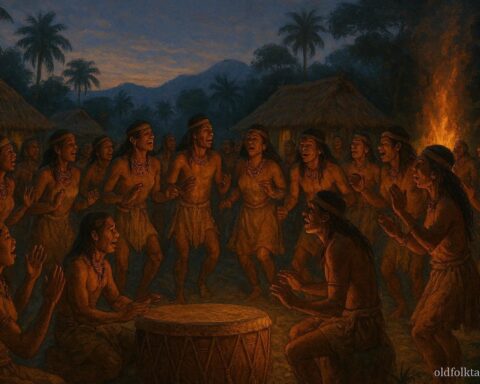
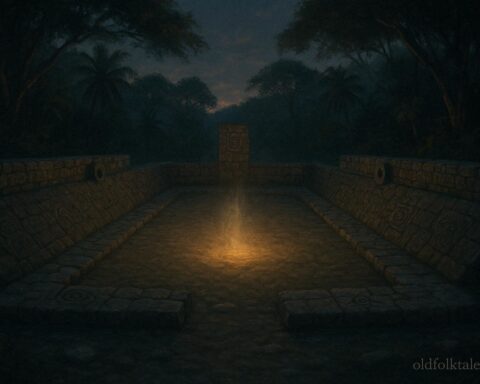
In times like these, the community turned to tradition. As their elders had done before them, the villagers prepared a Goombay drumming ceremony, calling upon rhythm, movement, and shared spirit to ask the heavens for rain. Drums were stretched tight and placed in the clearing. Fires were lit. Voices gathered. The island waited.
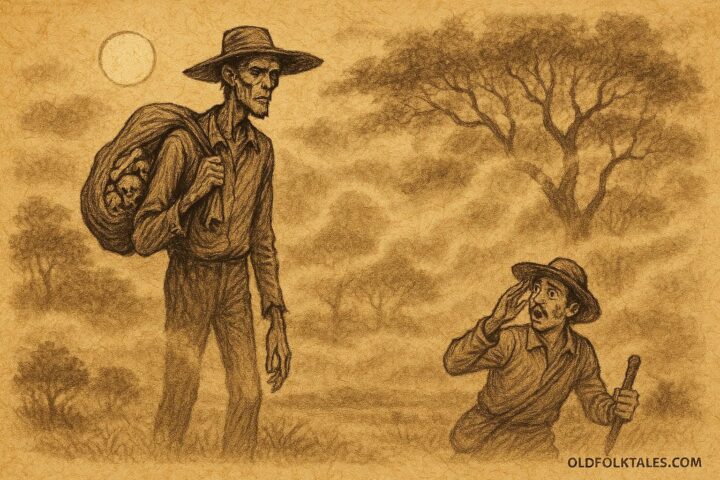
Among the villagers lived an old woman who kept mostly to herself. She was known for her strange habits and her quiet ways, and many avoided her company. Yet she watched closely as preparations were made. Before the ceremony began, she approached the gathering and spoke with care.
“Call for rain,” she said, “but do not forget respect. The land listens. The ancestors listen.”
Her words were met with uneasy laughter. Some brushed her aside, others mocked her caution. The drums were lifted, and as dusk fell, the ceremony began.
At first, the rhythm was steady and solemn. Feet moved in time, voices rose and fell, and the people danced with hope. But as the night deepened, the drumming grew faster, louder, more feverish. The dancers lost restraint. Movements became wild, careless. Laughter turned sharp. Some imitated the old woman’s warning with exaggerated gestures, turning caution into jest.
Then the earth answered.
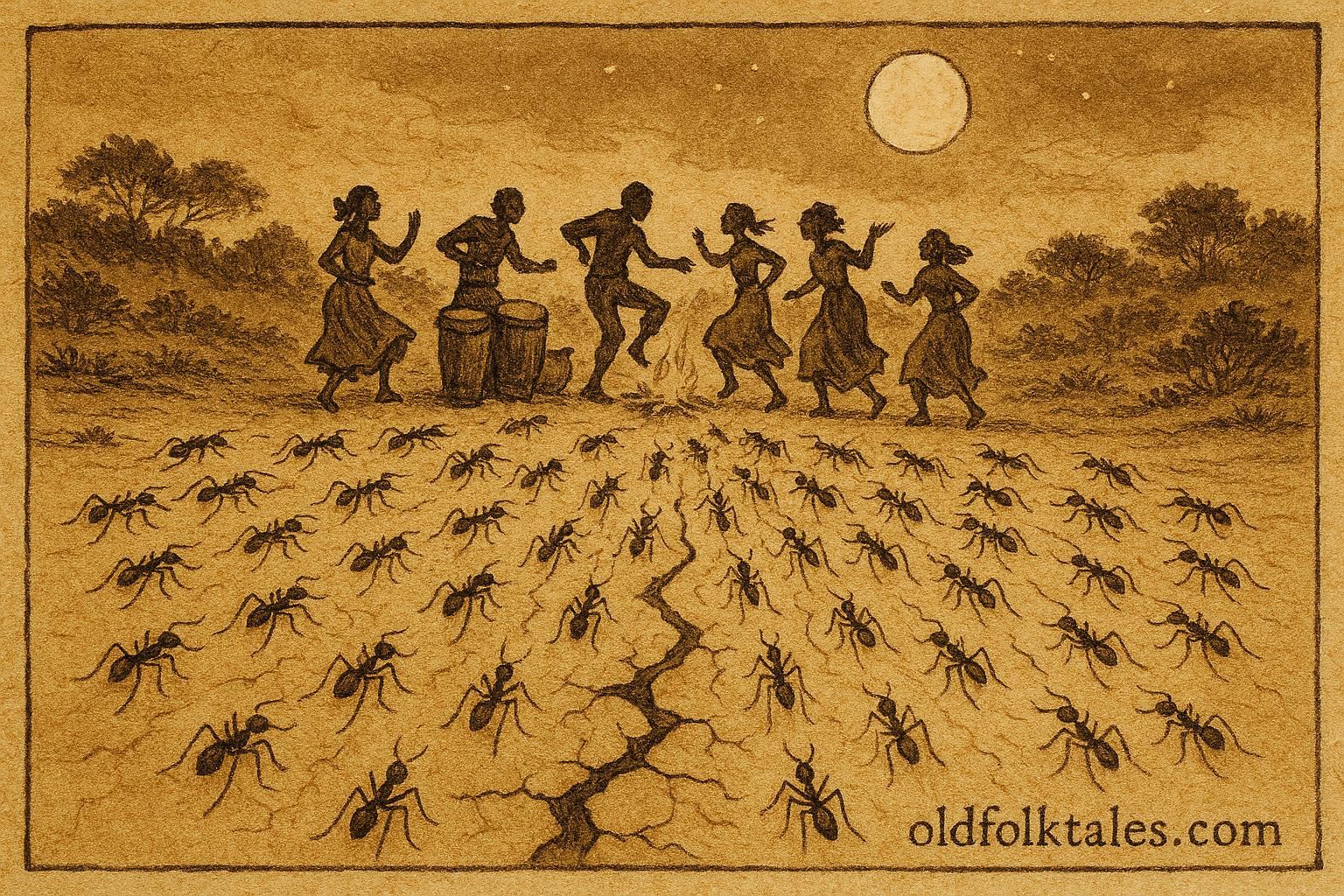
Beneath the pounding feet came another sound, faint at first, like clicking beads. The drummers faltered, listening. From the dry ground emerged lines of ants, larger than any the villagers had seen. They rose in countless numbers, forming long, perfect rows. Their movements were precise, rhythmic, and unmistakably deliberate.
The ants moved as one, circling the clearing, their bodies lifting and lowering in time with the drums. It was as though the earth itself had joined the dance, but without joy. The sight silenced laughter. The clicking grew louder, matching the beat exactly, not echoing it, but correcting it.
Then the ants advanced.
They swarmed the food set aside for celebration, covering it completely. They climbed the drums, crawling across stretched skins and wooden frames, breaking the rhythm. Finally, they moved toward the dancers themselves, biting at feet and ankles. Panic erupted. The villagers scattered, abandoning the ceremony, fleeing the clearing in fear and confusion.
By morning, the ants were gone. The land lay quiet. Still, no rain came.
Ashamed and desperate, the villagers sought out the old woman they had mocked. This time, they listened. She told them what they had forgotten.
The ants, she explained, were not pests, but ancestral spirits, guardians of the land who had answered disrespect with correction. The ceremony had called power without humility. The land and those who came before them had been offended.
The villagers made amends. They returned to the clearing in silence, offered food with care, and thanked the old woman for her guidance. Only then did the clouds gather. Rain fell gently at first, then steadily, soaking the dry earth and restoring the island.
From that day on, the people of Mayaguana remembered that nature and ancestors are not distant forces. They listen, respond, and demand respect.
Moral Lesson
This folktale teaches that nature and ancestral spirits are active participants in community life. Ritual without respect invites correction, while humility restores balance and blessing.
Knowledge Check
1. Why did the people of Mayaguana hold a Goombay drumming ceremony?
They performed the ceremony to pray for rain during a severe drought.
2. What warning did the old woman give before the ceremony?
She urged the villagers to show respect, reminding them that the land and ancestors listen.
3. How did the villagers behave during the ceremony?
They became careless, danced wildly, and mocked the old woman’s caution.
4. What unusual event interrupted the drumming?
Millions of large ants emerged from the earth, moving in precise, rhythmic lines.
5. What did the ants represent according to the old woman?
They were ancestral spirits responding to disrespect.
6. What brought the rain at last?
The villagers made amends and restored respect to their ritual.
Source and Cultural Origin
Source: Bahamian folktale, Bahamas
Adapted from Folk-Tales of Andros Island, Bahamas by Daniel J. Crowley, extended to the Family Islands.
Cultural Origin: Mayaguana, Bahamas