Long ago, in the lush forests and sprawling plantations of Suriname and Guyana, enslaved people labored under the harsh command of cruel masters. Among them lived a young man known for his quick mind and sharp wit, though outwardly he appeared humble and obedient. His cleverness, however, would become the key to survival, proving that intelligence could resist even the most powerful oppressors.
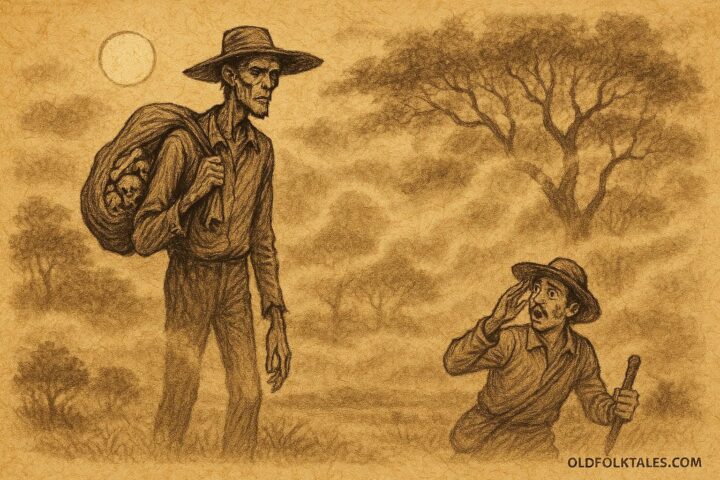
One sweltering afternoon, the master summoned him. “Boy!” the man bellowed, voice like thunder rolling over the river. “Why is this work unfinished? Explain yourself!”
Click to read all South American Folktales — timeless stories from the Andes to the Amazon.
The young man bowed low, feigning confusion. “Master, forgive me, I do not understand what is lacking,” he said, though in truth, he had worked tirelessly. The master’s brow furrowed, frustrated at the seeming defiance masked as ignorance.
Days passed, and the master set ever more impossible tasks, hoping to catch the young man in error. Yet each time, the slave responded with riddles, clever explanations, or slight misdirection, all without outright confrontation. One morning, he was asked to measure the length of a river with a single rope. The master expected failure, but the young man replied, “Master, I shall stretch the rope across the river in three leaps of thought.” With that, he used his ingenuity to estimate the distance precisely, leaving the master astonished.
Word of his cleverness spread quietly among the other enslaved people, inspiring them. His cunning was not mere trickery for self-preservation; it was a form of subtle rebellion. By exploiting the master’s arrogance and pride, he highlighted the futility of cruelty and the power of intellect.
One day, the master devised a cruel test: “If you answer my question correctly, you may live another day. Fail, and punishment will be severe.” The slave smiled inwardly, knowing that survival required both courage and wit. The master asked, “How can a man measure the wind?”
The young man pondered briefly and answered with calm confidence: “Master, the wind measures itself in the bending trees and the rustling leaves; all we must do is watch and listen.” The master, unable to grasp the subtlety of the answer, scowled but found no fault in the truth spoken.
Soon, the slave’s reputation for intelligence became both a shield and a symbol. The master, frustrated by repeated failures to punish him, eventually allowed the young man more freedom, recognizing that brute force alone could not control cleverness. Through patient strategy and mental agility, the young man maintained dignity and safety for himself, and indirectly inspired hope among those who suffered beside him.
By the story’s end, the clever slave’s triumph was quiet but profound: no chains of oppression could bind a mind determined to survive and resist injustice. His tale reminded generations that wit, patience, and cunning could challenge cruelty and protect the vulnerable, even under the harshest conditions.
Moral Lesson
Intelligence and cleverness can be powerful tools against oppression. Wit, patience, and resilience safeguard dignity and inspire others even in the face of cruelty.
Knowledge Check
1. Who is the main character of the story?
A clever young enslaved man in Suriname and Guyana.
2. What is the master’s role?
He represents oppression and cruelty, testing the slave’s wit.
3. How does the slave protect himself?
By feigning ignorance, using riddles, and employing clever solutions.
4. What cultural tradition does this story reflect?
Afro-Surinamese Maroon oral storytelling, emphasizing resistance and survival strategies during enslavement.
5. What is a key symbol in the tale?
The use of riddles and cleverness symbolizes resistance and mental freedom.
6. What is the central lesson of the folktale?
Wit and resilience can overcome oppression and preserve dignity.
Source: Afro-Surinamese/Guyanese folktale
Tradition: Maroon oral storytelling, adapted from African Akan and Bantu narrative motifs