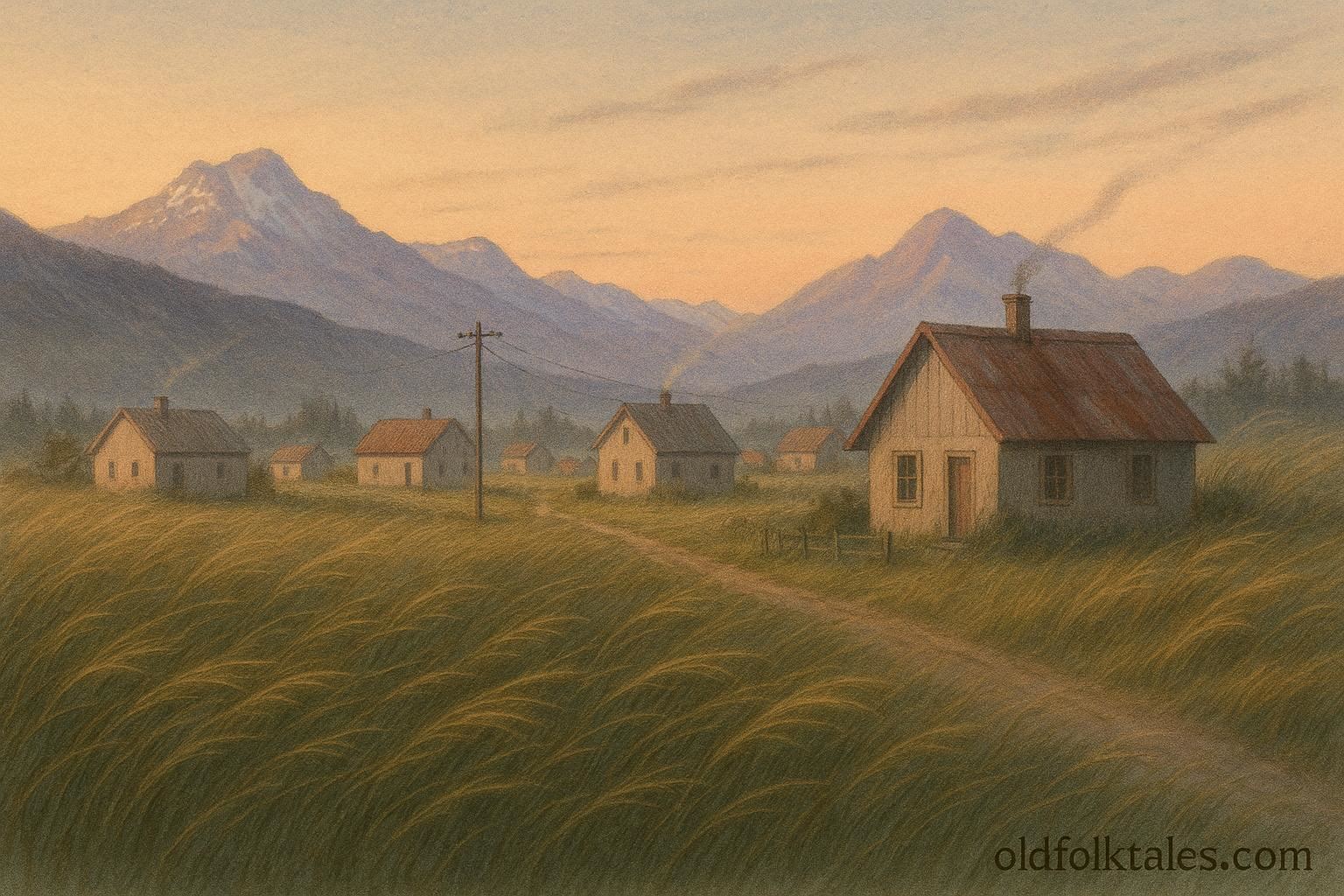
In the wide southern lands where plains stretch toward distant mountains and the wind moves without obstruction, the Mapuche people learned early that sound itself carried meaning. The wind was not merely air in motion. It was a traveler. It arrived unannounced, lingered briefly, and departed without promise of return.
Among the elders, there was an old saying. Some winds pass through to cool the skin. Others pass through to test the spirit. But one wind, they said, speaks only once.
This wind did not arrive with storms or sudden violence. It came quietly, sliding across grass and stone with unusual steadiness. When it came, the elders taught, it carried guidance meant for those willing to stop everything else and listen.
In one village near the Patagonian plains, people lived busy lives shaped by seasons and survival. Hunters followed herds. Women gathered plants and prepared hides. Children ran freely, learning through movement and observation. Life was demanding, and attention was often divided.
One year, signs began to appear. Birds flew lower than usual. Fires burned unevenly. At night, the air felt expectant, as if waiting. The elders recognized these signs and warned the village. “The speaking wind is near,” they said. “When it arrives, listen with your whole being.”
Some villagers nodded respectfully. Others dismissed the warning. They had heard many stories and believed survival depended more on action than listening. A young hunter named Ralko was among those who doubted. He was skilled and confident, believing that wisdom was earned through effort, not silence.
The wind arrived just before dawn.
It moved slowly through the village, stirring dust without lifting it, touching doorways and cooking stones. It made no sound at first. People woke with a strange awareness, as though their names had been spoken without words.
Those who remembered the elders’ teachings stepped outside and stood still. They did not speak. They did not gesture. They listened.
When the wind finally spoke, it did not shout. It whispered. Its voice did not come from one direction but from everywhere at once. It spoke of changes ahead. Of shifting water paths. Of hunting grounds that would soon grow empty. Of patience required in the coming season.
The words were few. They were not repeated. The wind did not explain. It trusted the listener to understand.
Some villagers heard clearly. They adjusted their plans. They stored food differently. They moved camps earlier than usual. Others, distracted by tasks or disbelief, heard nothing at all.
Ralko was sharpening his tools when the wind passed him. He felt it brush his face but did not pause. Later, he would say he heard nothing, only ordinary air.
By midday, the wind was gone.
The elders gathered those who had listened and asked what they heard. The accounts differed slightly, but the message was consistent. Change was coming, and haste would bring hardship. The elders thanked the wind aloud, even though it was gone, acknowledging that guidance offered once was still worthy of gratitude.
Weeks passed. The first signs appeared exactly as foretold. Streams shifted. Herds moved farther south. Those who had listened adapted early. Their stores held. Their journeys were timed carefully.
Ralko and others who had not listened struggled. Hunting trips failed. Paths once reliable led nowhere. Frustration replaced confidence.
Ralko went to the elders and asked when the wind would return. The eldest among them shook her head. “It does not return,” she said. “It teaches once. What is not heard cannot be repeated.”
Ashamed, Ralko asked how he could learn what he missed. The elder replied gently. “By watching the consequences. That is the second lesson.”
Ralko changed. He slowed his movements. He began listening not only for voices but for patterns. He learned to observe grass, birds, and silence. Though he never heard the speaking wind, he learned respect for fleeting wisdom.
The village survived the difficult season because enough people had listened. When balance returned, the elders retold the story of the wind to the children, reminding them that not all guidance waits patiently.
They taught that wisdom does not shout, and that some truths appear only once, passing quietly through those who are ready.
Even now, when the plains fall silent and the air feels unusually still, the Mapuche pause. They stop speaking. They listen. Not because the wind will speak again, but because listening itself has become a form of respect.
Explore the ancestral legends of Canada, Mesoamerica, and South America’s Indigenous tribes.
Moral Lesson
Wisdom is often brief and easily missed. Those who listen with patience and presence receive guidance, while those who rush past moments of insight must learn through difficulty. Attention is a responsibility, not a luxury.
Knowledge Check
1. What made the wind different from ordinary winds?
It carried guidance and spoke only once, offering wisdom without repetition.
2. Why did some villagers fail to hear the wind?
They were distracted, rushed, or unwilling to pause and listen.
3. What did the wind warn the village about?
Upcoming environmental changes and the need for patience and adaptation.
4. What lesson did Ralko learn after missing the wind’s message?
That wisdom requires attention and humility, not just effort.
5. Why did the elders thank the wind even after it left?
To acknowledge the guidance given and show respect for fleeting wisdom.
6. What lasting change did the wind bring to the community?
It reinforced the importance of listening and awareness in everyday life.
Source
Adapted from Patagonian oral narratives, Universidad Nacional de la Patagonia Austral.
Cultural Origin
Mapuche peoples, Chile and Argentina.