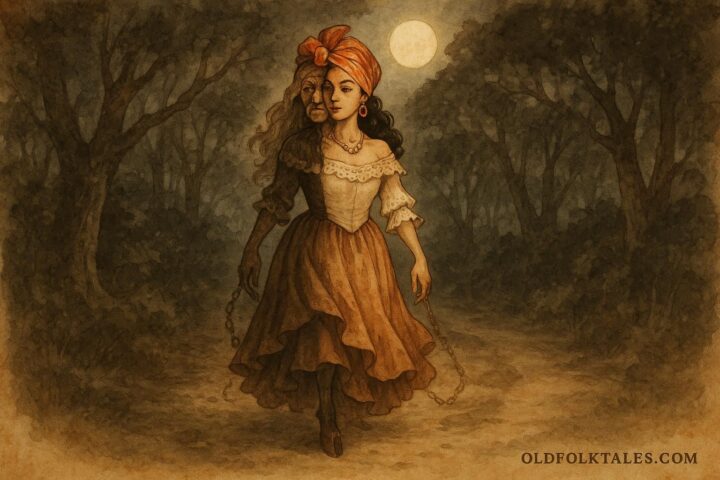
In a prosperous colonial town of Mexico, where stone streets echoed with the sounds of trade and church bells marked the passing hours, there lived a wealthy merchant and his family. His home stood near the marketplace, a place of constant movement where merchants bargained, travelers passed through, and news spread quickly. Among his household treasures was his daughter, known throughout the town for her grace, intelligence, and calm manner.
One season, a stranger arrived. He was well-spoken but modestly dressed, carrying little more than what he could manage himself. He did not boast of his origins or wealth, nor did he make grand displays to attract attention. Yet he showed a quiet interest in the merchant’s daughter, visiting respectfully and speaking with courtesy.
The merchant and his family were uneasy. In a society where honor, lineage, and reputation carried great weight, a man without a known background invited suspicion. They questioned his intentions and warned the young woman to be cautious. Appearances, they believed, often revealed the truth of a person’s character.
The daughter listened carefully but chose patience over judgment. Instead of dismissing the stranger or accepting him blindly, she observed him. She watched how he spoke to servants, how he treated shopkeepers, and how he behaved toward the poor. She noticed his kindness to those who could offer him nothing in return and his honesty in small dealings that went unseen by most.
Over time, her quiet observations formed a clearer picture. The stranger did not seek favor through flattery or wealth. His actions were consistent, his words measured, and his conduct respectful. Though her family remained doubtful, the daughter believed character was revealed through deeds, not status.
One busy market day, danger tested that belief. Amid the crowd, thieves attempted a robbery, causing panic among merchants and townspeople. Shouts rang out as people scattered, fearful for their goods and safety. While others hesitated, the stranger acted without concern for himself. He intervened, alerting others and helping prevent further harm until order was restored.
The incident changed everything. The merchant and townspeople witnessed the stranger’s courage and selflessness. His actions spoke more clearly than any promise or appearance ever could. The merchant realized that honor was not inherited or displayed through wealth alone, it was proven through moral action.
With humility, the merchant acknowledged his misjudgment. The family gave their consent to the marriage, recognizing that the stranger had earned trust through integrity and courage. The union was celebrated not as a triumph of status, but as a lesson in wisdom and discernment.
The story spread through the town, reminding all who heard it that true virtue lies beneath the surface, and that moral judgment must be guided by observation, patience, and ethical understanding rather than outward appearance.
Moral Lesson
This folktale teaches that integrity and moral character are revealed through actions, not appearances. True discernment requires patience, observation, and ethical judgment beyond social status or first impressions.
Knowledge Check
Q1: Who are the main characters in the story?
A: A merchant’s daughter, her family, and a mysterious stranger.
Q2: Why does the family distrust the stranger?
A: His background and status are unknown, raising concerns about honor.
Q3: How does the daughter judge the stranger’s character?
A: By observing his actions toward others over time.
Q4: What event proves the stranger’s integrity?
A: His courageous response during a marketplace robbery.
Q5: What does the stranger symbolize?
A: Inner virtue and moral integrity beyond appearances.
Q6: What cultural values does the story reflect?
A: Spanish colonial ideals of honor blended with Indigenous ethical storytelling.
Source: Mexican colonial folktales; documented in 17th–18th century collections.
Cultural Origin: Mexico (Spanish Colonial era)