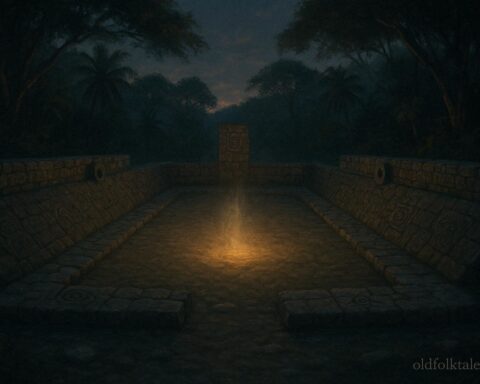
In the ancient cities of Guatemala, where cobblestones are worn smooth by centuries and the shadows of colonial arches grow long at dusk, there walks a ghost. She is not a wailing specter, but a figure of silent, devastating grief. Her name is La Tatuana, and she is the eternal memory of a love betrayed, forever haunting the places where paths converge.
Her story begins in the colonial era, a time of complex and often painful encounters. She is often remembered as a mestiza or indigenous woman, whose heart was given completely to a Spanish gentleman. Their love, flourishing in secret courtyards and under moonlit balconies, was a fragile bridge between two worlds. But the gentleman, bound by the rigid codes of his society, ultimately chose ambition or station over his promise. He abandoned her, his betrayal as sharp and final as a slamming door. The weight of this sorrow did not end with her life; it etched itself upon the very soul of the city.
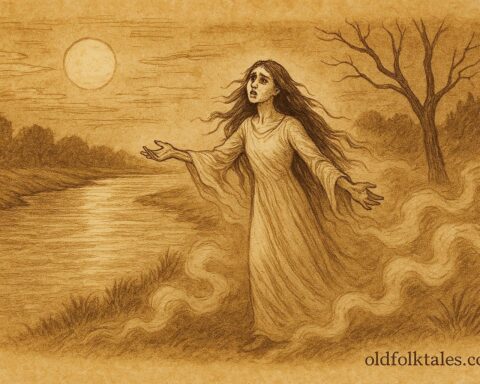
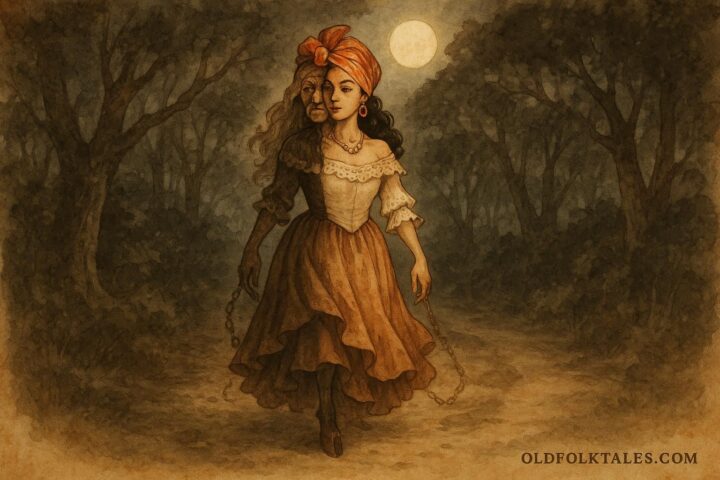
La Tatuana appears at liminal spaces, the lonely crossroads on the edge of town, and most famously, upon the historic stone bridges of Antigua Guatemala, like the old Puente de la Gloria. She is always a vision of anachronistic elegance. Her gown is of a forgotten fashion, rich in fabric yet faded by time, and her long, dark hair falls like a curtain of night. She is often seen standing perfectly still or gently brushing that hair with a beautiful silver comb, an intimate act that makes her seem almost human.
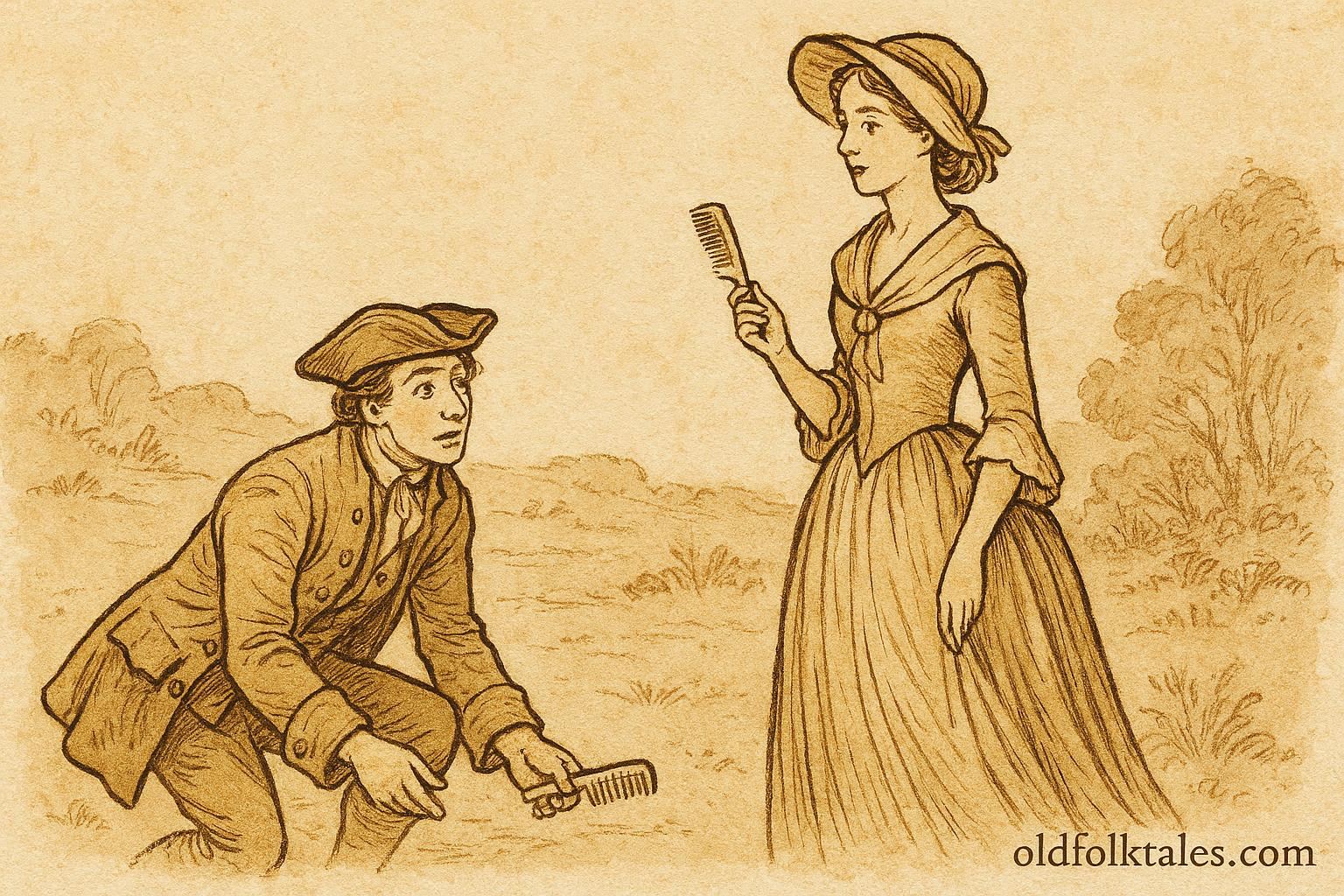
Her encounter is subtle, a trap set by sadness itself. If a man, walking home late or lost in thought, sees her drop her silver comb, his instinct may be one of chivalry. He picks it up, offering it to the lovely, solitary woman. She will accept it with a soft, breathless “Gracias,” her eyes downcast. But then, she will lift her gaze to meet his.
To look into the eyes of La Tatuana is to drown in an ocean of sorrow. There is no malice there, no anger, only a bottomless, timeless despair. And within that deep reflection, the man does not see her pain alone. He sees the unmistakable reflection of his own demise. It is a fleeting, psychic vision of his own death, imprinted upon his mind in an instant.
The effect is not a violent haunting, but a spiritual sickness. The man returns home carrying a profound, inexplicable melancholy. He loses all appetite for life, becoming listless and withdrawn, consumed by a deep despair that no doctor can diagnose. He may fall into a feverish illness, his body weakened by the ghostly grief he has witnessed. The cure is as specific as the curse. He must gather his remaining strength and return to the exact spot of the encounter at the stroke of midnight. There, he must return the silver comb to La Tatuana, or simply place it upon the ground where she stood, breaking the connection her sorrow forged.
La Tatuana does not chase, scream, or threaten. Her power is the overwhelming, contagious quality of her memory. She is a living archive of betrayal, and her presence infects the present with the unresolved anguish of the past. She is the city itself remembering, the stone walls and old bridges holding onto stories of heartbreak and social injustice. To meet her is to be forced to confront history’s lingering emotional truth, a truth so heavy it can break a person’s spirit.
She is a sister to legends like La Llorona, but where the Weeping One actively seeks, La Tatuana passively emanates. She stands as a solemn monument, a warning that some griefs are so profound they become landmarks, and that the past’s injustices can reach into the present with a cold, sorrowful touch.
The Moral Lesson:
This folktale warns of the enduring, toxic power of profound grief and betrayal. It suggests that unresolved historical and personal sorrow can haunt places and infect the unwary, and that confronting and respectfully acknowledging the past is often the only way to break its hold on the present.
Knowledge Check
Q1: Who is La Tatuana in this Guatemalan urban legend?
A1: La Tatuana is the ghost of a woman from the colonial era, often a mestiza or indigenous woman, who was betrayed and abandoned by her Spanish lover.
Q2: Where does La Tatuana typically appear according to the folktale?
A2: She haunts crossroads and historic stone bridges in Guatemalan cities, like the Puente de la Gloria in Antigua.
Q3: What object is central to an encounter with La Tatuana?
A3: Her silver comb, which she drops. If a man picks it up for her, it initiates the haunting.
Q4: What happens when a man looks into La Tatuana’s eyes after helping her?
A4: He sees endless sorrow and a psychic reflection of his own death, which leads to a deep, debilitating melancholy or mysterious illness.
Q5: How can a man be cured after encountering La Tatuana?
A5: He must return to the exact spot at midnight to return her silver comb, breaking the spiritual connection.
Q6: What does La Tatuana primarily symbolize in Ladino folklore?
A6: She symbolizes the lingering, contagious memory of historical betrayal and tragic romance, acting as the city’s embodied sorrow from the colonial past.
Source: Adapted from Ladino urban legends collected in Guatemala City and Antigua, appearing in early 20th-century Guatemalan periodicals.
Cultural Origin: Guatemala (Ladino folklore).