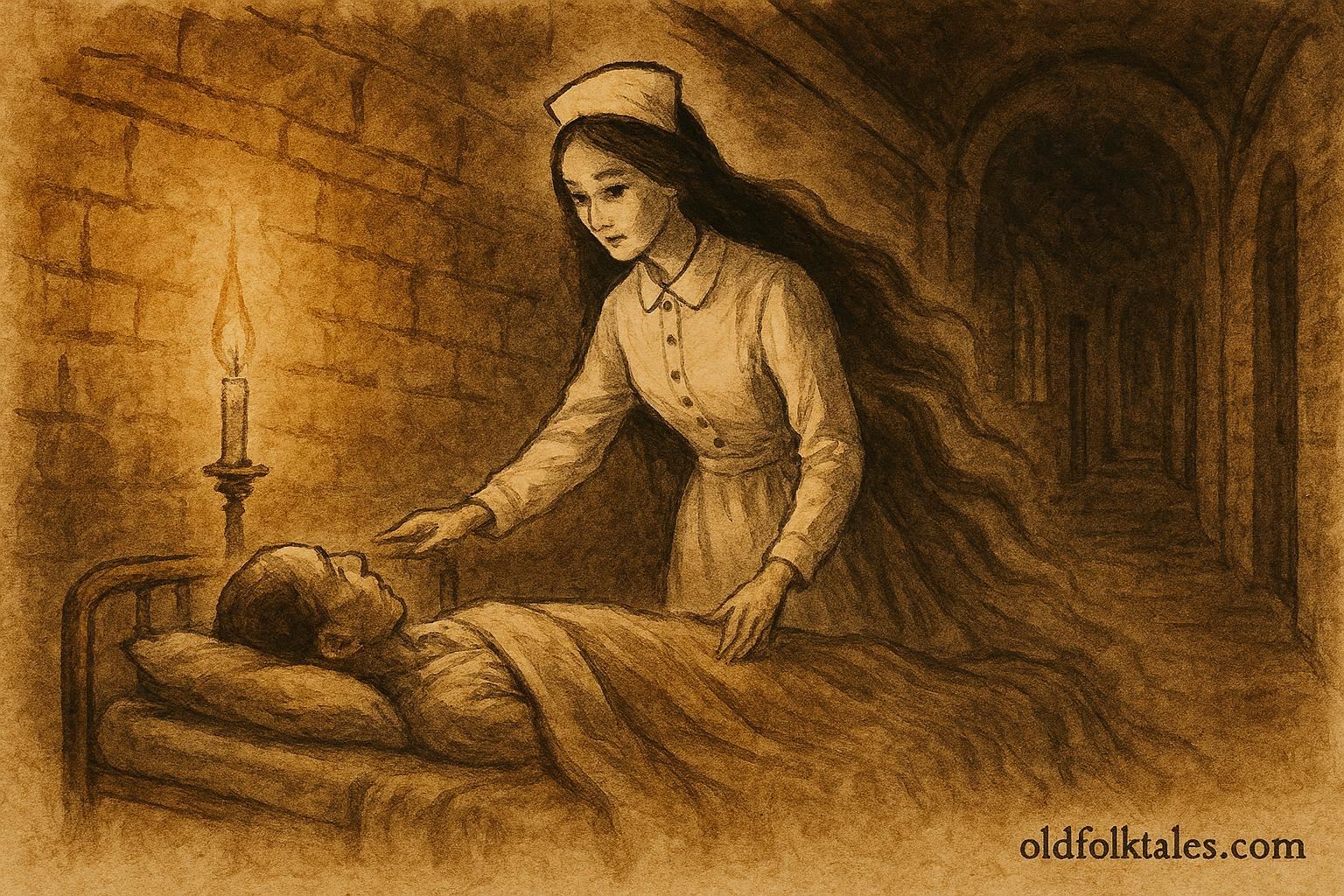
In the dimly lit corridors of colonial hospitals, where the echo of footsteps mingled with the soft groans of the sick, there existed a tale whispered among caregivers and patients alike. They spoke of La Planchada, the “Ironed Woman,” whose ghostly presence was said to glide silently between beds, her uniform immaculate, her movements precise, her face hidden behind the soft glow of candlelight.
In life, she had been a devoted nurse, but a moment of neglect had brought a tragic consequence: a patient she was meant to attend passed away under her watch. Wracked with guilt, she vowed to dedicate herself fully to the care of others. Even in death, it was said, her spirit could not rest until she fulfilled this duty. The hospital staff recounted stories of patients found soothed, fever reduced, or comforted inexplicably after midnight, always noting the perfect order in which their rooms were maintained, as if an invisible hand had ironed linens and straightened sheets.
Discover South America’s folktales filled with magic, transformation, and ancestral wisdom
La Planchada’s apparition was not malevolent. She did not seek to punish, but rather to remind the living of the weight of their responsibilities. New nurses, initially skeptical, often reported an eerie calm descending over the wards when she appeared, inspiring them to act with attentiveness and compassion. Even the most hardened doctors admitted a strange sense of reassurance when her footsteps echoed faintly along the hallways.
One night, a young apprentice nurse, timid and uncertain, found herself alone with a gravely ill patient. The patient’s fever surged, and panic began to rise in her chest. Suddenly, she noticed a figure, uniformed, poised, moving silently beside the bed. La Planchada’s hand hovered above the patient, gently smoothing the blankets and adjusting the bed. The apprentice, though terrified, felt a calm wash over her, and instinctively followed the ghostly guidance. By morning, the patient had stabilized, and the young nurse understood: duty and compassion, when executed with sincerity, could transcend even fear and death.
Throughout colonial towns, the story of La Planchada spread beyond hospitals. Parents reminded children of her, and caregivers of all kinds learned to uphold diligence, knowing that neglect could have consequences both earthly and spiritual. Her tale blended colonial Catholic teachings of penance and moral responsibility with pre-Hispanic respect for unseen forces that guided communal well-being.
Discover Mexico’s timeless tales blending Indigenous roots and Spanish tradition
Moral Lesson
Compassion, diligence, and dedication to duty uphold social harmony and honor both human and divine expectations.
Knowledge Check
-
Who is La Planchada?
-
La Planchada is the ghost of a nurse who continues caring for patients after death to atone for past neglect.
-
-
What does her ghostly presence symbolize?
-
She symbolizes compassion, duty, and moral responsibility in caregiving.
-
-
Why did she become a ghost in hospital corridors?
-
She failed in her duty to a patient in life and seeks to atone by continuing to serve the sick.
-
-
What cultural elements are blended in her story?
-
Colonial Catholic virtues of penance and moral responsibility combined with indigenous reverence for spirits and communal care.
-
-
What lesson does La Planchada teach to caregivers?
-
That diligence, compassion, and attentiveness in duty benefit both the individual and the community.
-
-
How did La Planchada influence hospital staff historically?
-
Her apparition encouraged nurses to act responsibly, maintain order, and care sincerely for patients.
-
Cultural Origin: Mexico (Colonial Mexican folklore)
Source: Oral folklore documented in colonial hospitals’ records