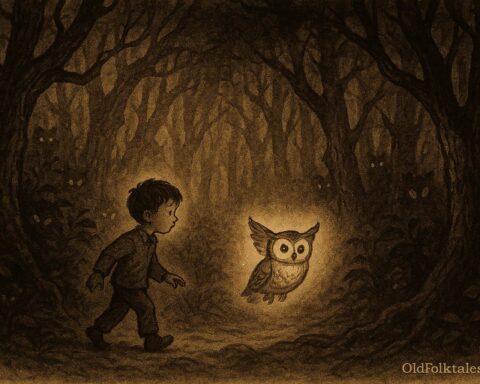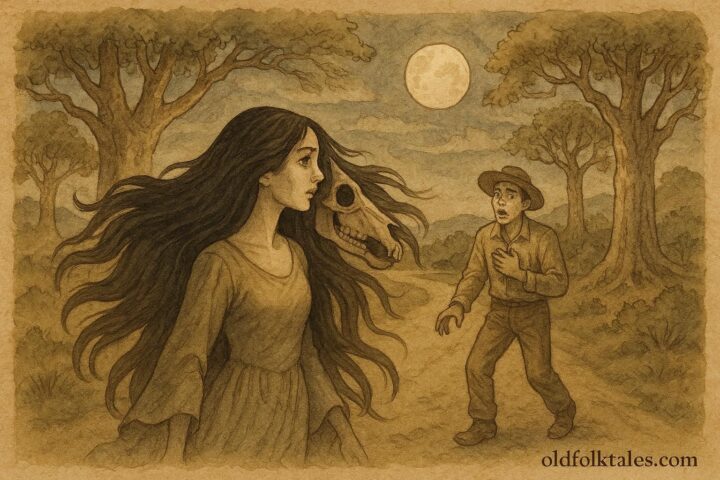
In the remote villages of colonial Mexico, nestled between forests and rugged mountains, there were whispers of the nahual, humans who could transform into animals, moving unseen through the night. These shapeshifters were often said to become jaguars, coyotes, or owls, creatures both feared and respected. Farmers spoke of them in cautious tones, artisans exchanged tales of encounters while closing shop at dusk, and children were warned never to stray far from home after dark. The nahual was more than a myth; he was a living embodiment of justice and moral consequence.
According to villagers, nahuales did not appear at random. They emerged in response to dishonesty, greed, or acts that threatened community harmony. A man who stole livestock, a merchant who cheated his neighbors, or a young boy who lied to his parents might find himself confronted by a supernatural being in the shape of a coyote, its eyes glinting in the moonlight, silent yet unnervingly aware. The shape was a mask, but the message was unmistakable: wrongdoing carries consequences.
Explore myths and legends from Brazil, Peru, and Argentina rooted in spirit and survival.
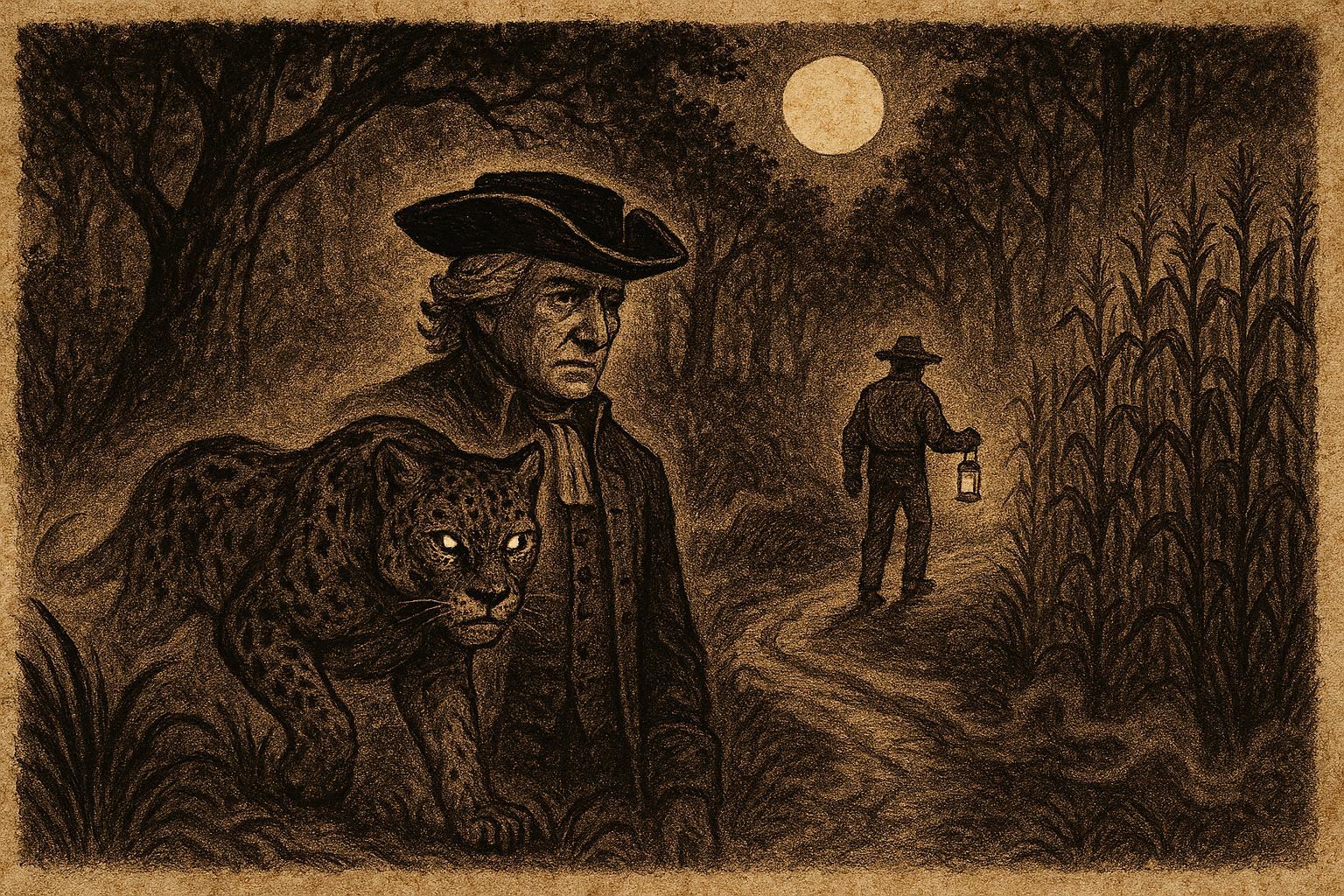
One night, an ambitious farmer named Miguel, known for his greed, decided to take more than his share of a neighbor’s cornfield while the village slept. He moved silently through the tall stalks, confident no one would notice. The wind whispered through the leaves, carrying with it an eerie sense of being watched. Suddenly, a jaguar appeared between the rows, black fur gleaming, muscles coiled, and eyes sharp as obsidian. Miguel froze, realizing too late that he had violated more than his neighbor’s property, he had crossed the boundaries of morality itself.
The jaguar circled him, silent yet threatening, and in a flash, transformed into a man, an elder with piercing eyes and a stern expression. It was the nahual, revealing its true form. Miguel trembled, recognizing the punishment he had brought upon himself. The nahual did not harm him physically, but he made Miguel witness visions of the suffering his greed caused, the ruined harvests, and the disheartened neighbors. When Miguel finally returned to his own home, he found the stolen corn mysteriously vanished, his conscience heavy, and a newfound understanding of justice taking root.
Stories of the nahual were told across generations, blending indigenous beliefs and Catholic moral teachings introduced during colonial times. Indigenous communities had long revered shapeshifters as guardians of balance, beings who could punish or guide humans depending on their actions. Spanish colonial influence layered this belief with Christian notions of moral accountability, emphasizing that sin—whether in thought or deed, would be revealed and corrected. Through these tales, the nahual became both a protector and a cautionary figure, ensuring that ethical behavior prevailed within the village.
Children grew up hearing about the jaguar on moonlit nights, the coyote at dusk, and the owl perched silently in the forest. Farmers, mindful of their conduct, paid their dues and respected neighbors’ property. Merchants measured honesty alongside profit. In every home, the legend of the nahual served as a moral compass, reminding all that deception and immorality invited exposure, retribution, and, ultimately, the guidance needed to live virtuously.
In some accounts, villagers would leave offerings at crossroads or whisper prayers to appease the nahual, merging Christian ritual with ancestral practice. The shapeshifter became a symbol of moral balance: he was feared but revered, a reminder that the unseen world mirrors human actions. Whether a person encountered him directly or simply heeded the tales, the effect was the same, reflection, humility, and respect for both community and ethical law.
El Nahual was more than a supernatural being; he was a story with teeth, teaching lessons across generations. His presence encouraged vigilance over one’s own behavior, urging men and women alike to consider the consequences of deceit, greed, and injustice. Every whispered story of a jaguar prowling near a village or a coyote darting across a moonlit field reminded villagers that morality was not optional, it was enforced, sometimes by invisible, sometimes by unmistakably real, hands.
Explore the land of La Llorona, trickster coyotes, and magical realism in Mexican folklore
Moral Lesson
Deception and immorality lead to exposure and retribution; ethical behavior sustains personal integrity and community harmony.
Knowledge Check
-
Who is the nahual?
A human who can shapeshift into animals such as jaguars or coyotes, enforcing moral justice. -
What moral lessons does the story convey?
Dishonesty and greed invite consequences; ethical behavior maintains community balance. -
Which cultural influences shaped the nahual legend?
Indigenous beliefs in shapeshifters combined with colonial Christian teachings on morality. -
What happens to those who commit wrongdoing?
They may encounter a nahual, face supernatural punishment, or gain insight into their misdeeds. -
Why was the nahual feared yet respected in villages?
He maintained justice, punishing wrongdoers without unnecessary harm while guiding others morally. -
What does the nahual symbolize in a broader sense?
The consequences of immorality and the necessity of living ethically for both individuals and communities.
Source: Colonial chronicles and indigenous oral tradition
Cultural Origin: Mexico (Colonial Mexican folklore)