During the Spanish colonial period in Mexico, in a town shaped by looms, markets, and strict social divisions, there lived a poor weaver whose days passed in quiet labor. His home was small, his tools worn smooth by years of use, and his clothing simple. From dawn until nightfall, he worked at his loom, weaving cloth not for luxury but for survival. Though his hands were skilled and his work honest, his earnings barely sustained him.
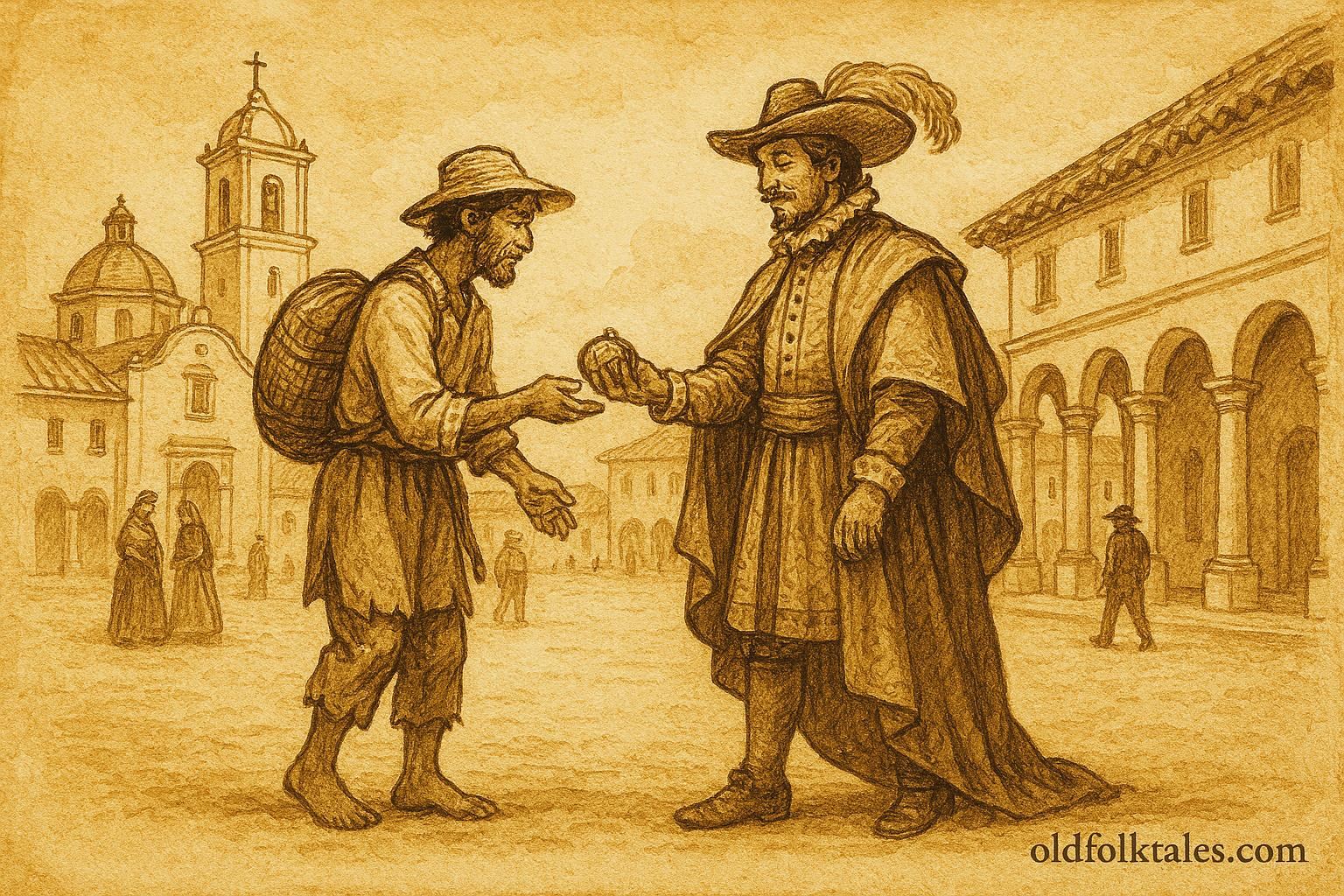
Not far from the weaver’s dwelling stood the house of a rich merchant. This man prospered through trade and commerce, his storerooms filled with goods brought from distant places. He dressed in fine fabrics and spoke often of his success. When he passed through the town, he did so with pride, measuring others by the weight of their possessions. The poor weaver, whom he frequently encountered, became an easy target for his scorn. The merchant belittled the weaver’s poverty, mocking his labor and dismissing him as insignificant.
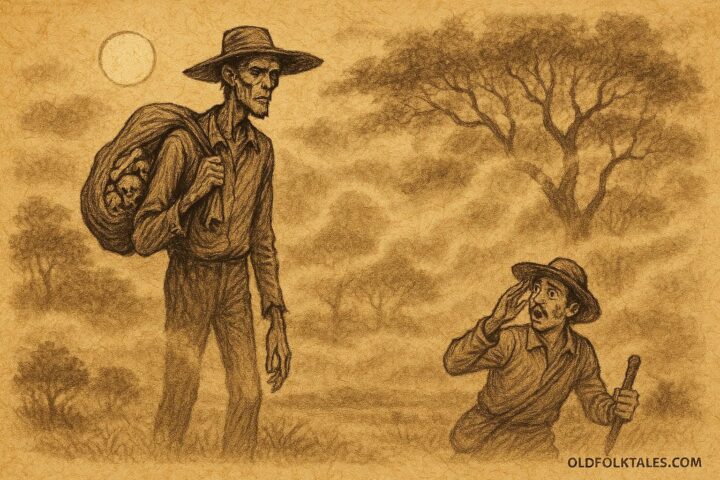
Discover the diverse storytelling traditions of Canada — from the icy North to the Maritimes
Despite this treatment, the weaver remained humble. He answered insults with silence and focused on his work, believing that dignity came not from wealth but from honest effort. His reputation among his neighbors was modest yet respectful. They knew him as a man who spoke little but worked faithfully.
One day, the merchant traveled through the town square, distracted by his own concerns and wealth. Amid the noise of bargaining voices and footsteps on stone, he lost a valuable item, an object that symbolized both his fortune and his status. Unaware of its absence, he continued on his way.
Later that day, the weaver discovered the lost item near his workspace. He immediately recognized it as belonging to the merchant. For a moment, temptation stirred within him. Such an object could have eased his hardships, fed him for months, or lifted him from poverty. No one had seen him find it, and no one would have questioned his possession of it.
Yet the weaver’s conscience weighed heavier than his hunger. He reflected on his values, shaped by faith, community teachings, and an inner sense of right and wrong. Wealth gained through dishonesty, he believed, would bring no peace. Carefully, he set aside his work and carried the item to the merchant’s house.
When the weaver returned the lost possession, the merchant was astonished. He had not expected such honesty from a man he had long dismissed. At first, suspicion crossed his face, but it quickly gave way to recognition. The merchant realized that the very person he had mocked had shown greater moral strength than he himself often displayed.
The merchant offered a reward, insisting that the weaver accept payment for his honesty. The weaver refused. He explained that returning what was not his was not an act deserving reward, but simply the right thing to do.
Moved by this response, the merchant felt a deep sense of humility. For the first time, he understood that wealth without integrity was empty. He thanked the weaver sincerely and treated him with newfound respect.
Word of the incident spread through the town. Neighbors spoke not of the merchant’s riches, but of the weaver’s character. The story traveled from household to household, reminding people that moral virtue outweighs material power.
From that day forward, the merchant no longer mocked the poor. He carried himself with greater humility, aware that honesty and justice were treasures no money could buy. And the weaver continued his work, unchanged in wealth but strengthened in dignity, his actions serving as a quiet lesson to all who heard his story.
Immerse yourself in Latin America’s stories of passion, transformation, and spirit.
Moral Lesson
This folktale teaches that honesty and humility are greater than wealth. True worth lies in moral integrity, and social justice begins with individual choices rooted in conscience and respect.
Knowledge Check
Q1: Who are the main characters in the story?
A: A poor weaver and a wealthy merchant in colonial Mexico.
Q2: What conflict drives the story?
A: The merchant’s pride and the weaver’s test of honesty.
Q3: What choice defines the weaver’s character?
A: Returning the merchant’s lost valuable item without seeking reward.
Q4: How does the merchant change?
A: He learns humility and recognizes integrity over wealth.
Q5: What does the weaver symbolize?
A: Moral virtue, honesty, and quiet dignity.
Q6: What cultural values does the tale reflect?
A: Christian ethics blended with Indigenous respect for honesty and community.
Source: Recorded in Mexican colonial moral folktale collections.
Cultural Origin: Mexico (Spanish Colonial folktale)