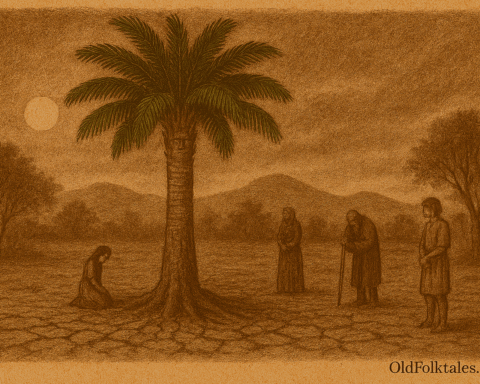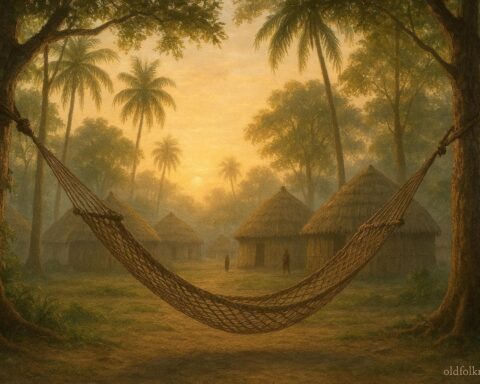
In the heart of a Caribbean village, where the sun painted golden streaks across lush fields and the wind carried the scent of the sea, stood a majestic silk-cotton tree. Its thick trunk stretched high, its sprawling branches like open arms, and its roots twisted deep into the earth. To the villagers, it was more than a tree; it was a living monument, believed to house spirits from the old world, remnants of ancestors who had crossed the ocean centuries before.
Generations whispered that the silk-cotton tree was sacred. Its presence marked boundaries of safety, its shade offered respite, and its leaves rustled with the wisdom of spirits. Elders cautioned against harming it, warning that disrespect could summon misfortune. But the lure of trade and the need for land blinded some villagers. One day, a group decided to cut it down to clear the field for crops. They ignored the whispers of elders, laughed at the old tales, and swung their axes with determination.
Explore the land of La Llorona, trickster coyotes, and magical realism in Mexican folklore
The first strike broke the morning silence, and the tree shuddered, though no wind stirred its branches. That night, an uneasy gloom fell over the village. Crops that had once thrived wilted inexplicably. Water from the nearby stream became murky, and animals, chickens, goats, even the family dog, vanished without a trace. Children grew listless, feverish, and wept in their sleep. Fear settled like a heavy blanket, and the villagers began to whisper among themselves.
Confused and desperate, the villagers sought the counsel of the village elder, Mama Isha, a woman whose eyes had witnessed decades of storms, harvests, and sacred rituals. She walked slowly beneath the skeletal remains of the fallen silk-cotton tree, her fingers brushing the bark as if listening to it.
“The spirits are angry,” she said finally, her voice low but resolute. “You have desecrated what is holy. The tree was not just wood, it is a vessel for the ancestors, a guardian of balance. To ignore this is to invite chaos.”
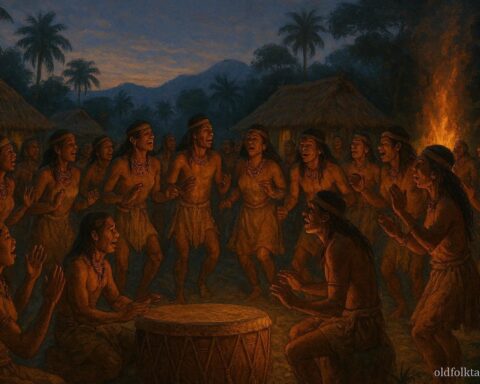
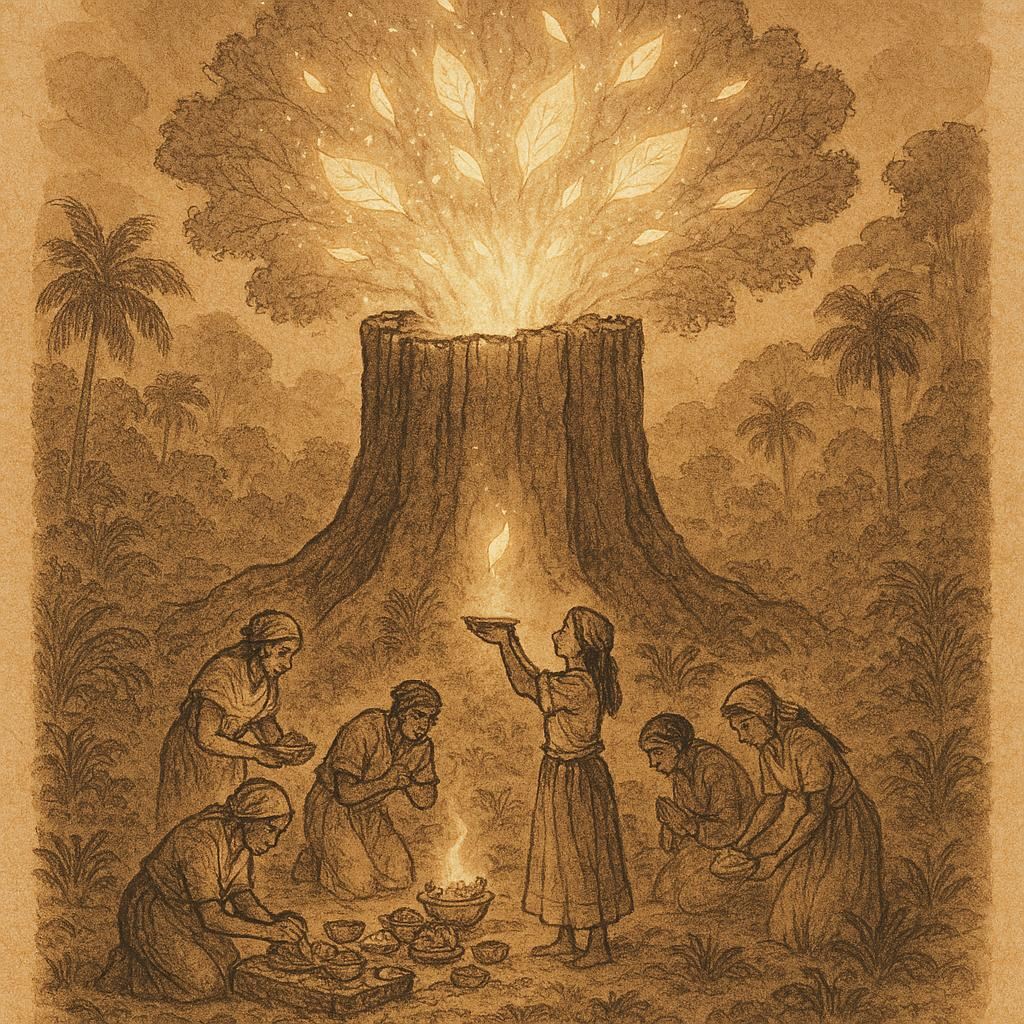
Understanding flickered in the villagers’ eyes. They remembered the warnings they had laughed at, the songs they had ignored, and the reverent gestures they had dismissed as superstition. Mama Isha instructed them to perform a series of rituals to appease the spirits. They gathered offerings: sweet fruits, freshly caught fish, and bowls of rice. Children brought colorful cloth and flowers from their homes. The villagers encircled the stump of the fallen tree, singing the old songs passed down through generations, chanting names of the spirits, and pouring libations onto the earth.
As the sun dipped low, golden rays illuminated the ceremony. The air grew still, the wind hushed, and for a long moment, the world seemed to hold its breath. Then, a gentle rustling arose from the roots and the remaining branches. Leaves shimmered faintly, as if touched by a hidden light. Animals began to return cautiously, stepping from the shadows. The crops, though wilted, seemed to regain life, stretching toward the fading sun. A sense of calm and balance returned to the village, carried on the wind like a whispered blessing.
The villagers learned a lasting lesson that day: sacred places, like the silk-cotton tree, are more than objects, they are living symbols of ancestry, balance, and respect. Disregarding them brought disruption; honoring them restored harmony.
Immerse yourself in Latin America’s stories of passion, transformation, and spirit.
Moral Lesson
Respect sacred nature and ancestral spaces. Desecration brings imbalance, while reverence and offerings restore harmony and protect communities.
Knowledge Check
1. What makes the silk-cotton tree sacred?
It houses ancestral spirits and symbolizes balance and protection for the village.
2. What misfortunes befell the villagers after cutting the tree?
Crops failed, children became ill, and animals disappeared.
3. Who explained the cause of the misfortunes?
Mama Isha, the wise village elder.
4. How did the villagers appease the spirits?
Through rituals: offerings of food, singing ancestral songs, and prayers.
5. What does the silk-cotton tree symbolize in Afro-Caribbean culture?
Respect for ancestors, the sanctity of nature, and community balance.
6. What lesson does this folktale convey?
Disrespecting sacred natural sites disrupts harmony; reverence and ritual restore it.
Source: Afro-Caribbean folktale
Tradition: West African tree reverence (Baobab, Iroko) preserved in Caribbean oral culture