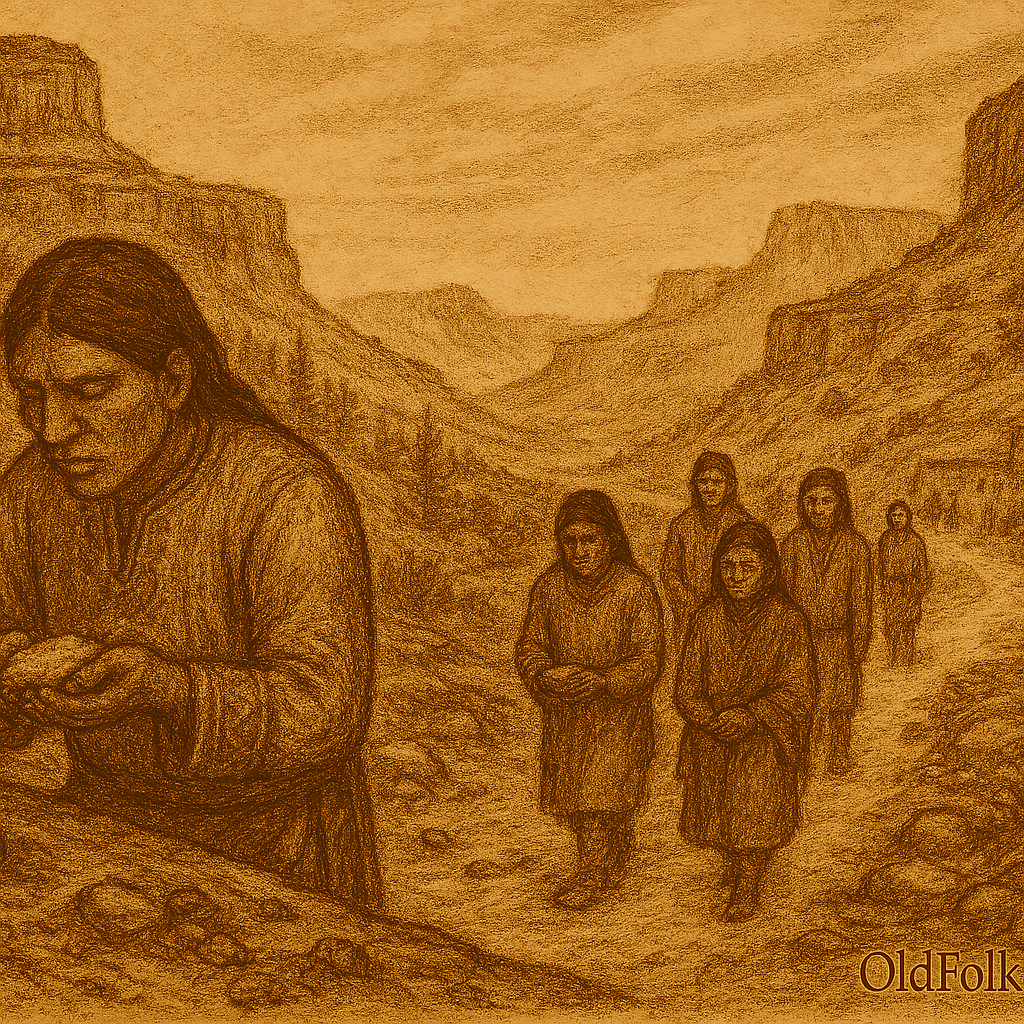
In the high desert country of western New Mexico, where the Zuni people have lived since time immemorial, the landscape is not simply terrain to be crossed but a living presence filled with sacred significance. Every mountain, spring, rock formation, and trail has meaning woven through generations of story, ceremony, and relationship. Among the most important of these sacred places are the pilgrimage routes ancient paths that connect the pueblo to shrines, springs, and ceremonial sites where prayers are offered, rituals performed, and the bonds between people and the land renewed.
One such path wound from Zuni Pueblo through a canyon and up into the mesas beyond, leading to a sacred spring where offerings had been made for countless generations. This was not a casual walking trail but a ceremonial route, traveled at specific times of year by those who had been prepared and given permission to make the journey. The path itself was understood to be sacred not just the destination but the journey, each step a prayer, each landmark along the way a point of connection with the ancestors who had walked this same route and with the spiritual forces that animated the land.
Click to read all Andean Highland Folktales — echoing from the mountain peaks of Peru, Bolivia, and Ecuador.
The Zuni understood that sacred spaces require proper conduct. When walking the pilgrimage path, one moved with intention and reverence. Offerings of cornmeal were left at certain points. Prayers were spoken. The journey was undertaken in a state of spiritual preparation, having fasted and purified oneself according to tradition. Most importantly, the path was treated with respect no loud or careless behavior, no deviation from the established route, no taking of objects or disturbance of the stones and plants that lined the way.
For generations, this understanding had been maintained. Those who made the pilgrimage did so properly, and the path remained clear and safe, the way forward always apparent even through areas where the terrain was challenging. It was said that the path itself helped those who traveled it with right intention that stones seemed to provide stable footing, that the way forward revealed itself even in areas where multiple routes appeared possible, that those who walked with proper spirit found the journey easier than the physical difficulty would suggest.
But gradually, over time, some people began to treat the sacred path more casually. Perhaps it began with those who were inadequately instructed, or with individuals who had grown up hearing the old teachings but never fully absorbed them, or simply with human carelessness that accumulates when vigilance relaxes. Instead of approaching the pilgrimage with proper preparation, some began to walk the path on impulse, without fasting or spiritual readiness. Instead of moving with reverence, they talked loudly, laughed carelessly, treated the journey as mere hiking rather than sacred practice.
Some began to deviate from the established route, taking shortcuts, they thought more efficient, or wandering off the path to examine interesting rock formations or collect stones they found attractive. When making offerings at the traditional points, some did so perfunctorily, going through motions without genuine intention. A few even began bringing outsiders people not initiated into the proper understanding along the path, treating it as a scenic route to show visitors rather than a sacred way requiring permission and preparation.
The elders noticed these changes and warned that such conduct endangered not just the individuals but the path itself. “Sacred spaces respond to human behavior,” they reminded people. “The path remains open to those who honor it properly. But when treated with disrespect, even a path can close itself.” Some dismissed these warnings as superstition. Others nodded but continued their careless ways, not believing that anything would actually change.
Then the path began to close. It happened gradually at first. Stones that had been stable for generations suddenly shifted underfoot, making passage treacherous. A section where the route had always been clear became ambiguous multiple ways forward presented themselves, and those who chose wrong found themselves in dangerous terrain or unable to proceed. Rockslides occurred in areas that had been safe for as long as anyone remembered, blocking portions of the path. In one canyon section, the way forward seemed to simply disappear where there had been a clear route up the canyon wall, now there appeared to be only impassable rock face.
Several people attempting the pilgrimage turned back, unable to complete the journey. A few persisted despite the obstacles and found themselves lost, requiring rescue. One man, who had been particularly careless in his treatment of the path, became disoriented in an area that should have been simple to navigate and spent a frightening night alone on the mesa before finding his way back.
The community became alarmed. The spring at the path’s end was an important ceremonial site, and the inability to reach it disrupted the ritual calendar and the practices that had been maintained for generations. The pueblo’s religious leaders gathered to discuss what should be done. They consulted with the eldest members of the community, those who held the deepest knowledge of the traditions and the nature of sacred geography.
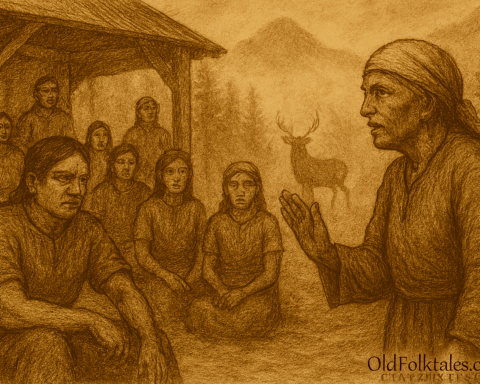
One ancient woman, a keeper of knowledge whose understanding reached back through stories told by her grandparents’ grandparents, spoke clearly about what had happened. “The path has not closed by accident or natural change,” she explained. “It has closed because we have broken relationship with it. A sacred path is not simply ground to walk on but a living connection, maintained through proper conduct and respect. When we treat it carelessly, we sever that relationship, and the path withdraws its cooperation. The obstacles you encounter are not punishment but natural consequence when relationship breaks, what was easy becomes difficult, what was clear becomes obscured.”
She continued: “To restore the path, we must restore right relationship. This requires more than simply promising to behave better. It requires genuine acknowledgment of how we have failed, proper offerings to ask forgiveness, and renewed commitment to treating sacred space as it should be treated.”
The community undertook a process of restoration. First, those who had been most careless in their treatment of the path came forward to acknowledge their failures not to be punished but to take responsibility for how their conduct had contributed to the breaking of relationship. These acknowledgments were made not as casual apologies but as formal confessions in ceremonial context, recognizing the seriousness of what had occurred.
Then, the religious leaders organized a ceremonial journey to the path. This was not an attempt to reach the spring but specifically to address the path itself. Participants prepared properly fasting, purifying themselves, approaching with the reverence that should have been maintained all along. They walked as far as the obstacles allowed, making offerings at traditional points and at the places where the way had become blocked or unclear. They spoke prayers asking forgiveness for the disrespect shown, acknowledging the path’s sacred nature, and committing to renewed proper conduct.
At each blocked or ambiguous section, they performed ceremonies leaving cornmeal, speaking to the stones and the land itself, asking for the relationship to be restored. These were not magical attempts to force the path open but humble requests for renewed cooperation, acknowledging that the land had every right to withdraw access when treated with disrespect.
The restoration did not happen instantly. But over the following weeks and months, those who walked the path with genuine reverence began to find it passable again. Stones that had been treacherous became stable. Routes that had been obscured revealed themselves. The rockslides remained, but ways around them became apparent. The canyon section that had seemed impassable showed its route again to those who approached with proper spirit.
Crucially, the community reestablished guidelines for who could walk the path and under what conditions. No longer would it be treated as a casual hiking route. Those who wished to make the pilgrimage would need to prepare properly, receive instruction in the correct conduct, and demonstrate understanding of the path’s sacred nature. Outsiders would not be brought along merely to see scenery. The journey would be restored to its proper character as ceremonial practice rather than recreational activity.
The path reopened fully, and pilgrimages resumed. But those who walked it now did so with renewed awareness that they moved through sacred space that required and deserved respect. The closing and reopening of the path had taught a lesson that no amount of verbal instruction could have conveyed as powerfully that sacred geography is genuinely responsive to human conduct, that relationship with the land is real and requires maintenance, and that when we treat sacred spaces carelessly, we risk losing access not through arbitrary punishment but through the natural consequence of broken relationship.
The story of the path that closed became a teaching tale, told to each new generation to convey these essential understandings. It reminded people that the sacred aspects of their world whether paths, springs, mountains, or ceremonial sites are not simply locations but living relationships that respond to how humans engage with them, and that maintaining these relationships through proper respect and conduct is not optional tradition but essential practice.
Click to read all South American Folktales — timeless stories from the Andes to the Amazon.
The Moral Lesson
This Zuni tale teaches that sacred spaces are not passive locations but living relationships that respond to human conduct and require ongoing respect and proper engagement. The path’s closing was not supernatural punishment but natural consequence when people broke relationship through careless behavior, the way forward became obscured and dangerous. The story reminds us that in indigenous worldviews, the land itself is conscious and responsive, and that access to sacred places is maintained through proper conduct rather than being an automatic right. The tale emphasizes that restoration after relationship has been broken requires genuine acknowledgment of failure, formal amends, and renewed commitment to respectful practice. More broadly, it teaches that what appears as mere tradition or unnecessary formality often maintains essential relationships, and that when we treat sacred things carelessly, we lose not just abstract spiritual connection but practical access and the benefits that proper relationship provides.
Knowledge Check
Q1: What is the significance of pilgrimage paths in Zuni Pueblo culture?
A1: In Zuni culture, pilgrimage paths are not simply walking trails but sacred ceremonial routes connecting the pueblo to shrines, springs, and ritual sites where prayers are offered and relationships with the land are renewed. These paths are understood to be sacred in themselves not just destinations but the journey itself, with each step being a prayer and each landmark a connection point with ancestors and spiritual forces. The paths require proper conduct, spiritual preparation through fasting and purification, and are traveled only at specific times by those with permission. They represent living relationships between people and sacred geography.
Q2: How did people begin to treat the sacred path disrespectfully?
A2: Disrespect accumulated gradually through multiple forms of carelessness: people began walking the path without proper spiritual preparation or fasting; they moved loudly and carelessly rather than with reverence; they deviated from the established route to take shortcuts or collect stones; they made offerings perfunctorily without genuine intention; and some brought uninitiated outsiders along, treating the sacred path as scenic hiking rather than ceremonial practice. This represented a shift from understanding the path as sacred space requiring permission and reverence to treating it as casual recreational terrain.
Q3: What happened when the sacred path began to close?
A3: The path’s closing manifested through increasingly dangerous and impassable conditions: stones that had been stable for generations suddenly shifted, making passage treacherous; previously clear routes became ambiguous with multiple confusing ways forward; rockslides blocked sections that had been safe for generations; and in some areas, the way forward seemed to simply disappear where clear routes had existed before. Several people attempting pilgrimage had to turn back, some became lost requiring rescue, and one man spent a frightening night alone after becoming disoriented in terrain that should have been simple to navigate.
Q4: How did the ancient woman explain why the path had closed?
A4: The keeper of knowledge explained that the path had not closed by accident or natural geological change but because people had broken relationship with it through disrespectful conduct. She taught that a sacred path is not simply ground to walk on but a living connection maintained through proper behavior and reverence. When treated carelessly, the relationship severs and the path withdraws its cooperation. The obstacles encountered were natural consequences of broken relationship when connection is damaged, what was easy becomes difficult and what was clear becomes obscured, not as punishment but as the inevitable result of severed relationship.
Q5: What was required to restore the sacred path and make it passable again?
A5: Restoration required multiple steps: first, those who had been careless acknowledged their failures formally in ceremonial context, taking genuine responsibility; then religious leaders organized a ceremonial journey where properly prepared participants walked the path making offerings at traditional points and blocked sections, speaking prayers asking forgiveness and committing to renewed respect; they performed ceremonies at each obstacle, leaving cornmeal and addressing the land directly, humbly requesting restored relationship. The community also reestablished strict guidelines about who could walk the path and under what conditions, ensuring future proper conduct.
Q6: What cultural values about sacred geography does this New Mexico story convey?
A6: The story embodies Zuni values emphasizing that sacred spaces are living relationships rather than passive locations, that the land itself is conscious and responsive to human conduct, and that access to sacred places must be earned and maintained through proper respect and behavior. It reflects Pueblo understanding that the physical landscape has spiritual dimensions requiring specific protocols, that what appears as tradition or formality actually maintains essential relationships with tangible consequences, and that restoration after broken relationship requires formal acknowledgment, genuine amends, and renewed commitment. The tale teaches that sacred geography responds to human behavior and that maintaining right relationship with the land is not optional custom but essential practice with real effects.
Source: Adapted from Zuni oral traditions documented in Pueblo cosmological narratives and ethnographic studies of Zuni religious practices and sacred geography.
Cultural Origin: Zuni Pueblo, Southwestern Highlands (New Mexico), United States