In a lush valley of the Yucatán Peninsula, where morning mist curled among flowering shrubs and the calls of howler monkeys echoed through the forest, there stood a majestic ceiba tree. Its massive trunk stretched skyward like a pillar connecting heaven and earth, while its broad branches cradled nests of birds and shelter for countless creatures. To the Maya, this tree was more than mere wood and leaves, it was a sacred axis mundi, linking the heavens, earth, and underworld.
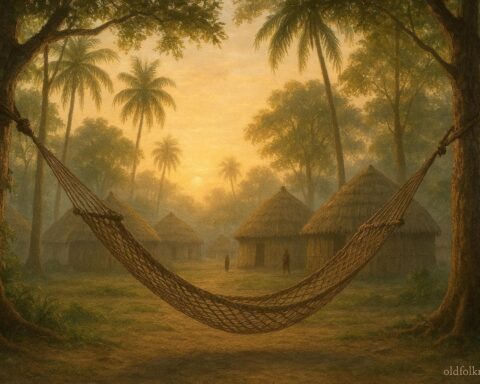
In a small village at the edge of the forest, people lived under the ceiba’s watchful shade. They harvested fruits, collected firewood, and rested in its cooling shadows. But as seasons passed, greed and carelessness took root. Villagers began cutting the ceiba’s branches for firewood, carving the bark for charms, and ignoring the rituals that honored its spirit. “It is only a tree,” they murmured among themselves, “let us take what we need.”
Journey through Central America’s heartlands and hear its stories of creation, courage, and nature.
The forest, however, did not forget. Crops began to fail; maize stalks withered before ripening, and wild animals disappeared from the surrounding woods. The village dogs barked at empty spaces, and the river ran lower than ever. Fear crept into every household, for the villagers realized that their disrespect had unbalanced the harmony of their home.
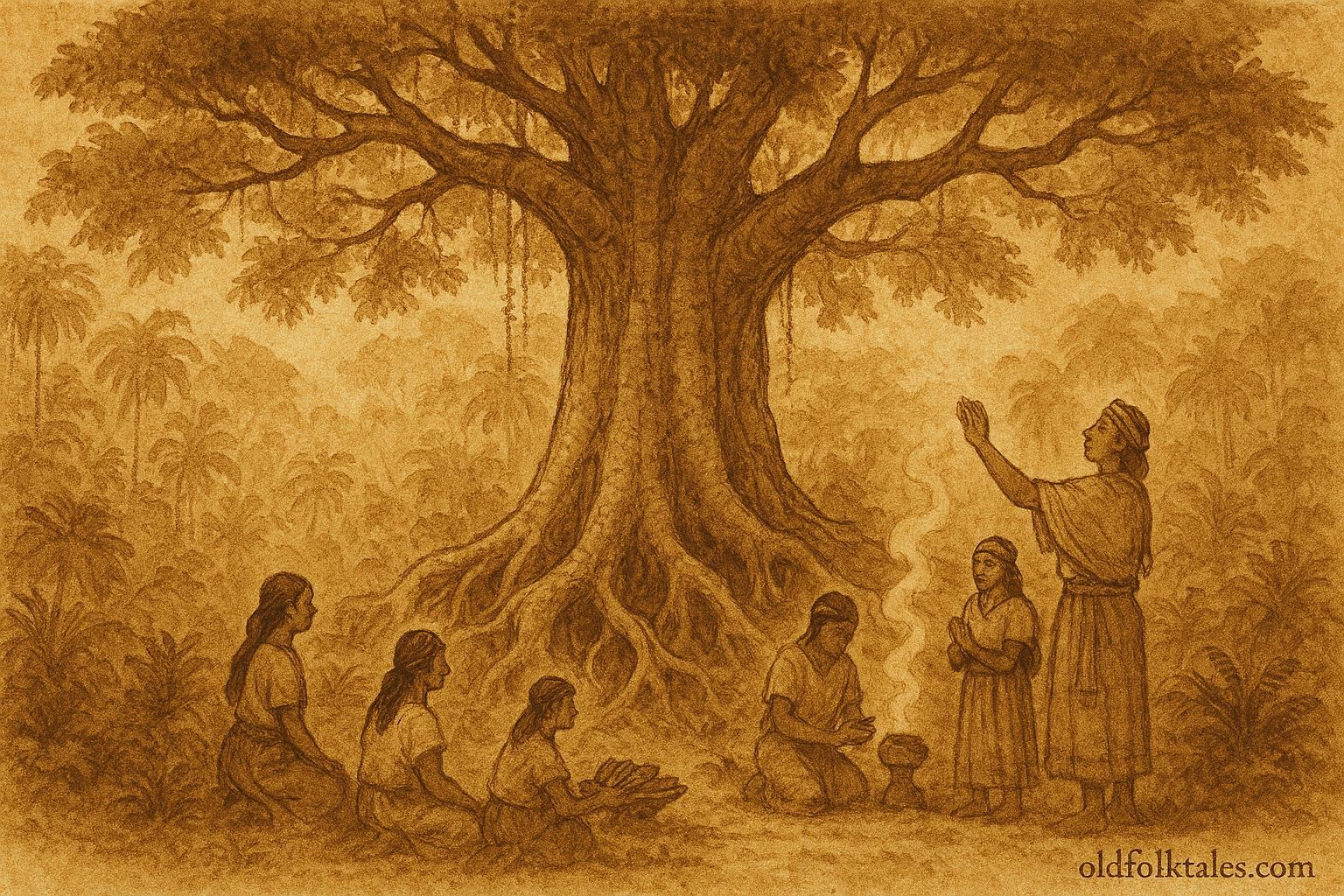
An elder, wise in the ways of the ancestors, called a council beneath the ceiba. “The tree is our protector,” he reminded them, “the bridge between worlds. We have brought this misfortune upon ourselves.” Understanding the truth in his words, the villagers set aside their tools of destruction. They repaired what they had harmed, performing ceremonies and offerings of maize, water, and incense. Children sang songs taught by their parents, praising the tree’s strength and wisdom, while the adults worked to restore its roots and canopy.
Slowly, life returned. Birds nested once more in the branches, the river swelled with rain, and maize grew tall and golden. The villagers learned to walk gently under the ceiba, respecting its space, and offering prayers for guidance and balance. From that day forward, they understood that the sacred tree was not only a protector of the forest but a teacher of communal responsibility, patience, and reverence.
For generations, parents recounted this tale beneath the ceiba’s shade, reminding children that their actions shaped the world around them. Through respect and care, humans, nature, and the divine remained in harmony, and the village flourished under the protective watch of the great ceiba.
Discover Mexico’s timeless tales blending Indigenous roots and Spanish tradition
Moral Lesson
This Mayan folktale teaches that respecting sacred natural spaces maintains community well-being and balance, and that harmony with nature ensures prosperity for all.
Knowledge Check
Q1: What is the ceiba tree’s significance in Mayan culture?
It is sacred, connecting heaven, earth, and the underworld.
Q2: Why did the village fall into misfortune?
Because they disrespected the ceiba by cutting branches and ignoring rituals.
Q3: How did the villagers restore harmony?
By repairing the tree and performing ceremonies and offerings.
Q4: What does the story teach about human interaction with nature?
That respect and care for natural and sacred spaces maintain balance and prosperity.
Q5: What role did the elder play in the story?
He guided the villagers to recognize their mistake and restore reverence for the ceiba.
Q6: How was this story used in Mayan society?
As a moral lesson for children about communal responsibility, respect, and spiritual awareness.
Source: Oral Mayan folklore; documented in Popol Vuh commentary
Cultural Origin: Mexico (Mayan folklore)