In the far northern reaches of Arctic Canada, winter ruled the land with quiet authority. Snow stretched endlessly across the tundra, shaped by wind into rolling drifts and sharp ridges. The sky often remained pale and distant, offering little warmth. Among the Inuit, survival in such a place was never considered a simple matter of strength or skill. It was believed that the land observed human behavior and responded accordingly.
Two hunters once set out across the frozen plain to seek caribou for their families. The first was Aputi, a man known for his patience and calm nature. He spoke softly, listened carefully, and treated every part of the land with respect. The second was Kallik, a strong and confident hunter whose many successes had filled him with pride. He believed survival belonged to those who were bold enough to take it.
At first, the journey went well. The snow was firm beneath their boots, and the wind was gentle. But as the sun lowered and the pale light faded, the air shifted. A distant roar carried across the tundra, and soon the wind strengthened. Snow began to fall heavily, blurring the horizon and erasing the trail behind them.
Immerse yourself in Latin America’s stories of passion, transformation, and spirit.
The hunters realized they would not reach camp before nightfall. In the Arctic, such a delay could be deadly. They needed to build snow shelters immediately.
Kallik acted first. He cut large blocks of snow quickly, stacking them with force rather than care. He laughed as the wind whipped around him, boasting that no storm could defeat a hunter as strong as he was. He struck the snow hard with his tools, speaking loudly as if daring the land to challenge him.
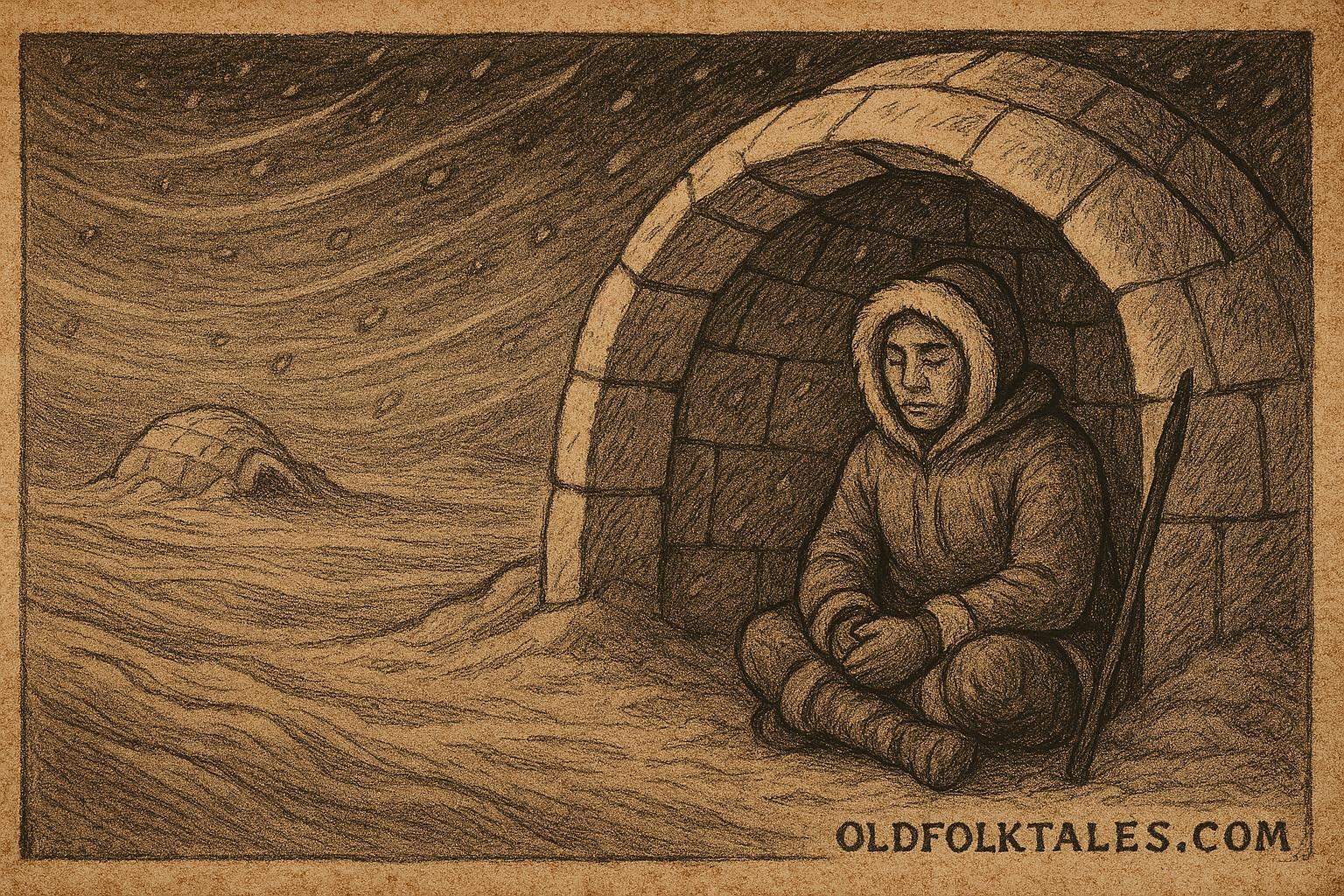
Aputi worked at a slower pace. He tested each snow block with his hands, feeling its strength and texture. He watched the wind closely and shaped his shelter so its curve faced away from the storm. Before placing the first block, he rested his palm against the snow and whispered words of gratitude, acknowledging the land’s power and protection.
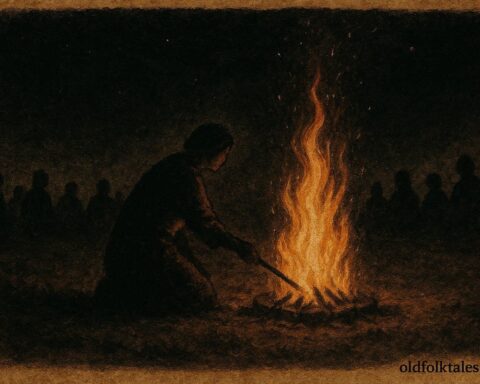
As darkness fell, the storm grew fierce. The wind howled across the tundra like a living thing. Snow piled rapidly, pressing against everything in its path. Kallik finished his shelter first and crawled inside, satisfied and confident. Aputi sealed his shelter carefully and sat quietly within, conserving warmth and energy.
Not long after, a sharp cracking sound echoed through the storm. Kallik’s shelter began to tremble. The walls shifted unevenly, weakened by poor alignment and haste. Suddenly, the structure collapsed inward. Snow rushed down, burying him in darkness and cold.
Kallik panicked. He struggled to breathe as freezing snow pressed against his chest and face. Desperate, he clawed his way free and stumbled out into the storm, shaken and terrified. The wind tore at his clothing, and his strength quickly faded. He shouted for help, but his voice was nearly swallowed by the storm.
Aputi heard the faint cry. Without hesitation, he opened his shelter and stepped into the wind. He guided Kallik inside and brushed the snow from his clothing. The shelter remained strong, unmoving, as the storm raged outside. Within its curved walls, there was stillness and warmth.
All night, the wind screamed across the tundra. Snow pressed against the shelter, but it did not shift. Kallik sat silently, listening to the steady breath of the shelter and the sound of snow settling gently against its walls. Shame replaced his pride. He realized that his strength alone had not saved him.
By morning, the storm passed. Pale light returned to the land, revealing a quiet, frozen world. Outside, Kallik saw the remains of his shelter scattered across the ice. Aputi’s shelter stood firm and whole, untouched by the storm’s fury.
Kallik lowered his head. He finally understood that survival was not taken by force or arrogance. The land responded to humility, patience, and respect. The snow had chosen whom it would protect.
From that day forward, Kallik changed. He listened more and spoke less. He learned to build with care and to thank the land for its gifts. Among the Inuit, the story was passed down as a reminder that nature watches, remembers, and responds.
Moral Lesson
True survival comes from humility and respect rather than pride and force. When people work patiently and listen to the land, they are protected. Arrogance weakens judgment and invites danger, while gratitude and balance create harmony. Nature does not reward those who challenge it, but those who honor its power.
Knowledge Check
- Why did Kallik’s snow shelter collapse?
Because it was built hastily, without care or respect for the land. - Why did Aputi’s shelter remain strong?
He built it thoughtfully, observing the wind and working with the snow. - What does the snow shelter symbolize?
Nature’s response to human behavior and intention. - What lesson does Kallik learn?
That humility is essential for survival. - How does the story reflect Inuit values?
It emphasizes balance, observation, and respect for nature. - Why is this story important in Arctic folklore?
It teaches ethical survival practices in extreme environments.
Source:
Adapted from Canadian Museum of History Inuit survival folklore collections.
Cultural Origin:
Inuit folklore, Arctic Canada.