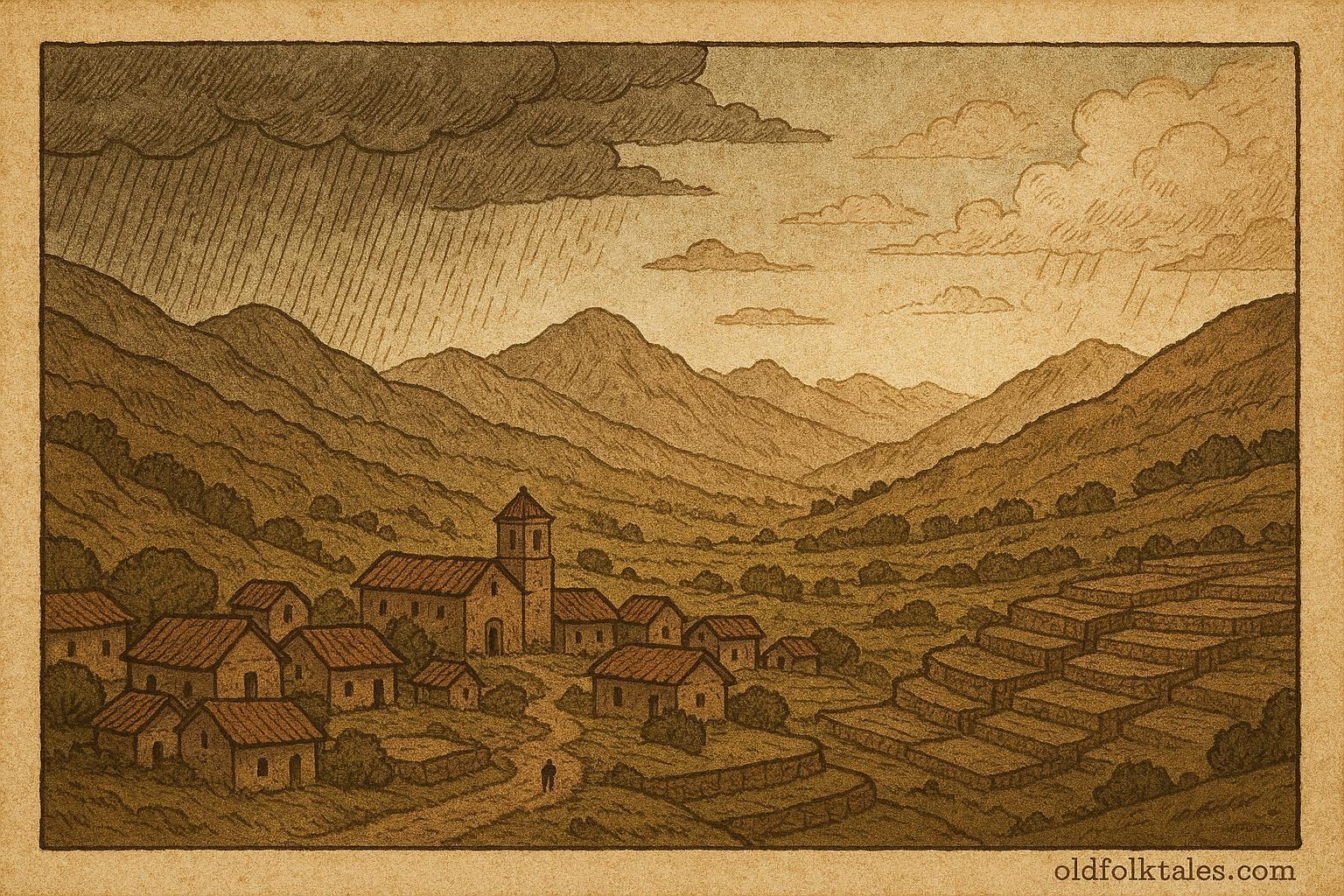
High on the Andean plateau, where the wind carried the voices of the mountains and the clouds moved low enough to touch, there once stood an Aymara village that depended entirely on rain. The people farmed quinoa and potatoes on narrow terraces carved into the earth generations before. Every planting season began with ceremonies honoring the ancestors, the spirits of the mountains, and the agreements made long ago between the living and the land.
These agreements were not written. They were remembered. Elders recited them aloud at gatherings, reminding the people that water was not owned but entrusted, and that harmony among neighbors mattered as much as devotion to the spirits. As long as the agreements were honored, the rains arrived when called.
Over time, however, memory weakened.
A new generation grew impatient with old rituals. Some villagers stopped attending seasonal ceremonies. Others began diverting shared water channels for private use. Arguments over land boundaries became common, and elders were dismissed as outdated. The agreements were not openly rejected, but quietly ignored.
Explore French-Canadian legends and First Nations myths in our Canadian Folktales collection
When planting season arrived, the villagers noticed something strange. Clouds gathered over the surrounding hills, dark and heavy, but passed over the settlement without releasing rain. Nearby valleys received steady showers. Streams filled. Crops beyond the village flourished. Yet above the village itself, the sky remained stubbornly clear.
At first, the people blamed chance.
They waited, confident the rain would come the next day, then the next. When the soil began to crack, they held a shortened ceremony, rushed and poorly attended. The rain still the village did not receive.
An elder woman named Mamani spoke during a council gathering. She reminded them that the rain listened not only to prayers but to conduct. “The sky remembers,” she said. “And it remembers what we have forgotten.”
Her words were met with silence.
As weeks passed, desperation replaced denial. Crops withered. Children were sent to fetch water from distant streams. The villagers performed louder rituals, offering more sacrifices, but the rain continued to fall everywhere except where it was most needed.
One night, a young shepherd named Tupa dreamed of walking through a storm. Rain soaked his clothes, but when he reached the village boundary, the rain stopped abruptly, as if blocked by an invisible wall. From the clouds, a voice spoke without anger. “We do not enter where agreements are broken.”
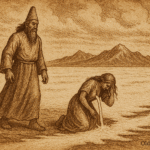
Tupa told the elders what he had seen. Mamani nodded. “The rain has not refused us,” she said. “We have refused the rain.”
The council finally agreed to listen.
They began by restoring what had been damaged. Shared water channels were reopened. Land disputes were resolved publicly. Those who had diverted resources returned them. The elders retold the ancestral agreements, not as commands, but as living promises meant to protect balance. Apologies were offered, not only to each other, but to the land itself.
On the final night of reconciliation, the villagers gathered in silence rather than song. They placed no demands on the sky. They simply acknowledged what they had failed to uphold.
As dawn broke, clouds settled low over the plateau. Rain began to fall softly, not in celebration, but in quiet acceptance. It soaked the earth evenly, filling the terraces and restoring the soil. The villagers did not cheer. They watched, understanding that the rain’s return was not a reward, but a response.
From that day forward, the village remembered that rain does not belong to those who ask the loudest, but to those who live in balance. The story was passed on so future generations would understand that the land observes, remembers, and responds to how people treat one another.
Discover ancient tales passed down by the Indigenous peoples of the Americas
Moral Lesson
Collective well-being depends on honoring shared responsibilities. When ancestral agreements are ignored, consequences affect everyone. Restoration begins not with demands, but with accountability, humility, and reconciliation.
Knowledge Check
1. Why did the rain avoid the village?
Because the villagers ignored ancestral agreements governing harmony, shared resources, and respect.
2. What role did the elders play in the story?
They preserved and recalled the ancestral agreements that maintained balance between people and nature.
3. How did the villagers initially respond to the drought?
They blamed chance and performed rushed rituals without addressing their broken relationships.
4. What message did the shepherd’s dream convey?
That rain responds to conduct, not desperation, and avoids places where agreements are broken.
5. What actions restored the rain?
Resolving conflicts, returning shared resources, honoring elders, and restoring communal responsibility.
6. What does the rain symbolize in this folktale?
Moral accountability and the land’s memory of human actions.
Source
Adapted from Andean oral law narratives; Universidad Mayor de San Andrés archives.
Cultural Origin
Aymara peoples, Bolivia.