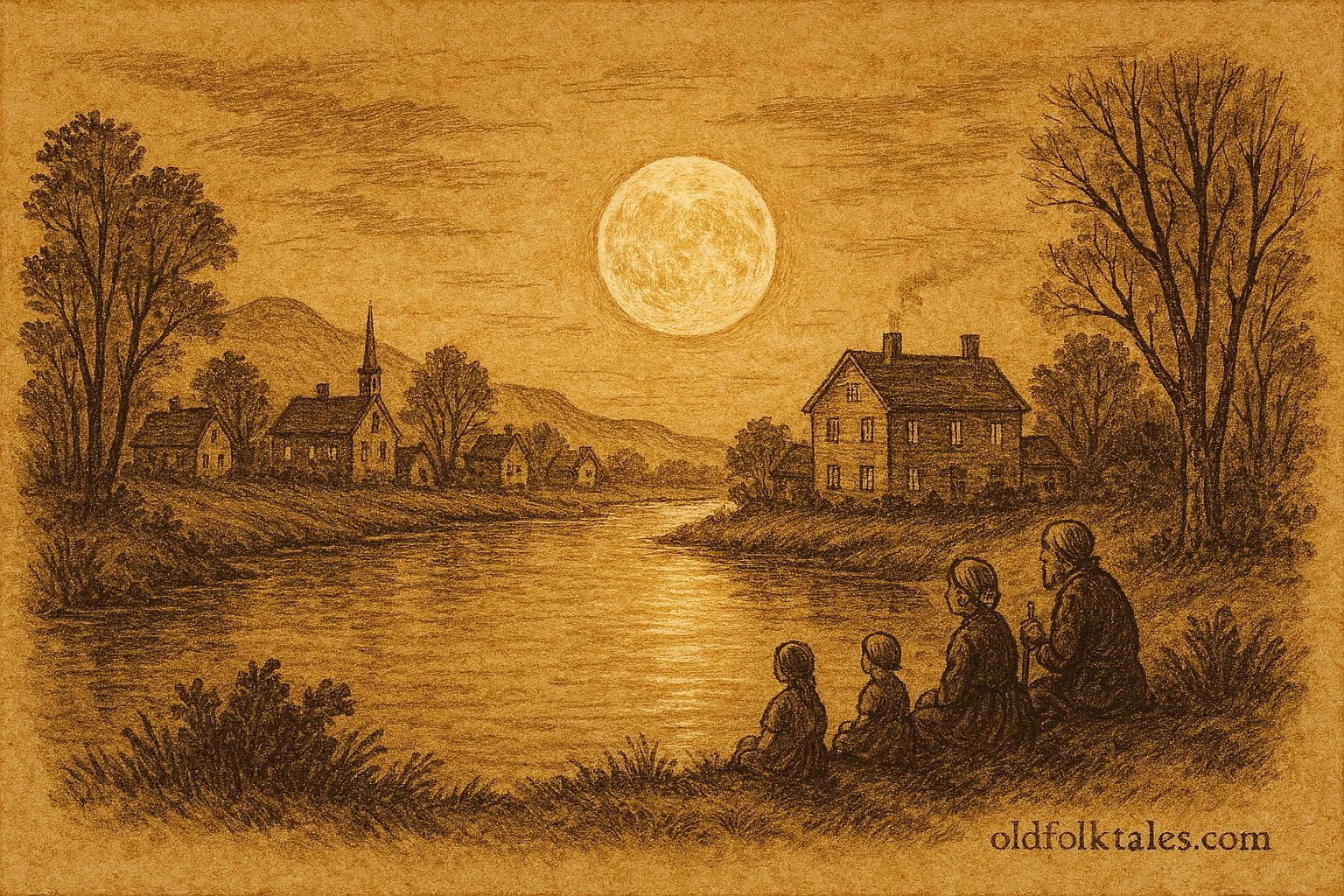
In the villages of colonial Mexico and Central America, where rivers served as lifelines for fields, homes, and souls alike, people believed that water was never empty. It listened. It remembered. And above it all, the moon watched.
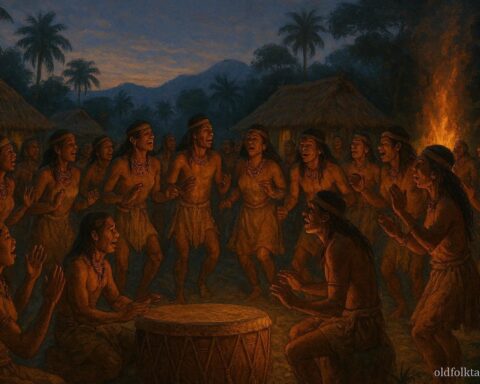
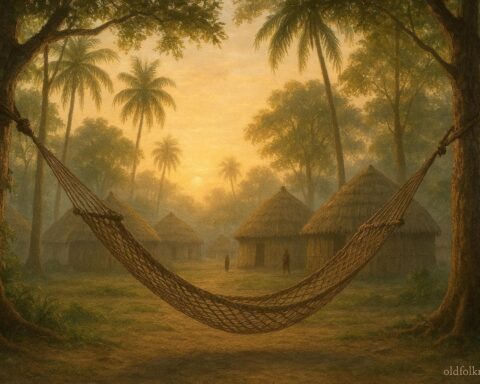
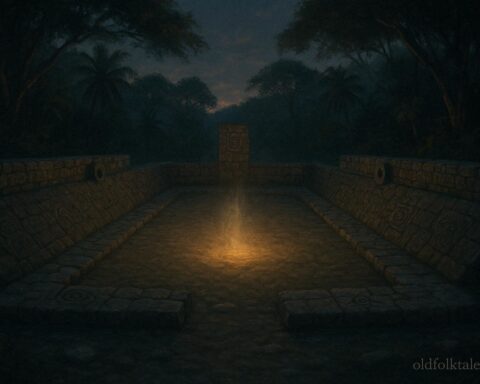
Each evening, as church bells faded into the hush of dusk and the sky deepened into silver-blue, villagers gathered near the riverbanks. Children were warned not to shout or throw stones, for the elders said the moon descended nightly to visit the river, drawn by its clarity and faithfulness.
Explore the land of La Llorona, trickster coyotes, and magical realism in Mexican folklore
When the moon rose full and bright, its reflection shimmered upon the water like a second sky. The elders told how, long ago, the moon had grown lonely in the heavens. Seeing the river flow patiently through forest and field, giving life without complaint, the moon asked permission to visit the earth each night.
The river agreed, but only if humans honored its purity.
So it was said that the moon descended silently, touching the river with light. Those who treated the water with care found their crops thriving and their families protected. But those who polluted the river, washing refuse, slaughtering animals carelessly, or mocking its sacredness—soon faced misfortune.
One year, a village grew careless. New settlers, dismissing old stories as superstition, ignored the elders’ warnings. Waste clouded the water. Fish vanished. Children fell ill.
One night, the moon did not appear.
Darkness pressed heavily upon the village. Without moonlight, the river seemed dull and lifeless. Crops failed. Fear spread. Parents gathered their children and listened once more to the elders, who reminded them that stewardship was not merely tradition, it was moral duty, taught by both ancestors and the Church.
The villagers repented. They cleansed the river, prayed, and vowed obedience to both divine and natural law. On the third night, the moon returned, brighter than before, and its reflection danced upon the restored water.
From that time on, children were taught that the moon still visits, watching how humans treat what sustains them. The river flows on, carrying both memory and mercy.
Immerse yourself in Latin America’s stories of passion, transformation, and spirit.
Moral Lesson
This folktale teaches that caring for nature is both a spiritual and moral responsibility. Respect, obedience, and stewardship ensure harmony between humanity, the divine, and the natural world.
Knowledge Check
1. What natural phenomenon does the story explain?
The reflection of the moon on rivers.
2. What does the moon symbolize in the tale?
Divine oversight, moral judgment, and spiritual presence.
3. Why does the moon punish the villagers?
Because they polluted and disrespected the river.
4. What cultural traditions influence the story?
Indigenous mythological imagery and Catholic moral teachings.
5. How were children taught through this folktale?
To protect water sources and respect natural cycles.
6. What is the central lesson of the story?
That stewardship and obedience preserve harmony and life.
Source: Colonial-era oral and written folklore
Cultural Origin: Mexico and Central America (Spanish Colonial folklore)