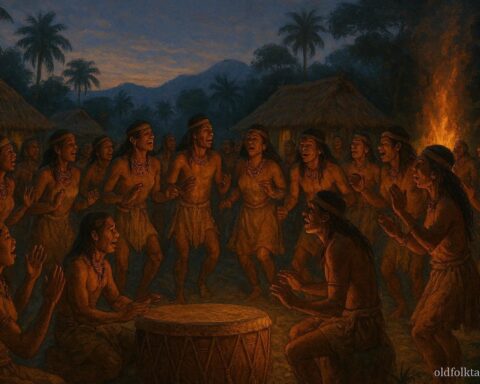
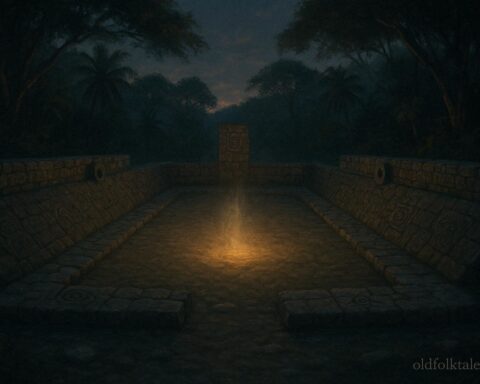
During the Spanish colonial era, a small village in Mexico and Central America endured a season of relentless drought. The earth cracked beneath the sun, crops withered in the fields, and rivers shrank into thin, dusty channels. Wells yielded little more than mud, and sickness spread as hunger weakened the people. Each day, villagers gathered in prayer, asking for relief from the suffering that weighed upon them all.
Amid this hardship, rumors began to circulate. Some claimed there was a hidden fountain deep within the surrounding hills, a spring whose waters could heal illness and restore the land itself. Elders whispered that the fountain had existed long before colonial rule, guarded by unseen forces tied to the earth. Others believed it to be a sign of divine grace, placed there to test the hearts of those who sought it.
Explore the ancestral legends of Canada, Mesoamerica, and South America’s Indigenous tribes.
Drawn by desperation, villagers began to search. Some traveled with hope and humility, offering prayers of gratitude even before finding the spring. Others came driven by greed, imagining wealth, power, or status gained through control of such a miracle.
Those who approached the search with arrogance found nothing. Paths twisted endlessly, and the hills seemed to resist them. But the poor, the sick, and the sincere, those who spoke softly and gave thanks for even small mercies, were quietly guided to the fountain. Hidden among stones and shaded by ancient trees, its waters flowed clear and cool.
Those who drank respectfully found relief. Illness faded, strength returned, and the land nearby slowly began to recover. The water was never taken in excess, nor was it claimed as property. It was shared, protected, and honored.
News of the fountain reached colonial authorities, who saw not healing, but opportunity. They attempted to claim the spring, planning to sell its waters for profit and control its use. Soldiers and officials approached without reverence, measuring and marking the land.
As soon as ownership was asserted, the fountain dried up. The water vanished as suddenly as it had appeared, leaving only stone and silence behind. The miracle could not be claimed, sold, or ruled.
The villagers understood the lesson clearly. Sacred gifts exist to be shared, not owned. When humility was replaced by greed, grace withdrew. The land slowly healed again through balance, respect, and communal care, and the story of the Miraculous Fountain endured as a warning and a blessing.
Immerse yourself in Latin America’s stories of passion, transformation, and spirit.
Moral Lesson
This folktale teaches that sacred gifts are sustained by humility and gratitude. When greed replaces stewardship, even miracles withdraw, reminding communities to honor balance and shared responsibility.
Knowledge Check
Q1: What hardship affects the village?
A: A severe drought causing hunger and illness.
Q2: What is special about the fountain?
A: Its waters heal people and restore land.
Q3: Who can find the fountain?
A: Those who approach with humility and gratitude.
Q4: Why does the fountain disappear?
A: Colonial authorities attempt to claim it for profit.
Q5: What does the fountain symbolize?
A: Divine grace and sacred natural balance.
Q6: What cultural beliefs does the tale reflect?
A: Catholic ideas of grace blended with Indigenous reverence for nature.
Source: Spanish colonial oral tradition; Andean and Mesoamerican variants
Cultural Origin: Mexico and Central America (Spanish Colonial folklore)