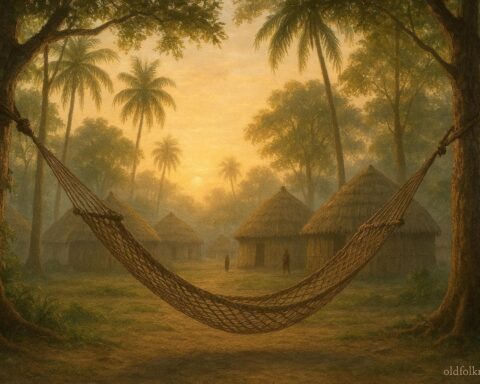
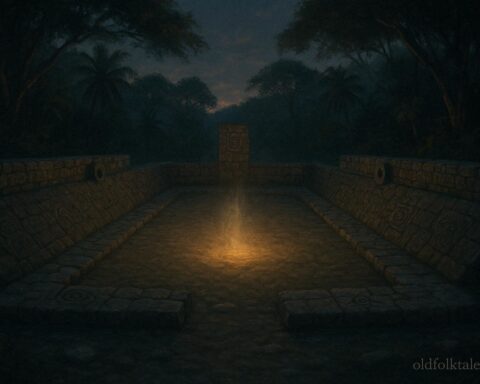
In the earliest days, before memory stretched far back, fire lived openly among the people of the forest. It was not hidden in hearths or guarded carefully as it would be later. Fire moved freely, glowing in village centers, warming sleeping places, and licking gently at cooking stones. It was treated not as a thing to be owned, but as a presence that chose to stay.
Fire gave warmth on cold nights and cooked food so bodies could grow strong. Its light kept dangerous animals at a distance and allowed stories to be told after sunset. Elders spoke to it softly, and children were taught to watch its movement and respect its hunger.
Journey through Central America’s heartlands and hear its stories of creation, courage, and nature.
But as seasons passed and villages grew comfortable, people began to forget.
Wood was gathered carelessly and burned wastefully. Flames were left unattended, licking too high and scorching the earth. Fire was no longer greeted or thanked. It was commanded, kicked, and overfed. When sparks leapt beyond control, people blamed fire rather than their own neglect.
Fire noticed.
It felt the waste, the thoughtlessness, the lack of gratitude. What had once been an exchange, care for warmth, respect for sustenance—became a taking without return. Slowly, Fire drew inward, growing quieter, more distant.
Then one night, without warning, Fire gathered itself.
At dawn, villagers woke to cold ashes. Hearths were dark. Smoke no longer rose into the air. Fire had lifted itself from the village and walked into the forest, its glow disappearing among the trees.
Panic spread quickly. Without fire, food could not be cooked. Nights became dangerous and cold. People searched desperately, calling out, but the forest remained silent.
Elders finally understood. They remembered the old teachings and gathered the people together. They prepared rituals of apology, offering careful words and measured actions. They promised to tend fire with restraint, to feed it only what was needed, and to remember that it was alive.
Deep in the forest, Fire listened.
Slowly, it returned, smaller, calmer, but present once more. From that day forward, fire was never treated as a simple tool again. It was watched, thanked, and honored.
And so people learned that gifts do not remain where they are abused.
Discover South America’s folktales filled with magic, transformation, and ancestral wisdom
Moral Lesson
This folktale teaches that gratitude and stewardship are necessary to preserve the gifts that sustain life. When respect is lost, even essential forces may withdraw.
Knowledge Check
1. How did fire originally live among the people?
It lived freely, warming homes and cooking food.
2. What caused fire to become angry?
People wasted wood and treated fire carelessly.
3. What happened when fire left the village?
People were left cold, hungry, and unable to cook.
4. How did the people bring fire back?
Through rituals of apology and promises of respect.
5. What change did fire’s return bring?
Fire was treated as a living force, not a tool.
6. What lesson does fire represent?
That essential gifts require care and gratitude.
Source: Indigenous elemental folklore; recorded in Central Amazon storytelling traditions
Cultural Origin: Amazon Basin (Indigenous folklore)