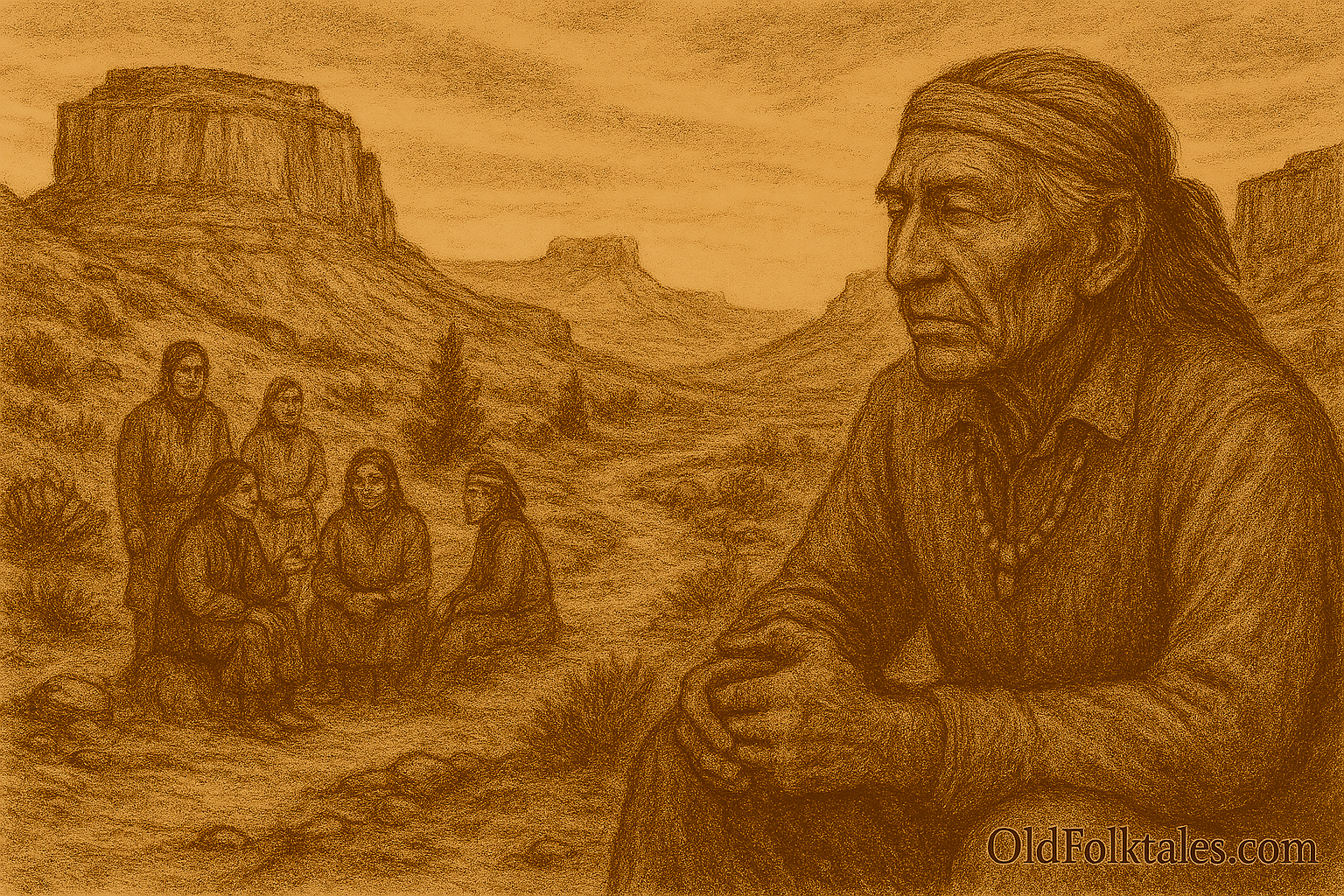
In the vast high desert country of the Navajo Nation, where red sandstone mesas rise against endless sky and the land stretches in every direction painted in shades of ochre, rust, and gold, the Diné people have long understood life as a continuous effort to maintain hózhó, a concept encompassing beauty, balance, harmony, and right relationship with all things. This is not a passive state but an active practice, requiring constant attention, adjustment, and wisdom to know how to respond to the ever-changing circumstances of life.
Central to maintaining hózhó is understanding the proper use of speech. Words in Diné philosophy carry tremendous power they can create or destroy, heal or harm, bring people together or drive them apart. The traditional teachings emphasize careful, thoughtful speech, warning against hasty words spoken in anger or careless talk that might disturb balance. Silence, too, is valued knowing when not to speak, when to hold back words that might do more harm than good, when to let others find their own way without interference.
Click to read all Andean Highland Folktales — echoing from the mountain peaks of Peru, Bolivia, and Ecuador.
In one community in the Navajo highlands, there lived an elder named Hastiin, a man of perhaps seventy years whose life had been long enough to accumulate genuine wisdom. He had seen much, experienced joy and loss, navigated countless conflicts and challenges, and earned the respect of his community through decades of good judgment and measured conduct. People sought his counsel on difficult matters, knowing that when Hastiin spoke, his words came from deep consideration and understanding.
Hastiin had learned through the years that words, once spoken, cannot be taken back. He had witnessed how careless speech created lasting damage, how hasty advice led people astray, how even well-intentioned words sometimes produced unintended harm. And so he had developed the habit of speaking sparingly, of weighing his words carefully, of often choosing silence over speech when he was uncertain whether his contribution would truly help.
This careful restraint had served him well in many situations. His silence had prevented him from speaking in anger during heated moments when cooler reflection later showed the wisdom of restraint. His refusal to offer quick opinions had avoided leading people down wrong paths with insufficient understanding of their situations. His practice of thoughtful pause before responding had allowed space for others to work through their own thinking rather than becoming dependent on his guidance.
But gradually, almost imperceptibly, Hastiin’s practice of careful silence began to shift into something else. What had started as wisdom knowing when words might do harm became a habit of withholding even when words were needed. He grew increasingly reluctant to speak at all, even in situations where his knowledge and experience could have provided valuable guidance. When community disputes arose and people looked to him for perspective, he would remain silent, telling himself that they needed to find their own solutions, that his interference might make things worse, that words were too dangerous to offer.
A conflict arose between two families over grazing rights in an area where boundaries had always been somewhat ambiguous. Both families had reasonable claims based on different interpretations of traditional use patterns. The dispute grew heated, with accusations of disrespect and attempts to exclude the other family from land they believed was rightfully theirs. Relatives took sides, and what had begun as a disagreement between two families spread to involve wider portions of the community.
Several times, community members approached Hastiin, knowing that his long memory and understanding of traditional land use patterns could help clarify the situation. He had knowledge that neither disputing family possessed he remembered conversations with elders from decades past, understood how similar disputes had been resolved, and could see solutions that would honor both families’ legitimate claims while restoring hózhó.
But Hastiin remained silent. When asked directly for his perspective, he would demur, saying that he did not wish to interfere, that the families needed to work things out themselves, that his speaking might only complicate matters further. People accepted this at first, respecting his wisdom and assuming he had good reasons for his restraint. But as the conflict continued to escalate, some began to wonder whether silence was truly the wisest response.
The dispute grew more bitter. One family built fences in contested areas. The other family tore them down. Harsh words were exchanged at community gatherings. Children from the two families, who had once played together, were kept apart by their parents. The poison of the conflict began affecting other aspects of community life cooperation on shared projects suffered, ceremonial participation became awkward and tense, the general atmosphere of the community shifted from harmony to discord.
An older woman named Asdzą́ą́, respected in her own right for her knowledge of traditional teachings, finally approached Hastiin privately. They sat together in the late afternoon as shadows lengthened across the desert, and she spoke to him with the directness that their long friendship allowed.
“Grandfather,” she said, using the term of respect though they were similar in age, “I have watched you choose silence through this conflict. I know you have always been careful with words, and this has been wisdom. But I wonder if your silence now serves hózhó or disturbs it.”
Hastiin felt defensive. “Words have power to harm. I have seen careless speech make conflicts worse. Better to stay silent than risk adding fuel to fire.”
Asdzą́ą́ smiled sadly. “Yes, careless speech makes conflicts worse. But so does withholding wisdom when it is needed. You know things that could help resolve this dispute. You remember what the old ones said about these boundaries. You understand how similar problems were addressed in the past. By keeping silent, you are not staying neutral you are allowing harm to continue that you could help prevent.”
She continued: “Hózhó is not maintained only by avoiding harm. It also requires active effort to restore balance when it has been disturbed. Sometimes maintaining harmony means speaking difficult truths, offering perspectives that others cannot see, using knowledge to guide toward resolution. Silence can be wisdom, yes but it can also be a failure to fulfill responsibility.”
Her words struck Hastiin deeply. He had been so focused on the dangers of speech that he had failed to consider the dangers of silence. He had become paralyzed by fear of doing harm through words, unable to see that withholding needed wisdom was itself a form of harm. The conflict that had grown unchecked, the families driven apart, the community’s disturbed harmony his silence had not prevented these things but had allowed them to develop and worsen.
He realized that he had confused wisdom with mere caution, had mistaken withdrawal for neutrality. True wisdom, he understood now, required discernment about when to speak and when to stay silent not a blanket policy of silence out of fear, but skillful judgment about what each situation required. And this situation clearly required his knowledge and perspective, had required it for some time, and his refusal to offer it had been a failure of responsibility disguised as prudence.
The next morning, Hastiin requested that the community gather. When people assembled, curious about what had prompted him to finally speak, he acknowledged that he had been silent too long. He then shared what he knew about the disputed grazing areas the conversations with now-deceased elders about traditional use patterns, the precedents from similar disputes in the past, the ways that ambiguous boundaries had historically been managed to allow shared use while respecting both families’ needs.
His words did not magically resolve everything the families were still hurt and angry, trust had been damaged, repairs would take time. But Hastiin’s knowledge provided a framework for resolution that had been missing. He proposed a solution based on traditional practices that neither family had known about, a pattern of seasonal sharing that honored both claims and had worked successfully in the past. The community could see the wisdom in this approach, and gradually, with continued mediation and healing work, the conflict began to de-escalate.
More importantly, Hastiin had learned a crucial lesson that he then taught to others, especially younger people who were learning about maintaining hózhó. “I believed that careful silence was always wisdom,” he explained. “I had learned rightly that careless speech can harm. But I learned wrongly that therefore all silence was safe and wise. In truth, knowing when to speak is as important as knowing when to stay silent. Sometimes maintaining balance requires offering what we know, even when it feels risky, even when we fear our words might be imperfect. Hózhó is not achieved through perfect non-action but through skillful action including skillful speech at appropriate times.”
He taught that the question should not be “Is it safer to stay silent?” but “What does this situation require?” Sometimes it requires silence holding space, not interfering, allowing others to find their own way. But sometimes it requires speech offering knowledge, providing perspective, actively working to restore balance that has been disturbed. Wisdom lies in discerning which response each situation calls for, not in defaulting always to one or the other.
This teaching became part of how the community understood hózhó not as a static state to be preserved through caution and non-interference, but as a dynamic balance requiring active, skillful engagement with life’s challenges, including the judicious use of speech when circumstances demand it.
Click to read all South American Folktales — timeless stories from the Andes to the Amazon.
The Moral Lesson
This Diné tale teaches that wisdom requires discernment about when to speak and when to remain silent, not a blanket policy of always choosing one over the other. Hastiin’s error was confusing caution with wisdom his legitimate understanding that careless speech causes harm had evolved into a paralyzing fear of speaking at all, causing him to withhold needed knowledge and perspective even when the situation clearly required his input. The story reminds us that maintaining harmony and balance (hózhó) is not achieved through mere avoidance of potential harm but through skillful engagement with circumstances as they arise. Sometimes silence serves balance; sometimes it disturbs it. True wisdom lies in the ability to judge what each situation requires and to act accordingly, understanding that withholding help when it is needed is itself a form of harm, regardless of how prudent it might feel. The tale emphasizes that responsibility sometimes requires taking the risk of imperfect speech rather than the false safety of perpetual silence.
Knowledge Check
Q1: What is hózhó in Navajo (Diné) philosophy and why is it important?
A1: Hózhó is a central Diné concept encompassing beauty, balance, harmony, and right relationship with all things. It is not a passive state but an active practice requiring constant attention, adjustment, and wisdom to maintain. In Diné philosophy, life is understood as a continuous effort to maintain hózhó through proper conduct, thought, and speech. This includes understanding the power of words which can create or destroy, heal or harm and knowing when to speak and when to remain silent. Maintaining hózhó is essential to individual wellbeing, community harmony, and proper relationship with the larger world.
Q2: Why did Hastiin initially develop the habit of speaking sparingly?
A2: Through his long life, Hastiin had learned that words carry tremendous power and once spoken cannot be taken back. He had witnessed how careless speech created lasting damage, how hasty advice led people astray, and how even well-intentioned words sometimes produced unintended harm. His careful restraint had served him well his silence prevented him from speaking in anger, his refusal to offer quick opinions avoided leading people down wrong paths, and his thoughtful pauses allowed others to work through their own thinking. This practice of weighing words carefully before speaking was initially genuine wisdom.
Q3: How did Hastiin’s practice of silence become problematic?
A3: What began as wisdom about when words might do harm gradually shifted into habitual withholding of speech even when words were needed. Hastiin grew increasingly reluctant to speak at all, telling himself that interference might make things worse and that words were too dangerous to offer. When a serious community conflict arose over grazing rights a dispute he had specific knowledge and perspective to help resolve he remained silent despite repeated requests for his guidance, claiming the families needed to work things out themselves. His silence allowed the conflict to escalate unchecked, damaging families and disturbing community harmony.
Q4: What consequences resulted from Hastiin’s continued silence during the dispute?
A4: The conflict between the two families grew increasingly bitter without the guidance Hastiin could have provided. Fences were built in contested areas and torn down, harsh words were exchanged at gatherings, children who had once played together were kept apart, and the poison of the dispute spread to affect broader community life. Cooperation on shared projects suffered, ceremonial participation became tense and awkward, and the general atmosphere shifted from harmony to discord. The community’s hózhó was seriously disturbed a harm that Hastiin’s knowledge could have helped prevent but which his silence allowed to continue and worsen.
Q5: What wisdom did Asdzą́ą́ share with Hastiin about silence and speech?
A5: Asdzą́ą́ taught that while careless speech makes conflicts worse, so does withholding wisdom when it is needed. She explained that hózhó is maintained not only by avoiding harm but also through active effort to restore balance when disturbed. Sometimes maintaining harmony requires speaking difficult truths, offering perspectives others cannot see, and using knowledge to guide toward resolution. She emphasized that silence can be wisdom but can also represent failure to fulfill responsibility, and that by withholding needed knowledge, Hastiin was not staying neutral but allowing preventable harm to continue.
Q6: What cultural values about speech, silence, and responsibility does this Navajo story convey?
A6: The story embodies Diné values emphasizing that maintaining hózhó requires skillful discernment about when to speak and when to remain silent, not rigid adherence to either extreme. It teaches that words carry power and must be used carefully, but also that withholding needed wisdom is itself harmful. The tale reflects the understanding that responsibility sometimes requires taking risks offering imperfect but needed guidance rather than the false safety of perpetual silence. It conveys that true wisdom lies in reading situations skillfully and responding appropriately, that maintaining balance requires active engagement rather than mere caution, and that elders have obligations to share knowledge when circumstances demand it, even when doing so feels uncomfortable or risky.
Source: Adapted from Diné oral teachings on hózhó and proper conduct recorded in ethnographic studies of Navajo philosophy and traditional knowledge systems.
Cultural Origin: Navajo (Diné) people, Navajo Nation Highlands (Arizona, New Mexico, Utah), United States