In the days of Spanish rule, when Puebla’s tiled churches gleamed beneath the sun and the sound of bells ordered daily life, there lived a man whose wealth already set him apart from his neighbors. His home stood tall near the plaza, his storerooms were full, and his name was spoken with a mix of admiration and unease. Yet no matter how much silver he counted or land he acquired, his hunger for more never faded.
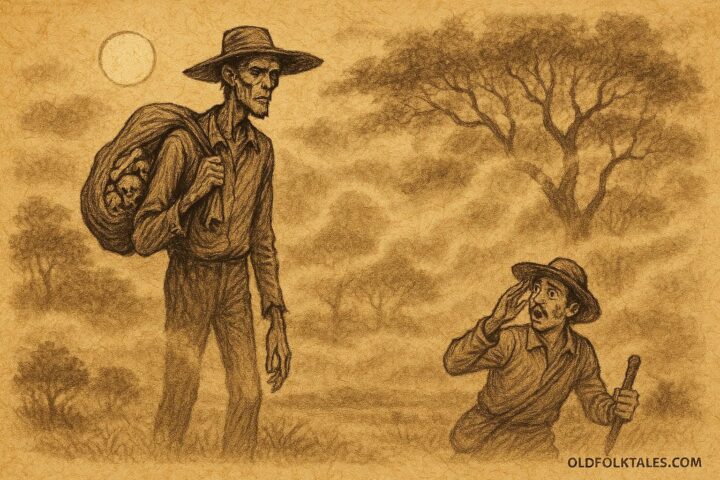
Each night, as candles burned low, he worried not about charity or gratitude, but about how others might surpass him. He feared loss as much as he desired gain. It was during one such restless night that a stranger appeared, well dressed, calm, and unsettlingly confident. The man did not announce himself, yet his presence carried an unmistakable weight.
Discover ancient tales passed down by the Indigenous peoples of the Americas.
The stranger offered a bargain. Greater prosperity, endless opportunity, and protection from ruin would be granted. In return, when the appointed time came, the man’s soul would be claimed. Though fear stirred in his chest, ambition spoke louder. He agreed, sealing the pact with words spoken in secret, away from church and conscience.
At first, the promise seemed true. Business flourished beyond expectation. Ships arrived on time, harvests doubled, and rivals fell into misfortune. The man’s name spread throughout Puebla, and his wealth grew so quickly that even officials took notice.
But with prosperity came change. He grew suspicious of servants, harsh toward debtors, and cruel in his dealings. Laughter left his house, replaced by arguments and commands. Though he attended Mass, his prayers rang hollow, for his thoughts remained fixed on profit and power.
As years passed, unease followed him like a shadow. Every knock at the door stirred dread. Each bell toll seemed a reminder. When the stranger finally returned, no longer masked by charm, the man knew the hour had come.
Terrified, he sought refuge where he once found comfort—in the church. He confessed his sins openly, gave generously to the poor, and begged forgiveness with sincere tears. In some tellings, his repentance was true and deep. The church bells rang, the Devil was denied his claim, and the man lived out his days humbly, teaching others the cost of temptation.
In other versions whispered by elders, the confession came too late. The Devil appeared as the final prayer ended, and the man was dragged away, his cries echoing through the streets of Puebla as a warning to all who believed wealth could replace virtue.
Either way, the lesson endured. Wealth gained without moral balance brings ruin, and shortcuts taken against conscience demand their price.
Moral Lesson
This folktale teaches that greed opens the door to moral ruin. True redemption lies in humility, repentance, and choosing integrity over temptation.
Knowledge Check
Q1: What motivates the wealthy man to make the bargain?
A: His desire for greater wealth and fear of losing status.
Q2: Who does he make the pact with?
A: The Devil, disguised as a confident stranger.
Q3: How does wealth change the man’s behavior?
A: He becomes cruel, suspicious, and morally hollow.
Q4: What role does confession play in the story?
A: It represents repentance and a chance at redemption.
Q5: Why are there different endings to the tale?
A: Oral tradition uses variation to emphasize moral choice and consequence.
Q6: What cultural beliefs shape this folktale?
A: Catholic teachings combined with Indigenous warnings about imbalance.
Source: Colonial Mexican moral folktales; church-influenced oral tradition
Cultural Origin: Mexico (Spanish Colonial period)