In the quiet villages of Colombia and Ecuador, where rivers carve winding paths through dense forests and mist often blankets the hills, parents warn their children of La Tunda. She is no ordinary spirit, but a cunning, shape-shifting entity who roams the forests at the edges of settlements, waiting for those who stray from home or ignore the wisdom of elders.
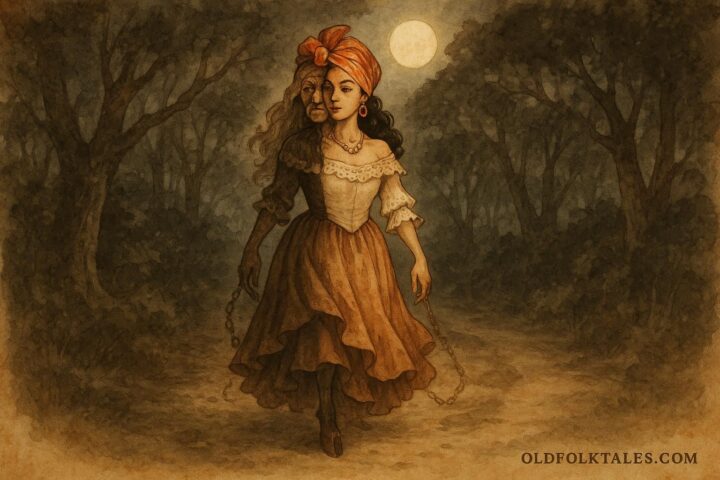
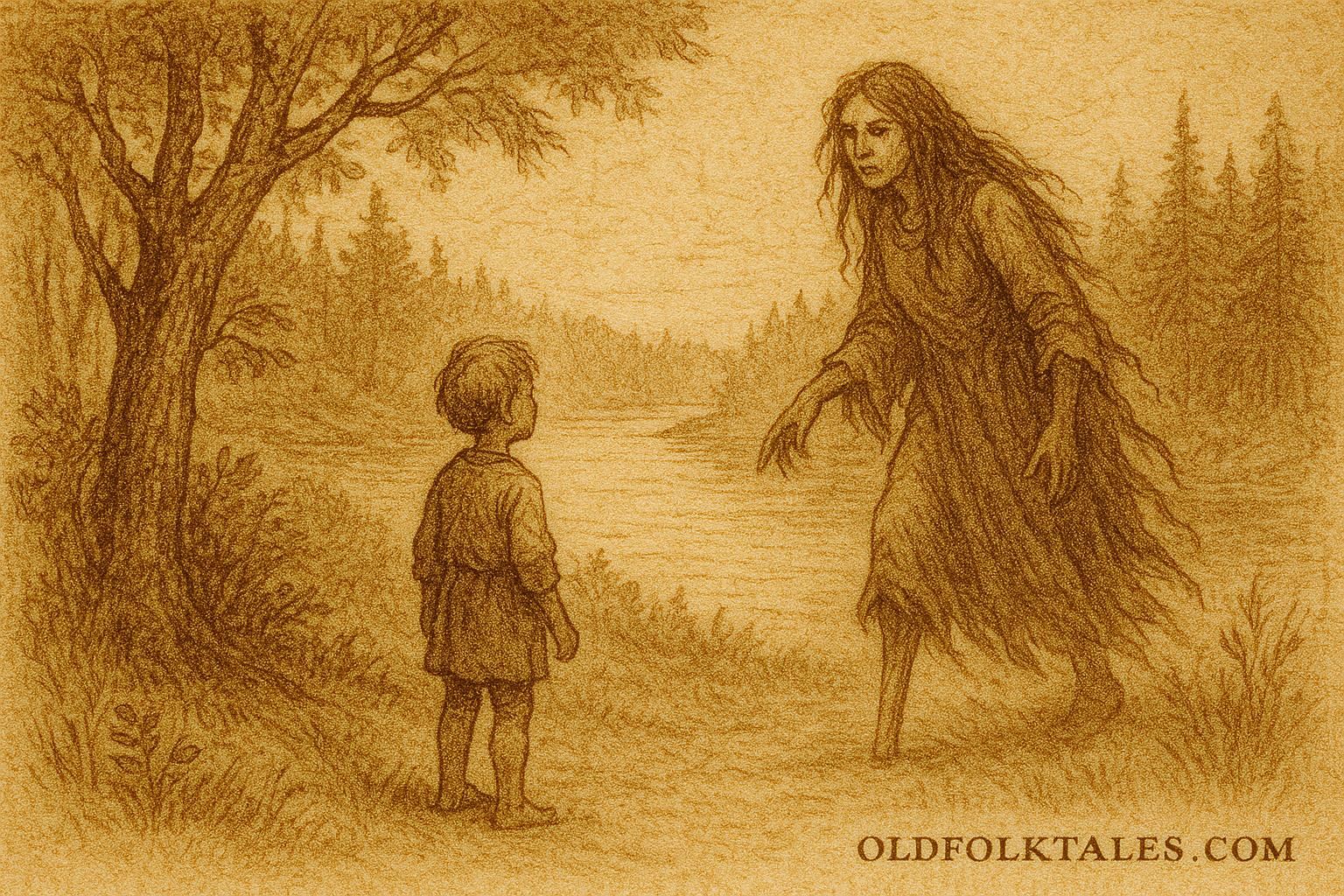
La Tunda has a peculiar, unmistakable trait: she appears as a familiar face, a mother, an aunt, or a sibling, but there is always a flaw that gives her away. One of her feet is not human, often wooden, twisted, or resembling that of an animal. Villagers say this small detail is the only clue to her deceptive nature, for the rest of her appearance is eerily comforting, drawing her victims closer with gentle words, food, and attention.
Explore the land of La Llorona, trickster coyotes, and magical realism in Mexican folklore
Many children and careless villagers have been lured away by La Tunda’s charms. She whispers promises of warmth and safety, enticing the unsuspecting into the forest’s dense heart. Once she has them, the victims find themselves lost. Days can stretch into weeks, and weeks into years, though time passes differently for those ensnared. When the children finally return, or are discovered, their eyes are dull, their bodies weakened, and their minds fogged. They can speak little of where they have been, only that it was unlike anything they had known.
The elders of these villages stress that La Tunda is not simply a spirit of mischief but a guardian of morality and respect. She punishes disobedience, children who wander off despite warnings, and disrespect toward nature, villagers who exploit forests, rivers, and wildlife thoughtlessly. Her presence reminds the community that the wisdom of elders, the guidance of tradition, and harmony with the environment are not arbitrary rules, but protective measures honed over generations.
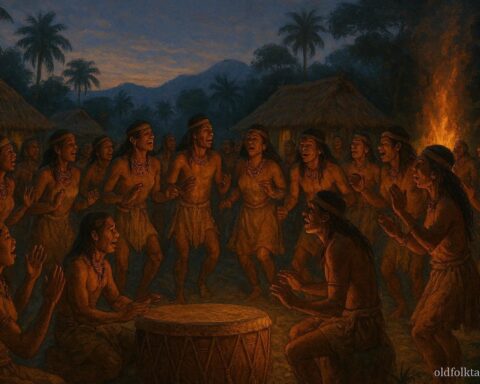
Stories of La Tunda are often shared around cooking fires, her name spoken softly yet firmly, so that the youngest villagers learn the importance of vigilance, obedience, and environmental respect. “See the river, hear the wind, watch the forest,” parents say, “for La Tunda watches all who do not honor the path home.” Her legend is both terrifying and instructive: the fear of her is intertwined with lessons that safeguard the community.
Even in modern times, villagers recount glimpses of La Tunda on foggy mornings near rivers or along forest trails. Some claim to hear her lullabies drifting on the wind or to notice a mismatched foot among the trees. Whether spirit or symbol, she embodies the consequences of ignoring wisdom, tradition, and the delicate balance of nature.
Immerse yourself in Latin America’s stories of passion, transformation, and spirit.
Moral Lesson
La Tunda teaches that ignoring the guidance of elders, disobeying instructions, or disrespecting nature leaves one vulnerable to danger and unforeseen harm. Obedience and respect are protective forces in life.
Knowledge Check
1. Who is La Tunda in Colombian and Ecuadorian folklore?
La Tunda is a shape-shifting spirit who lures disobedient children and careless villagers into the forest.
2. How can victims recognize La Tunda?
One of her feet is always non-human, wooden, or animal-like, betraying her true identity.
3. What does La Tunda punish?
She punishes disobedience to elders and disrespect toward nature.
4. What happens to those taken by La Tunda?
They become lost, confused, weakened, and often unable to explain what occurred.
5. Why do villagers tell stories about La Tunda?
To teach children obedience, respect for tradition, and care for the natural environment.
6. What cultural significance does La Tunda hold?
She represents the protective wisdom of elders, moral consequence, and the importance of respecting nature.
Source: Afro-Indigenous rural folklore
Cultural Origin: Colombia & Ecuador (Village Folklore)