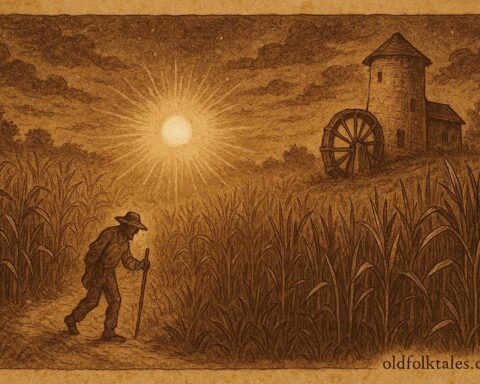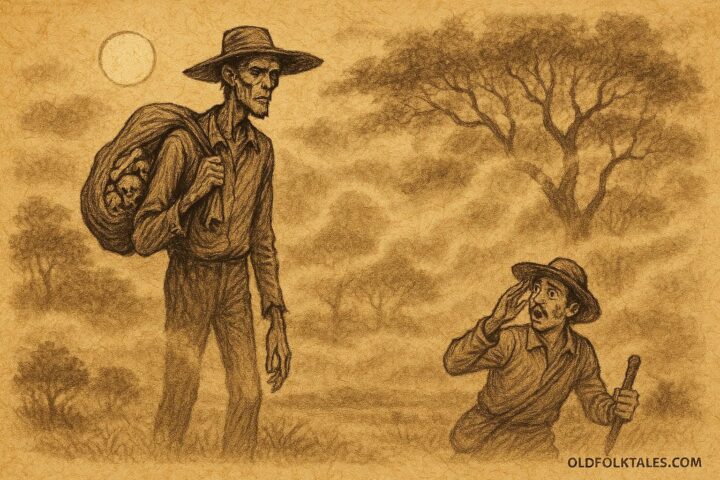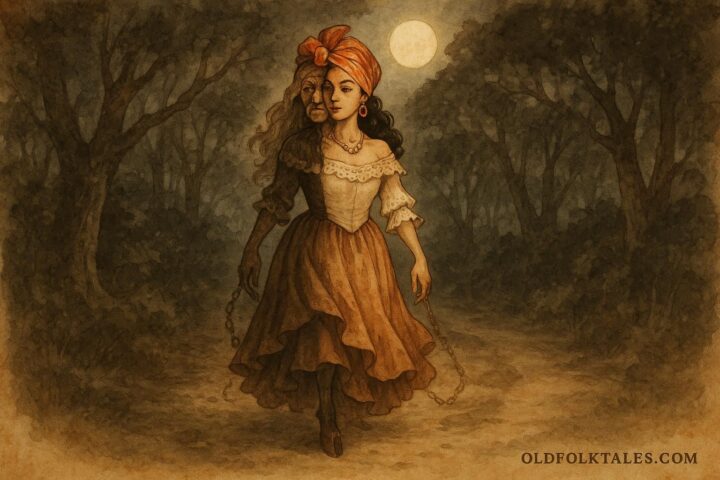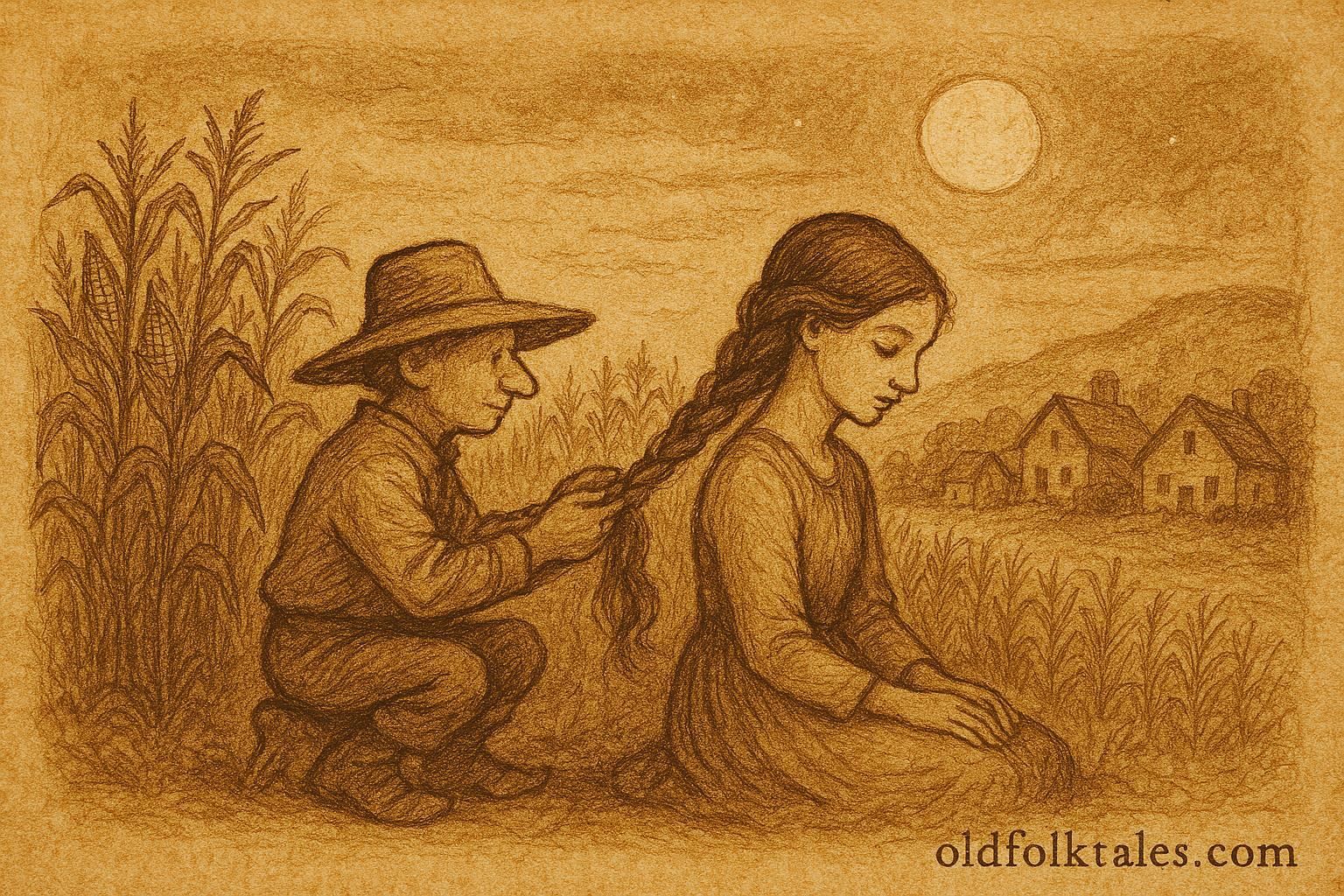
In the quiet, sun-drenched villages of Guatemala and Southern Mexico, where maize fields stretch toward the horizon and rivers hum softly beneath the trees, elders speak of El Sombrerón in hushed tones. This spirit is small in stature but immense in influence, appearing as a man no taller than a child, yet crowned with a wide-brimmed hat that casts a shadow over his face. Villagers describe him with a mixture of fear and fascination, warning that he targets young women who are unaware of his subtle power.
El Sombrerón is a master of charm and obsession. He follows his chosen victim silently through the village streets and along forested paths, braiding her hair with hands that move as deftly as a spider weaving its web. His voice, soft and melodic, drifts into windows at night, singing songs that enchant and captivate. Those under his gaze find their minds wandering, their attention slipping away from daily tasks and family responsibilities. Children’s chores are neglected, crops are left untended, and household routines crumble as energy drains inexplicably from the young women he lures.
Farmers and villagers notice the effects quickly. A young woman who once woke at dawn to help with planting or feed the animals may linger in her room, staring at her braid as if caught in a dream. Families whisper about the quiet havoc El Sombrerón wreaks, not through violence, but by subtly undermining focus, productivity, and emotional balance. He does not harm physically, but the disruption he causes can echo through the entire household.
The remedies, passed down through generations, are as varied as they are practical. Families may cut a girl’s long hair short, removing the strands that El Sombrerón finds so appealing. Some bless their homes with candles, water, or sage, creating a protective barrier to his influence. Others simply urge vigilance and awareness, teaching young women to maintain routines, avoid wandering alone at night, and guard against distractions that seem innocent but may conceal subtle forces of obsession.
Villagers tell that El Sombrerón is drawn not by malice, but by fascination, an extreme curiosity that, when unchecked, turns destructive. He embodies the lesson that even harmless obsession can quietly unravel the balance of work, family, and personal well-being. Young women who heed the warnings maintain focus, nurturing both their households and their own inner strength. Those who ignore the signs may find their energy sapped and their lives disrupted until they take steps to reclaim control.
At night, near the edges of the village, one might catch a glimpse of a small figure with a large hat weaving between shadows and moonlight, braiding strands of hair, singing soft notes that float on the air. Whether one believes in El Sombrerón as a spirit or as a symbol of distraction and obsessive influence, his story remains a vital lesson: attention, balance, and responsibility must be protected, lest they be quietly undone.
Moral Lesson
El Sombrerón teaches that unchecked obsession, whether in others or oneself, can quietly disrupt personal balance, responsibilities, and focus. Maintaining awareness and moderation safeguards both personal and familial well-being.
Knowledge Check
1. Who is El Sombrerón in Guatemalan and Southern Mexican folklore?
El Sombrerón is a small man with a large hat who follows young women, braiding their hair and singing softly.
2. What effect does El Sombrerón have on his victims?
He distracts them, drains energy, and causes neglect of work, family, and personal responsibilities.
3. How do villagers protect themselves or their families from El Sombrerón?
By cutting hair, blessing homes, maintaining routines, and teaching awareness of distractions.
4. What does El Sombrerón symbolize?
Obsession and the dangers of losing personal balance and responsibility.
5. Who typically becomes the target of El Sombrerón?
Young women in agricultural villages who are unaware of his influence.
6. What cultural lesson does this folktale convey?
That focus, moderation, and vigilance are essential to maintain personal well-being and family stability.
Source: Village oral tradition
Cultural Origin: Guatemala & Southern Mexico (Village Folklore)