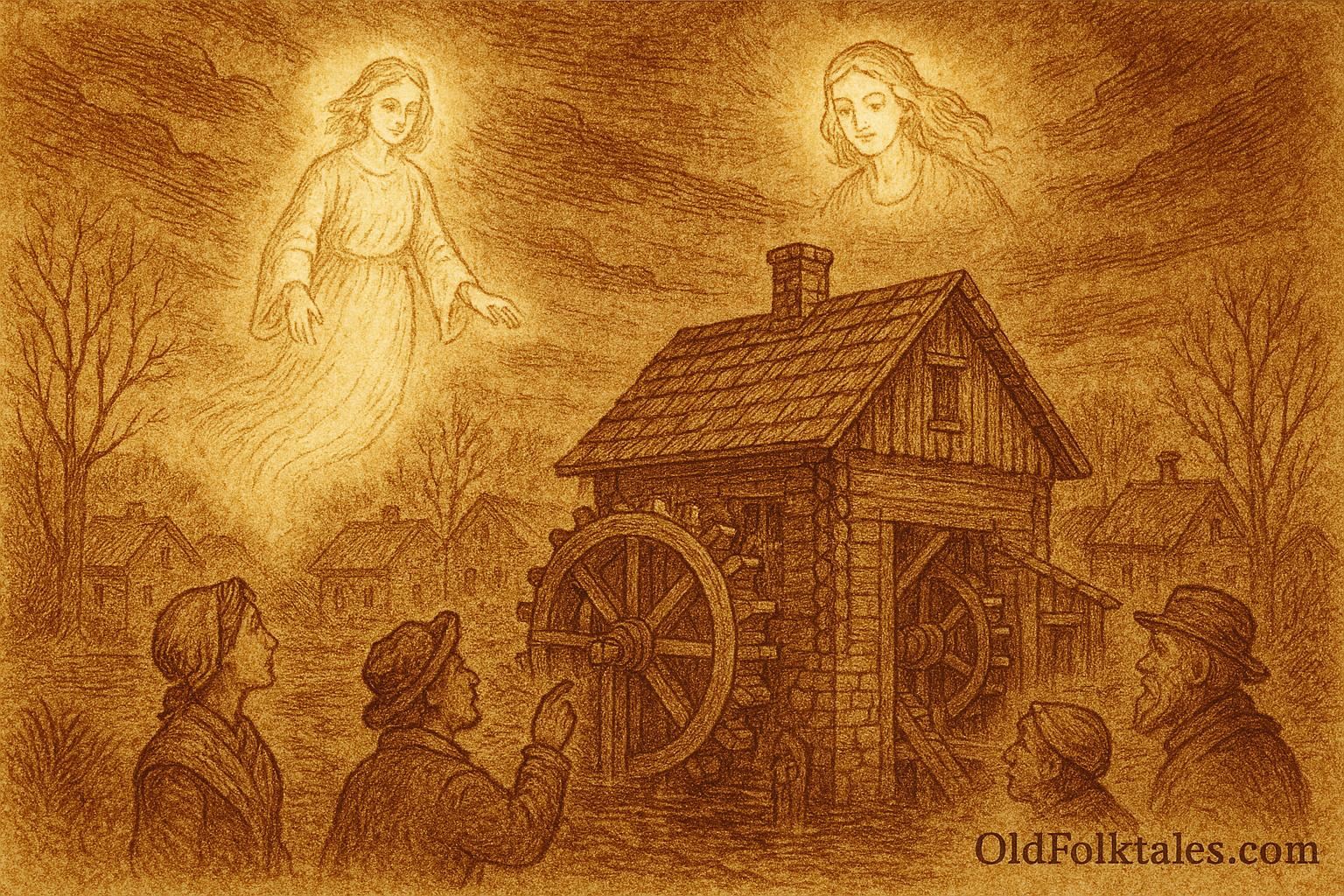
In rural Mexican villages, where the scent of freshly ground maize drifts through the streets and the rhythm of daily life revolves around shared grain mills, villagers speak with reverence of El Espíritu del Molino, the spirit of the mill. This spectral guardian is neither seen nor heard during the bustling hours of the day. Yet at night, when the village grows silent and the only sound is the creak of wooden doors or the whistle of the wind through the cornfields, his presence is unmistakable.
The story begins in a village surrounded by fertile fields, where every family relies on the central mill to grind maize, wheat, and other grains essential for daily bread. Mill owners, who serve the community, are expected to measure fairly, charge honestly, and treat each villager with respect. The spirit of the mill watches over this balance, ensuring that fairness prevails.
Journey through Central America’s heartlands and hear its stories of creation, courage, and nature.
Villagers recount that when a miller attempts to cheat, reducing the weight of flour or hiding part of the harvest, the machinery mysteriously jams. Wooden gears creak with resistance, stones refuse to grind, and the mill emits strange echoes that ripple through the village at night. Children wake to the haunting sounds, and adults whisper of unseen hands adjusting the grindstones or tapping the walls. These disturbances persist until the miller corrects the wrongdoing, restores justice, and treats the community fairly.
One particularly memorable tale tells of a miller who, driven by greed, began skimming portions of corn from several families. At first, the theft went unnoticed, but by the third night, the millstones refused to turn, squealing with an eerie life of their own. The villagers awoke to hear soft yet persistent knocking echoing through the empty mill. Frightened but determined, they gathered and demanded an explanation. Only when the miller confessed and restored the stolen grain did the strange noises cease, and the mill began functioning as smoothly as before.
El Espíritu del Molino is not vindictive for the sake of cruelty; rather, he enforces a system that sustains the village. The tales remind all who hear them that the survival of a community relies not on individual wealth or deception, but on honesty, fairness, and shared responsibility. Through generations, this folktale has been told to children as a lesson in ethics: to respect communal resources, value each neighbor’s labor, and understand that collective well-being depends on each person’s integrity.
The spirit’s presence is also a reassurance. When millers act honestly and treat villagers fairly, the mill hums with life, the grain flows smoothly, and the community thrives. Families celebrate bountiful harvests, shared bread, and the knowledge that fairness ensures harmony. The message resonates across time: a prosperous village is one where responsibility is shared and fairness enforced.
Even today, as modern mills replace wooden mechanisms, villagers recount stories of creaking gears, mysterious knocks, and a shadowy presence ensuring justice. Whether interpreted literally or metaphorically, the legend of El Espíritu del Molino endures as a guide to ethical conduct, communal care, and the essential truth that honesty is the foundation of collective prosperity.
Moral Lesson
El Espíritu del Molino teaches that community survival and prosperity depend on honesty, fairness, and shared responsibility. Cheating or selfishness brings imbalance, while ethical behavior strengthens communal harmony.
Knowledge Check
1. Who is El Espíritu del Molino?
A spirit guarding the village mill, ensuring fairness and justice among villagers.
2. What happens when mill owners cheat villagers?
The machinery fails, strange sounds echo at night, and the spirit forces the miller to restore justice.
3. How does the spirit reward honesty?
When millers act fairly, the mill functions smoothly, grain flows, and the village prospers.
4. What does the spirit symbolize?
Community responsibility, fairness, and ethical conduct.
5. Why is this story culturally significant?
It reflects village life in Mexico, teaching moral lessons about fairness, communal cooperation, and respect for shared resources.
6. How are children taught the lesson of this folktale?
Through storytelling, they learn the importance of honesty, fairness, and the value of respecting communal systems.
Source: Village oral tradition
Cultural Origin: Mexico