In the heart of rural Mexico, where rolling hills are blanketed with golden maize and the air is thick with the scent of soil and sun-warmed stalks, farmers speak in reverent whispers of El Espanto del Maizal. This spirit is neither cruel nor malevolent in the ordinary sense, yet it is feared by all who work the fields. Villagers say that maize is sacred, the lifeblood of their communities, and those who treat it with greed or carelessness are punished.
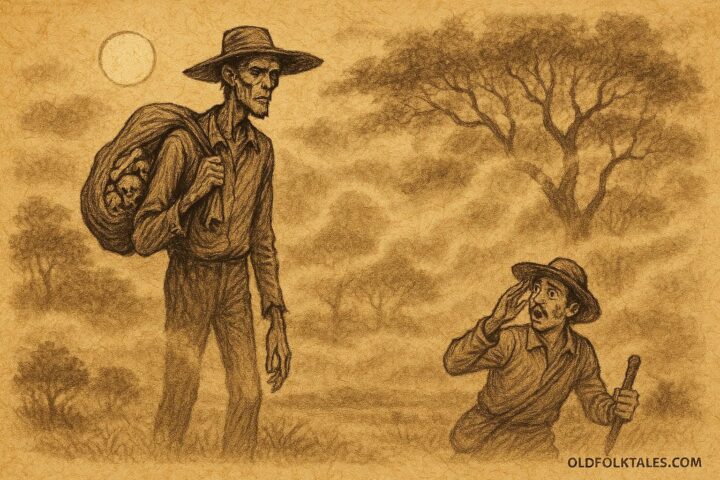
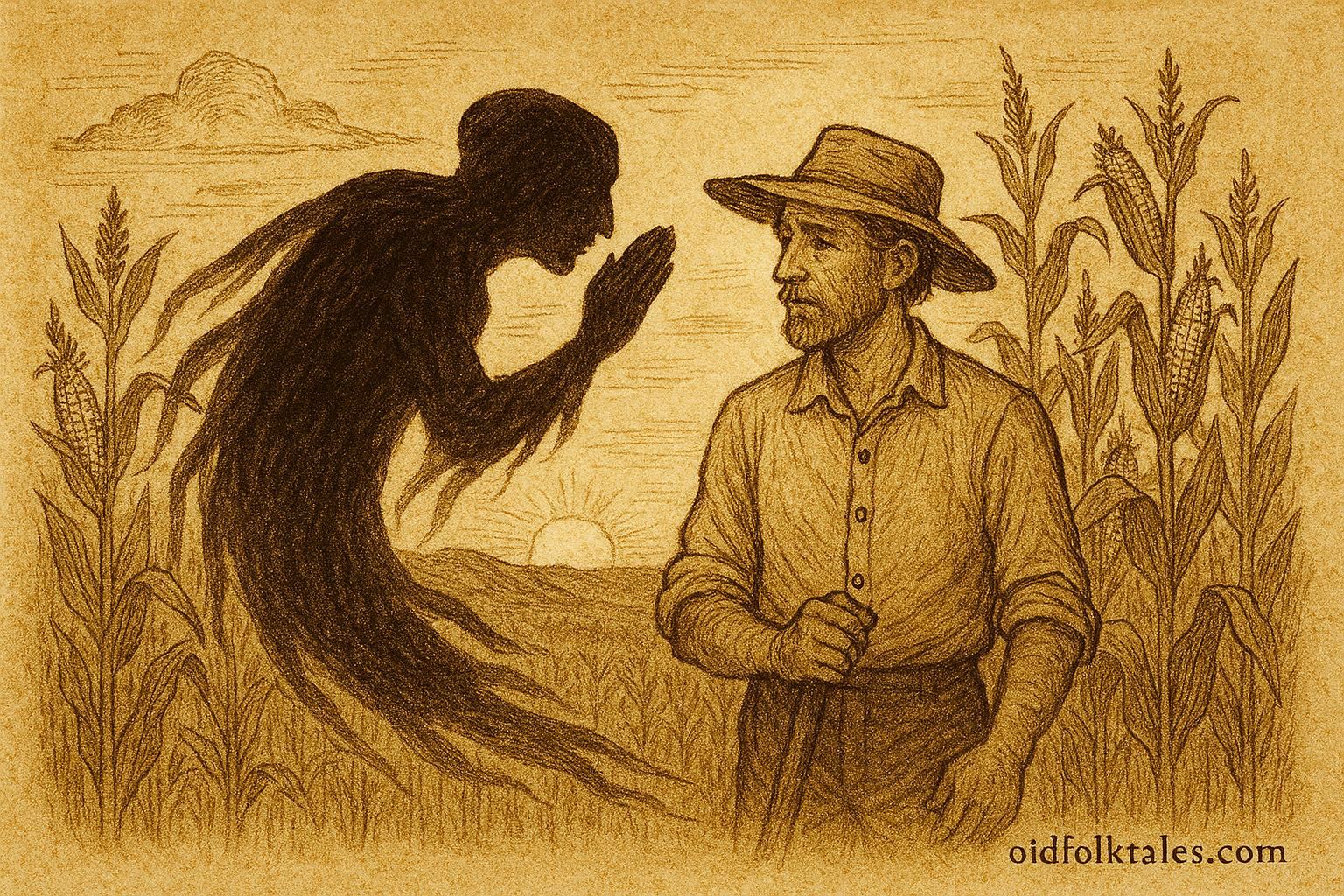
El Espanto del Maizal is most often seen at dusk, when the sun dips low behind the hills and shadows lengthen across the neatly planted rows. Farmers describe a figure, dark and shadowy, moving silently among the corn, gliding over the soft earth with no discernible footsteps. It whispers warnings to anyone who dares take more than their share, waste the precious kernels, or treat the fields with disregard. Its voice is soft but unmistakable, like wind through the stalks, carrying an urgency that chills the heart.
Explore the land of La Llorona, trickster coyotes, and magical realism in Mexican folklore
The stories told around evening fires are clear: those who heed the warnings prosper. A farmer who carefully harvests only what is needed, who shares seeds with neighbors, and who respects the cycles of planting and reaping will find the land generous. Crops thrive, animals are healthy, and the household enjoys the quiet bounty of hard work balanced with reverence.
But for the greedy, El Espanto del Maizal does not forget. Those who steal from the fields or waste the maize are struck by sudden misfortune. Crops wither inexplicably, water channels dry, and illness creeps through homes. Villagers recount tales of farmers who, driven by selfish desire, returned to their fields one morning to find the maize stalks scorched, leaves brittle, and kernels shriveled. Some say the shadow of the spirit itself hovered above the fields, eyes glinting faintly in the dim light.
Families and communities learned to respect the maize not only as sustenance but as a sacred trust. Children were taught to walk carefully through the rows, to never take a kernel without need, and to treat the fields as an extension of their own households. Elders reminded the young that maize nourishes more than bodies, it sustains culture, ritual, and life itself. Ignoring this wisdom, the tales warn, invites the consequences of greed, embodied in the silent, watchful presence of El Espanto del Maizal.
The spirit’s legend endures because it is both practical and moral. It preserves agricultural balance by teaching respect for the land and its cycles, while also offering a vivid, almost terrifying reminder that the bounty of nature is not inexhaustible. To the villagers, the maizefield is alive, and El Espanto del Maizal is its guardian: subtle, patient, and unyielding to those who fail in humility.
Even today, farmers in rural Mexico still pause at the edges of their fields at dusk, listening for the soft rustle of a shadow among the stalks. Some swear they see a dark figure glide past, whispering in the wind. Whether spirit or symbol, El Espanto del Maizal remains a powerful reminder that the land rewards care, diligence, and respect, and punishes greed.
Immerse yourself in Latin America’s stories of passion, transformation, and spirit.
Moral Lesson
El Espanto del Maizal teaches that greed toward the land invites loss, while respect, humility, and responsible stewardship ensure abundance and well-being.
Knowledge Check
1. Who is El Espanto del Maizal in Mexican folklore?
A shadowy spirit that appears in maizefields to warn against greed and disrespect.
2. When does El Espanto del Maizal appear?
At dusk, when shadows lengthen across the fields.
3. How does the spirit punish those who steal or waste maize?
By causing failed harvests, illness, or misfortune for the greedy farmer.
4. Who benefits from the presence of El Espanto del Maizal?
Farmers who respect the land, harvest responsibly, and maintain humility.
5. What does El Espanto del Maizal symbolize?
The importance of respect, responsibility, and the sacredness of agricultural life.
6. Why do villagers teach children about this spirit?
To instill respect for the land, care for crops, and awareness of consequences for greed.
Source: Agricultural oral tradition
Cultural Origin: Mexico (Farm Folklore)