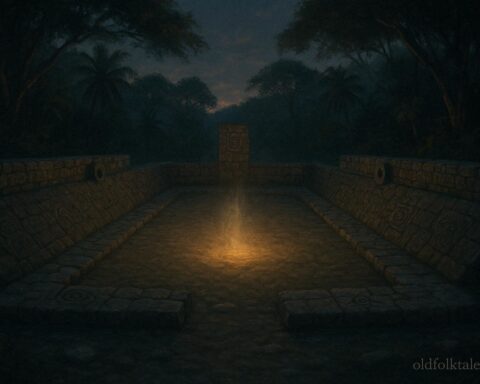
In the southern reaches of the Amazon Basin, where rivers once glimmered beneath thick canopies and night skies shimmered with living light, the forest had known balance for generations beyond counting. At dusk, fireflies rose from the undergrowth like drifting stars, their glow weaving softly through leaves and branches. Elders said their light was the forest’s breath made visible, a sign that life remained in harmony.
But over time, the forest grew quiet.
Trees fell where they once stood unbroken. Rivers ran shallow and cloudy. Animals moved deeper into the remaining green, and the fireflies, once countless, vanished one by one. Night arrived heavier than before, pressing down on the forest floor with unfamiliar darkness.
Until only one firefly remained.
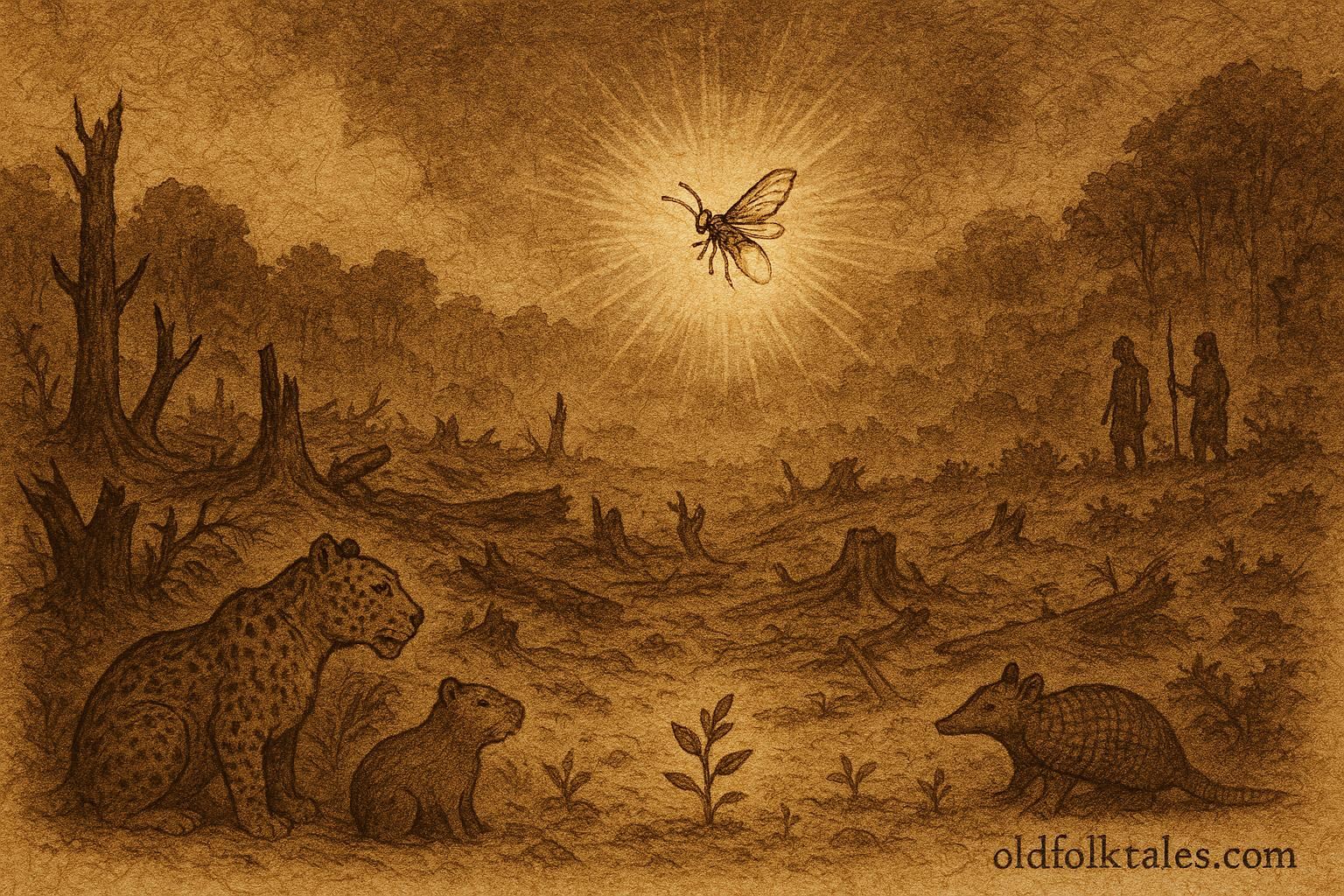
It lived near a clearing scarred by fallen trees, where moonlight reached the ground without resistance. Each evening, as shadows stretched long and cold, the small firefly rose and shone alone. Its glow was faint compared to the brilliance that once filled the air, yet it burned steadily, refusing to disappear.
Animals noticed first.
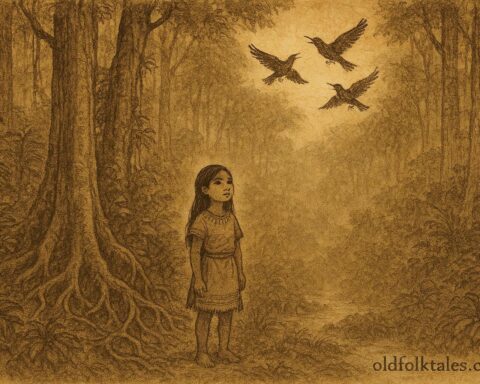
An old tapir paused one night and watched the solitary light hover near the broken earth. Birds perched silently, following its movement. Even the nocturnal insects gathered close, drawn by something they barely remembered but deeply needed.
Humans noticed soon after.
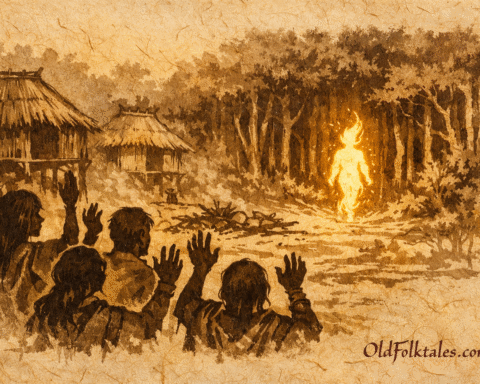
Hunters returning late saw the single spark floating where darkness should have ruled. Children pointed and whispered. Elders grew thoughtful. They remembered stories told long ago, that when the last firefly vanished, the forest’s spirit would fall silent forever.
Night after night, the firefly returned, lighting the same small stretch of ground. It did not flee from humans or beasts. It did not dim when winds blew through the clearing. Though fragile, its glow carried resolve.
Moved by its persistence, the people began to change.
They stopped cutting trees near the clearing. They carried water back to drying streams. Hunters took only what was needed. Children were told to watch the firefly and remember that life could endure if guarded carefully.
Animals returned slowly. Seeds sprouted where soil had rested undisturbed. The air grew cooler, heavier with promise. Other insects appeared, tentative at first, then steady. One evening, a second firefly flickered into view.
Then another.
The forest did not heal quickly, nor completely. Scars remained. But light returned, not all at once, but enough to guide the way forward.
The elders taught that the firefly had never been merely an insect. It was hope given form, small but unyielding. And as long as even one light was protected, the forest would never truly be lost.
Click to read all South American Folktales — timeless stories from the Andes to the Amazon.
Moral Lesson
This folktale teaches that hope endures when even the smallest life is protected. Preservation begins with responsibility, and renewal grows from a single act of care.
Knowledge Check
1. What did the fireflies symbolize in the Amazonian forest?
They symbolized balance, life, and the forest’s living spirit.
2. Why was the last firefly important to both humans and animals?
It represented hope and reminded them that life could still be protected.
3. How did the people change their behavior after seeing the firefly?
They reduced destruction, respected resources, and practiced restraint.
4. What role did animals play in the story?
They recognized the firefly’s significance before humans and returned as balance was restored.
5. What does the return of more fireflies represent?
The slow renewal of the forest through preservation and care.
6. What central lesson does this folktale teach?
That protecting even one fragile life can inspire lasting environmental recovery.
Source: Indigenous oral tradition; recorded in Southern Amazon narratives
Cultural Origin: Amazon Basin (Indigenous folklore)