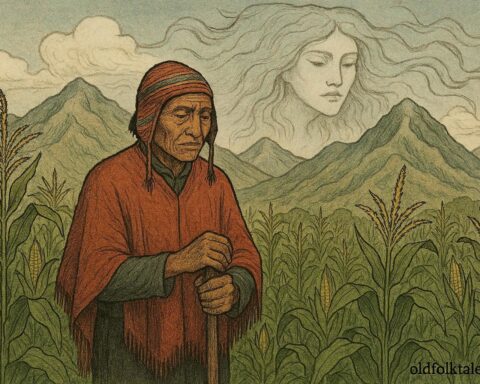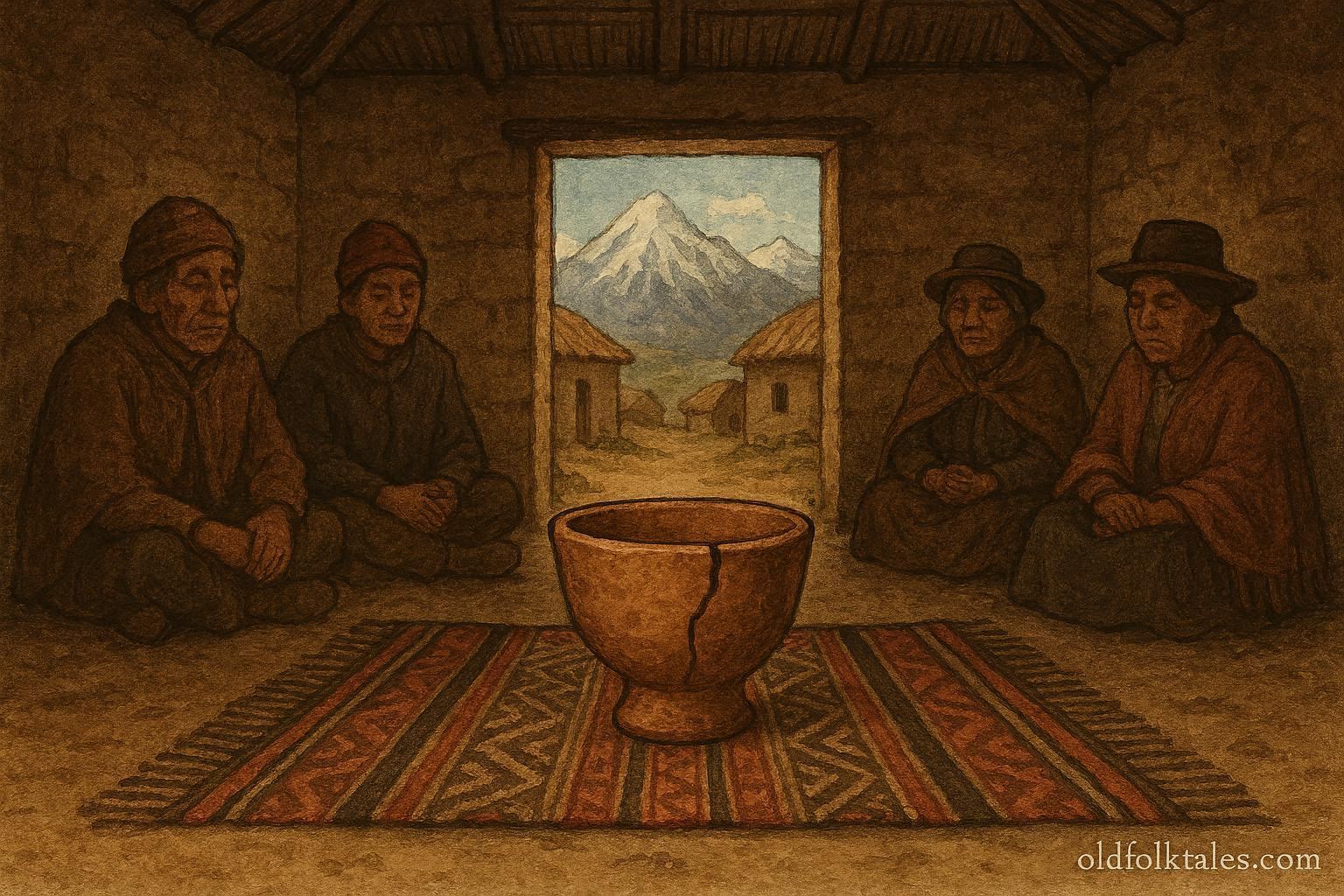
In the high plains of the Andes, where wind whispers across jagged mountains and rivers carve deep valleys, there was a village known for its careful words. Among the Aymara people who lived there, speech was sacred, and promises were considered as binding as the mountains themselves. At the center of the village’s ceremonial house rested a single object of great power: a shallow drinking cup made of fired clay and polished with fine mineral dust. Its dark surface bore faint spiral designs, the marks of generations of careful use. Elders said the cup listened to every word spoken over it, remembering promises and noting when truth was bent.
The cup was never used lightly. It was reserved for oaths of importance, for disputes between families, and for promises made before the land itself. When a person drank from it, they were not merely taking a sip of liquid; they were embracing accountability, connecting themselves to their ancestors, and binding their words to the earth.
One year, a dispute arose over a stretch of communal grazing land along a riverbank. Two families, long-time neighbors, each claimed the right to pasture their llamas there. The disagreement grew tense, threatening the harmony of the village. The elders, recognizing the seriousness of the matter, summoned the families to the ceremonial house and called forth the sacred cup to seal an oath of truth.
Discover ancient tales passed down by the Indigenous peoples of the Americas.
Among those present was Saraku, a young man eager for recognition. He had a desire to be seen as knowledgeable and influential, though his heart was often swayed by pride. When asked to serve as a witness, he stepped forward with confidence, recounting the land’s history as he remembered it. But his memory was shaped not by truth alone; he embellished details to favor one side, hoping to earn favor with the elder council.
The eldest woman of the village, keeper of the cup, poured a drink into it and placed it gently before Saraku. She did not speak, but her eyes were calm, as though waiting to see what his words would reveal.
Saraku lifted the cup to his lips and declared his version of the history. The cup felt unexpectedly warm in his hands, though the liquid was cool. He ignored it and finished his oath.
A sharp, thin crack echoed in the stillness. It was quiet, yet unmistakable. The cup had fractured along its side.
Gasps rippled through the room, but the elders remained silent. Saraku’s hands shook, and his face burned with shame. The crack was not violent or sudden; it was a calm, deliberate response, as though the cup itself had been waiting for the truth to reveal itself. The elders did not scold him. They had no need. The cup had already spoken.
In that moment, Saraku understood. The cup had not broken him. It had reflected the fracture within his own words, revealing the weight of dishonesty. The ceremonial object did not punish; it taught.
The elders asked Saraku to sit. After a long silence, he spoke again, this time honestly, admitting where his memory had failed him and what details he had twisted. He explained what he truly knew. His voice trembled, yet there was clarity in his confession.
The families listened and adjusted their claims, reaching an agreement that restored peace. Though the division of land was different from what either side expected, it was fair and acknowledged the importance of truth. The cup was repaired with resin, and the crack was left visible as a lesson for future generations.
Children in the village were later shown the cup and told its story. They learned that honesty could be fragile, yet it could be restored, and that words carried weight not only for the speaker but for the community. Saraku himself became known for restraint. When he spoke, people listened, not because of pride, but because he had learned to align his intentions with his words.
Years passed, and the cup remained in its place at the ceremonial house, patient and enduring. It did not demand perfection, only sincerity. It stood as a symbol of how the smallest lie could fracture not only objects but also trust and harmony within a community.
Through this story, the villagers understood that truth is not always about fear of consequence, but about the responsibility to respect relationships, promises, and the land that sustains them.
Click to read all South American Folktales — timeless stories from the Andes to the Amazon.
Moral Lesson
Honesty and intention are vital to communal harmony. Ceremonial objects may serve as reminders that words carry weight and that truth strengthens trust and social cohesion. Deception may fracture relationships, but sincere acknowledgement and accountability can restore balance.
Knowledge Check
1. Why did the cup crack during the ceremony?
The cup cracked because a false oath was spoken over it, revealing dishonesty and misaligned intent.
2. Did the cup punish Saraku?
No. The cup reflected the truth rather than punishing, teaching the speaker the consequence of bending facts.
3. What lesson did the community take from the cup?
The community learned that words carry weight and honesty maintains harmony.
4. How was the dispute over land resolved?
Through honest acknowledgment and mediation, the families reached a fair agreement that respected the land and each other.
5. Why did the elders leave the crack visible after repairing the cup?
To serve as a lasting lesson for future generations about the importance of truth in speech and ritual.
6. How did Saraku change after the event?
He became known for restraint and sincerity, understanding the connection between intention and speech.
Source:
Adapted from Ritual Speech and Material Response in the Andes, Museo Nacional del Perú (2012)
Cultural origin:
Aymara peoples, Bolivia