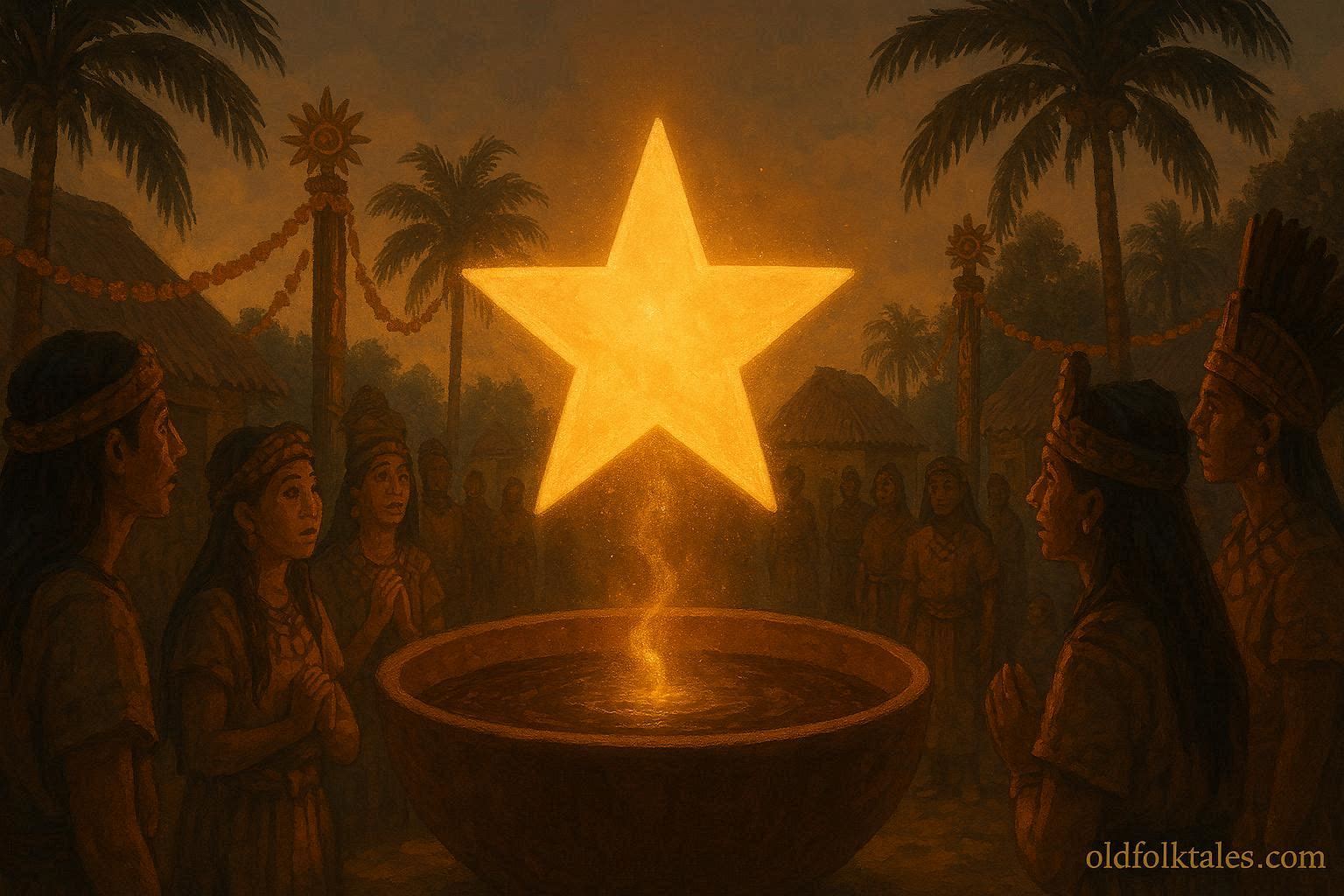
Long ago, when the heavens were alive with dancing stars and the earth was lush with forests of cacao, the people of the Maya lands relied on both the sky and the soil to nourish their lives. The stars were not merely distant lights; they were guides, messengers, and sometimes even providers of gifts. Among these gifts was a story that would be told for generations: the tale of the star that fell into the cacao bowl.
In a small village nestled in the valleys of Guatemala, a young girl named Ixchel lived with her family. She was known for her curiosity and attentiveness during ceremonial feasts, especially those involving cacao, which was sacred and central to the life of her people. Each morning, Ixchel would help her mother prepare the cocoa beans, grinding them carefully and mixing them with spices and honey for the offerings. She knew the value of cacao, it was not only food but a connection between humans and the divine.
One clear night, the sky shimmered with stars. Ixchel sat on the edge of her hut, gazing upward, wondering about the distance between the heavens and the earth. She whispered to the stars, offering gratitude for their guidance and light. “If only one of you could visit us, even for a moment,” she murmured, “so we may see your wisdom and share your blessings.”
Discover Mexico’s timeless tales blending Indigenous roots and Spanish tradition
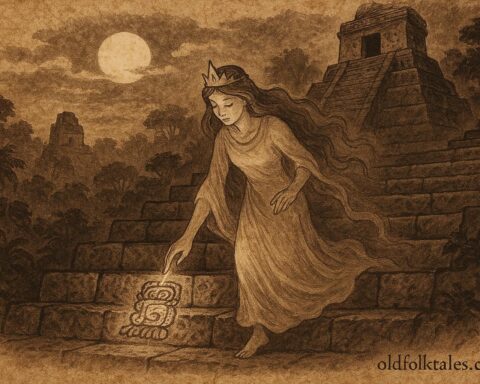
The stars above heard her sincere words. High in the heavens, one star, small and radiant, decided to descend. It tumbled gently through the night sky, leaving a trail of silver light, until it landed directly in the village, striking softly into a large cacao bowl prepared for the next morning’s ceremonial feast. The star’s arrival startled the villagers. Its glow illuminated the entire hut, bathing walls and floor in celestial light.
Ixchel approached the bowl carefully, sensing the sacred nature of this moment. The star did not burn or harm the cacao; instead, it shimmered, infusing the beans with warmth and a subtle sweetness. The elders declared this a gift from the heavens is a sign that the gods were pleased with the people’s reverence and gratitude.
Over the following days, the cacao prepared from the star-infused beans was unlike any the villagers had ever tasted. Each sip brought clarity, insight, and a sense of connectedness to the sky above. The people realized that the star had not merely added flavor; it had shared a fragment of its essence, reminding the villagers that nourishment is a sacred gift that bridges the earth and cosmos.
Ixchel’s family and the village elders decided that the star’s gift must be honored with ceremony and careful sharing. The cacao would be consumed thoughtfully, with prayers and songs, acknowledging both the sky and the forest that sustained them. Ixchel learned that gifts from the heavens were to be treated with respect, humility, and gratitude, and that consuming them carelessly could diminish their power.
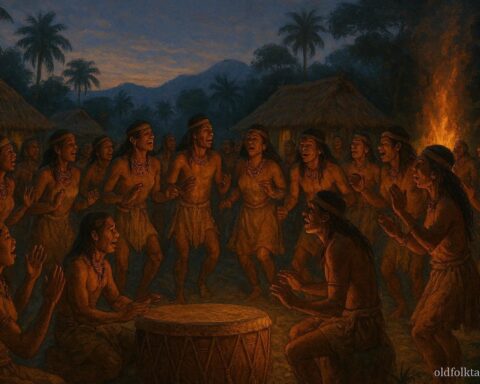
As generations passed, the tale of the star in the cacao bowl became central to Maya ceremonial tradition. Parents told it to children during festivals, teaching that food was more than sustenance; it was a symbol of connection, responsibility, and cosmic harmony. Farmers were reminded to cultivate cacao thoughtfully, ensuring that their labor respected the earth and the blessings of the sky.
Ixchel grew into a wise woman, carrying the story forward. She taught that each bean, each drop of cacao, contained a fragment of life’s sacred balance. The star’s light, now symbolic, continued to inspire mindfulness in harvesting, preparation, and communal sharing. Even today, some say that the glow of stars over cacao fields carries a whisper of that original gift, a reminder that the heavens and the earth are linked by gratitude, respect, and care.
Through this story, the Maya people learned that the universe responds to sincerity and reverence. Small actions, like the careful preparation of cacao, can invite great blessings, just as Ixchel’s humility and attentiveness drew a star down from the sky. The tale remains a lesson that nourishment whether food, knowledge, or guidance is sacred, and that recognizing the gifts of the world fosters harmony between humans and the cosmos.
Explore the ancestral legends of Canada, Mesoamerica, and South America’s Indigenous tribes.
Moral Lesson
Respect, gratitude, and careful stewardship of gifts both from the earth and the heavens are essential. True blessings come to those who act with humility and reverence.
Knowledge Check
1. Who was Ixchel, and what was her role?
Ixchel was a young girl known for her attentiveness during ceremonial cacao preparation, representing humility and reverence.
2. How did the star arrive in the village?
A small star, hearing Ixchel’s sincere prayers, fell gently from the sky into a cacao bowl prepared for a ceremonial feast.
3. What effect did the star have on the cacao?
It infused the cacao with warmth, sweetness, and a sense of cosmic connection, enhancing both flavor and spiritual significance.
4. What lesson did the villagers learn from this event?
They learned that gifts from the heavens and earth must be treated with respect, gratitude, and mindfulness.
5. How did Ixchel’s actions influence the village’s traditions?
Her careful preparation and reverence inspired ceremonial practices, emphasizing respect for food and the balance between earth and sky.
6. Why is this story still significant today?
It teaches the importance of humility, mindfulness, and gratitude in receiving and sharing blessings, linking humans to the cosmos.
Source
Adapted from Mesoamerican Ethnobotany Studies; Smithsonian Tropical Research Institute.
Cultural Origin
Maya peoples, Guatemala and Honduras.