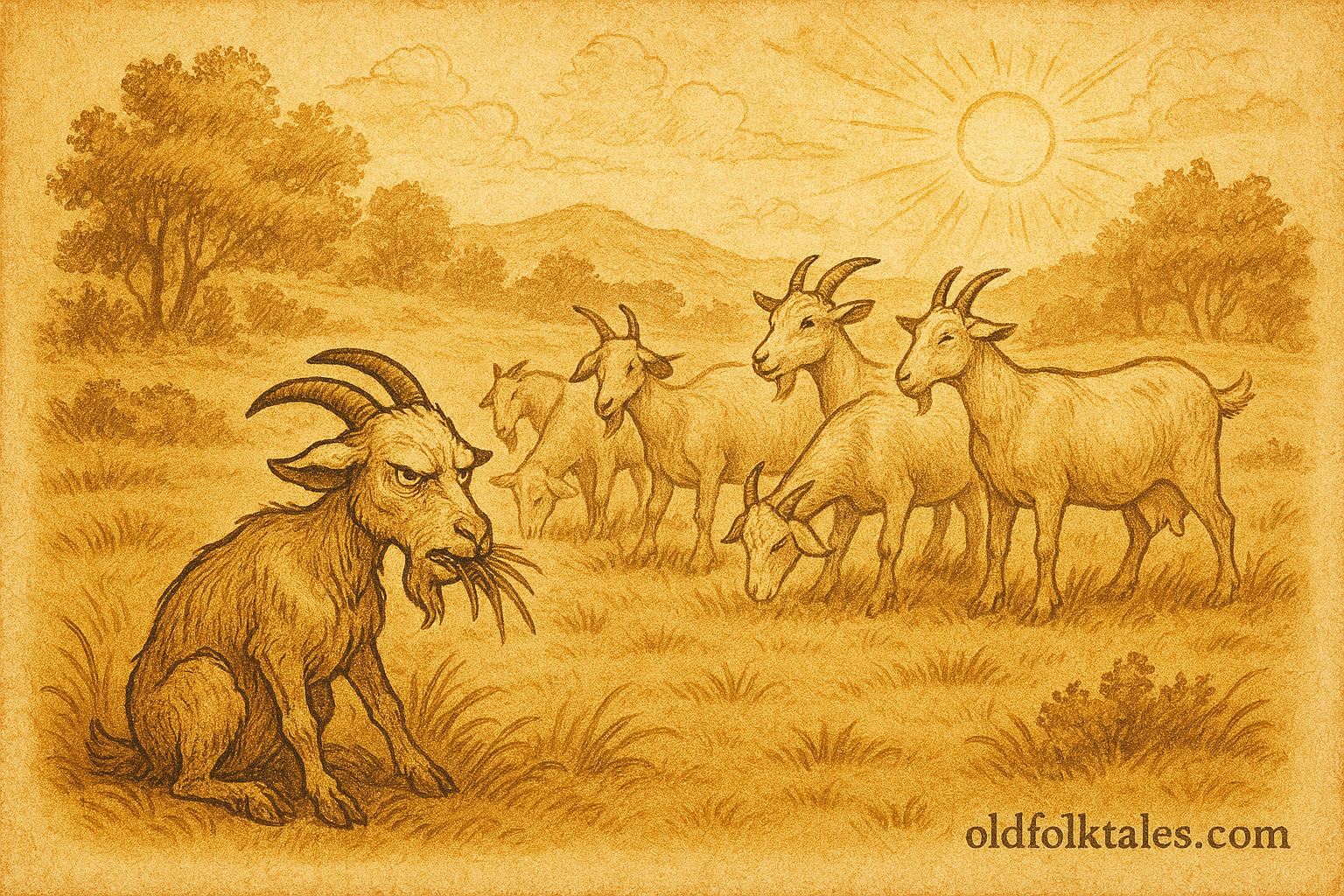
In a small, sun-baked village nestled in the hills of rural Mexico, a herd of goats grazed peacefully among the sparse pastures. Among them was one goat, named Cabrito, who was unlike the others. While his companions nibbled together and took turns at the sweetest patches of grass, Cabrito always tried to eat as much as he could for himself. He would push other goats aside, hoard the best leaves, and never offer a nibble to anyone.
At first, his greed went mostly unnoticed. But over time, the villagers and the other animals began to observe a troubling change. Cabrito, though still plump at first, grew restless and irritable. His fur lost its shine, his movements became sluggish, and he seemed constantly anxious. Meanwhile, the goats who shared and grazed together remained healthy and lively, their laughter-like bleats echoing across the hills.
Immerse yourself in Latin America’s stories of passion, transformation, and spirit.
The wise old goat of the herd, who had seen many seasons, approached Cabrito one morning. “You are alone, yet you think yourself strong,” the elder said, his voice low but firm. “The world favors those who care for others, not only themselves. Learn to give, and you will receive more than you imagine.”
Cabrito, stubborn and proud, ignored the advice. He continued to push the others away and guard his meals. Soon, hunger and weakness caught up to him. One day, a sudden storm swept over the village, driving the goats to seek shelter. Cabrito, who had spent all his energy hoarding food instead of conserving strength, could barely keep pace. He slipped in the mud, frightened by the wind and rain, and realized for the first time that his selfishness had left him vulnerable and alone.
Seeing his struggle, the elder goat nudged him gently. “Come, share what you have. Help and be helped. Only then will you find balance.”
For the first time, Cabrito listened. He lowered his head and allowed the other goats to eat beside him. He shared the dry stalks he had hoarded, offered warmth during the cold rain, and let others rest while he moved carefully along the muddy slopes. Slowly but surely, his strength returned. His coat regained its shine, and the once-lonely goat found himself surrounded by friends. The herd welcomed him, not as a competitor, but as a valued companion. Harmony returned to the fields, and Cabrito finally understood that generosity benefits both the giver and the community.
From that day forward, the villagers used Cabrito’s story to teach children about empathy, cooperation, and the power of sharing. His tale was passed down alongside other lessons of the rural countryside, a reminder that selfishness isolates, while generosity strengthens bonds and sustains life.
Explore the land of La Llorona, trickster coyotes, and magical realism in Mexican folklore
Moral Lesson
This folktale teaches that generosity and sharing foster community harmony and personal well-being. Selfishness may bring short-term gains, but long-term happiness and strength come from cooperation, empathy, and caring for others.
Knowledge Check
Q1: Who is the main character of the story?
A: Cabrito, the greedy goat.
Q2: What consequences did Cabrito face for his selfishness?
A: He became weak, sickly, and isolated from the herd.
Q3: How did the other goats respond to Cabrito’s behavior?
A: They continued to thrive by sharing and cooperating.
Q4: What event prompted Cabrito to change?
A: A storm and his own weakness made him realize the importance of cooperation.
Q5: What values does the story reinforce for children?
A: Empathy, cooperation, generosity, and community responsibility.
Q6: What cultural origin does this folktale reflect?
A: It reflects rural Mexican traditions, emphasizing communal values and moral lessons.
Source: Oral rural tradition; documented in folk tale collections
Cultural Origin: Mexico (Rural folklore)