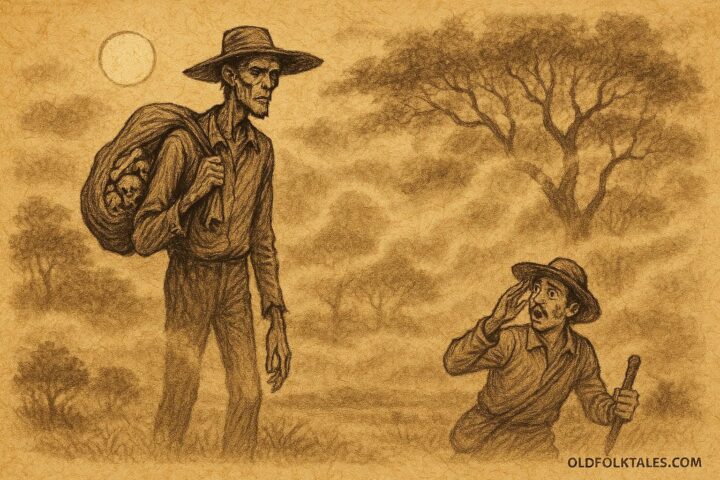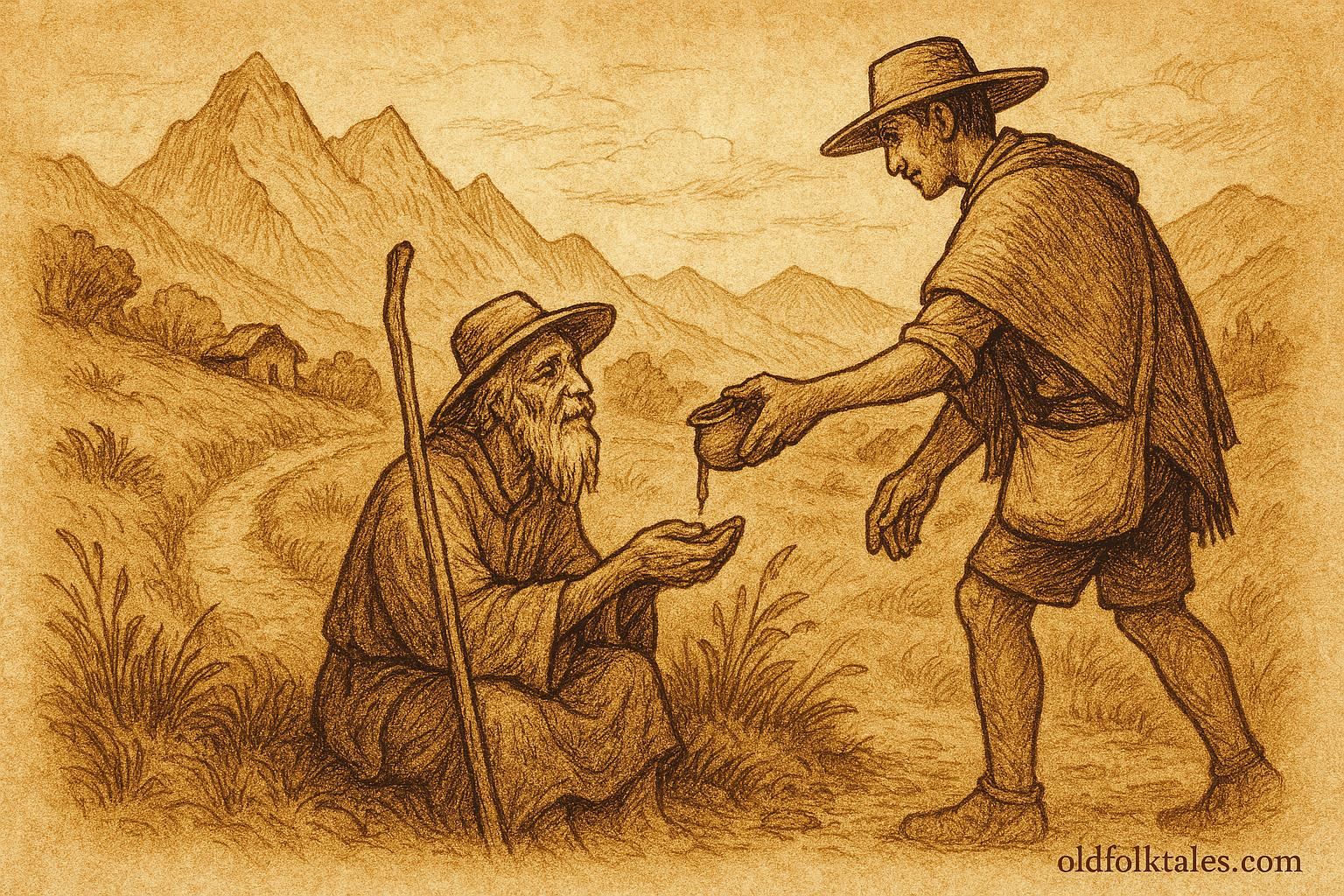
High in the Andes, where winding dirt roads thread between terraced fields and rugged hills, villagers speak of El Viejo del Camino Rural, the old man of the country road. He is a figure both familiar and mysterious: bent with age, carrying a weathered staff, and often seen pausing along the dusty path to rest or ask for a sip of water. Travelers and villagers alike whisper about him, for encounters with the old man are never ordinary, they carry lessons that endure across generations.
The old man does not appear suddenly, but rather gradually enters one’s awareness. Perhaps a faint shuffle of feet over the gravel, a low voice calling for water, or the glimmer of a tired face under the sun. He carries nothing but a small bundle, and his eyes reflect the wisdom of the mountains themselves. Some say he embodies the spirit of the land, a guardian whose presence rewards kindness and punishes neglect.
Immerse yourself in Latin America’s stories of passion, transformation, and spirit.
Travelers on long rural roads often find themselves exhausted, their hands blistered from labor or their shoulders weary from carrying goods to distant markets. When the old man appears, he asks simply for water or a place to rest. Those who offer generously, filling his cup from their own supply or sharing a patch of shade beneath a tree, later notice subtle blessings in their lives. A farmer’s crops flourish unexpectedly, a mule finds its way safely through treacherous terrain, or a path that was previously blocked becomes smooth and clear. These small rewards, often unrecognized by the casual observer, are seen as the old man’s quiet acknowledgment of compassion.
Conversely, villagers warn that those who turn him away, who shrug off his requests in haste or disdain, often encounter frustration. Tools break, shipments of produce are delayed, or sudden misfortune strikes. The lessons are never violent or cruel but subtle, reminders that life in the Andes flows more harmoniously when one acts with generosity.
Stories abound among families gathered by firesides. One tale tells of a young farmer walking to the market with a heavy load of potatoes. Seeing the old man, he pauses despite the weight, offering a drink from his waterskin. Later that season, his potato field produced a bounty far greater than expected, ensuring the family’s prosperity. Another story recounts a merchant who ignored the man’s request for rest, hurrying past to deliver goods. Soon after, his wagon’s wheel broke in the remote mountain pass, and he lost both time and profit, learning that small acts of kindness often avert hardship.
El Viejo del Camino Rural embodies more than mere superstition; he represents the interconnectedness of the people, the land, and the unseen forces that sustain both. His figure reminds villagers that human relationships, respect for travelers, and simple generosity are integral to communal and personal well-being. Children are taught from an early age to notice weary travelers, to share water or bread, and to see each act of kindness as part of the fabric of life.
Even now, on quiet roads winding through the Andean highlands, travelers may encounter a frail figure leaning on a staff, eyes twinkling beneath a wide-brimmed hat. Whether he is spirit, elder, or symbol, the lesson remains the same: those who act with compassion strengthen both the land and their community, while those who neglect it risk subtle misfortune. The story of El Viejo del Camino Rural endures as a timeless guide, reminding all who hear it that small acts of generosity ripple far beyond the moment.
Moral Lesson
El Viejo del Camino Rural teaches that compassion and generosity toward strangers strengthen community, personal fortune, and harmony with the land.
Knowledge Check
1. Who is El Viejo del Camino Rural?
An old man traveling rural roads, often asking for water or rest, symbolizing the spirit of the land.
2. What happens to travelers who help him?
They often find their crops thriving, paths cleared, or unexpected blessings in their work.
3. What happens to those who refuse to help him?
They may face broken tools, misfortune, or other subtle setbacks.
4. What does the old man represent?
Compassion, generosity, and the interconnected spirit of community and land.
5. Why is this story culturally significant?
It reflects Andean rural folklore, teaching moral lessons about kindness, communal support, and respect for travelers.
6. How do villagers use this story in daily life?
To teach children and travelers the value of helping others and maintaining harmony with their surroundings.
Source: Andean rural folklore
Cultural Origin: Peru & Bolivia