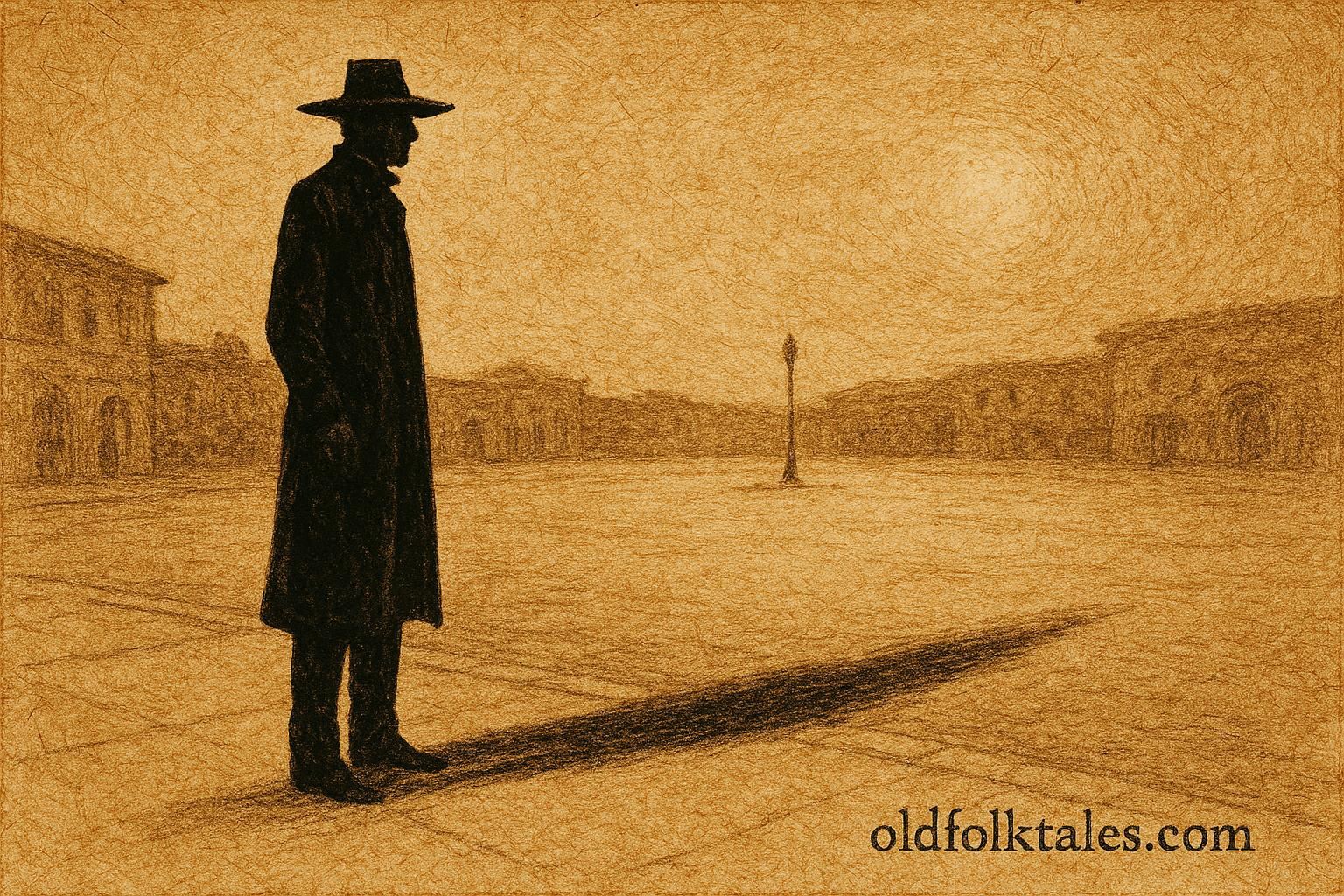
In the crowded plazas and dimly lit streets of Mexico and Central America, there is a name spoken quietly when night deepens and caution fades. Vendors pack away their stalls, bars spill laughter onto sidewalks, and streetlights flicker over uneven pavement. It is during these late hours that people speak of El Hombre del Sombrero.
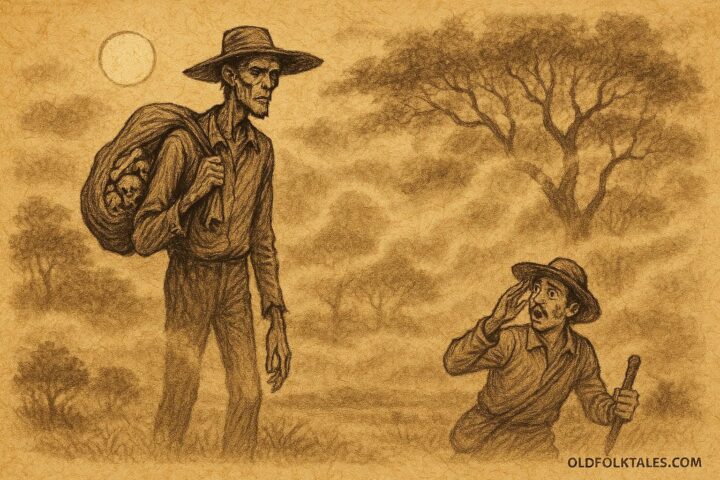
Those who claim to have seen him describe the same figure. He is tall and slender, dressed entirely in black. His coat is neat, his shoes polished, and upon his head rests a wide-brimmed hat that casts his face in shadow. No one recalls his eyes clearly. His presence feels deliberate, as though he has chosen the moment carefully.
Explore the land of La Llorona, trickster coyotes, and magical realism in Mexican folklore
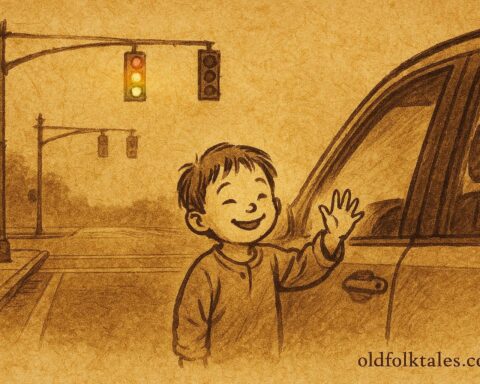
He appears where people linger alone, near bus stops after midnight, outside bars as crowds thin, or at street corners where the lost and tired pause to decide their next step. He never rushes. He approaches calmly, his voice smooth and respectful, his manner polite.
To some, he offers money. To others, companionship or guidance. Sometimes he claims to know a shortcut home or promises protection from unseen danger. His words sound reasonable, even kind. Those who speak with him often feel strangely understood, as if he knows exactly what they lack.
Yet almost immediately, unease begins to grow.
People who walk beside him notice that his footsteps make no sound, even on stone or gravel. Streetlights stretch his shadow unnaturally long, bending in ways that do not match his movements. The air feels colder. A quiet pressure settles in the chest, a warning that arrives too late.
Just as fear reaches its peak, El Hombre del Sombrero vanishes.
He does not run. He does not fade slowly. One moment he is there, his hat low and his voice calm—and the next, the street is empty. What remains is a deep chill and a lingering sense of dread that follows the witness long after the encounter ends.
Some stories end there. Others do not.
Urban legends claim that those who follow him too far are led toward danger. Some are drawn into crime. Others fall into addiction, ruin, or sudden disappearance. A few are never seen again. Elders say he does not force anyone to follow; he only invites. The choice, they warn, is what seals one’s fate.
There are rules whispered alongside the warnings. He cannot cross sacred ground. Churches, shrines, and blessed spaces repel him. At sunrise, he disappears completely, as though daylight strips him of power. Priests and elders teach that prayer and self-control offer protection, but curiosity and greed leave doors open.
Across Mexico and Central America, El Hombre del Sombrero is not described as a simple monster. He is a test. He appears not to the strong, but to the uncertain. Not to the prepared, but to the tempted.
Parents warn their children. Friends caution one another after long nights. The legend survives because it reflects a truth deeply understood: danger often wears a charming face, and the most destructive paths rarely announce themselves as evil.
When night falls and footsteps echo behind you, the story advises only one thing, do not follow every polite offer made in the dark.
Immerse yourself in Latin America’s stories of passion, transformation, and spirit.
Moral Lesson
This folktale teaches that temptation often hides behind charm and courtesy. Easy offers and pleasant words may conceal harm, and those who follow without caution risk losing far more than they gain.
Knowledge Check
1. Who is El Hombre del Sombrero?
A mysterious man in black believed to embody temptation and hidden evil.
2. Where does this urban folktale originate?
Mexico and Central America.
3. When does he usually appear?
Late at night near plazas, bars, bus stops, and quiet streets.
4. What unsettling signs reveal his true nature?
His silent footsteps, unnatural shadow, and sudden disappearance.
5. What places is he unable to cross?
Sacred ground such as churches and shrines.
6. What lesson does the legend teach?
Temptation disguised as kindness can lead to ruin.
Source: Urban oral tradition
Cultural Origin: Mexico & Central America (Urban folklore)