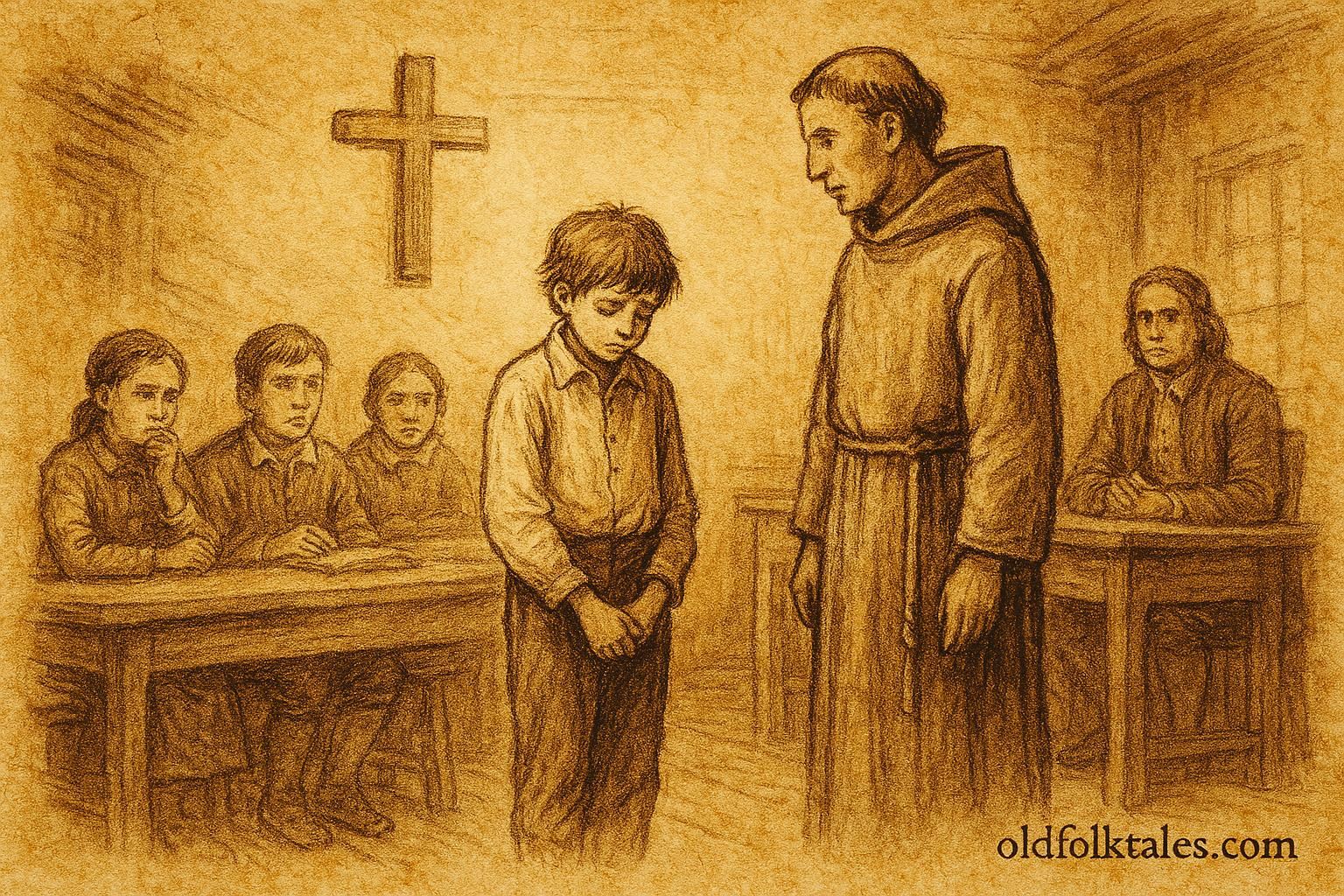
In a colonial town shaped by stone churches and narrow streets, there lived a young student whose greatest talent was avoiding effort. He attended lessons under the guidance of learned teachers, men shaped by Spanish Catholic instruction who believed study was not only a path to knowledge, but a test of character. Yet the student treated learning lightly, seeing books as burdens and discipline as an inconvenience.
Each morning, he arrived late or unprepared. When lessons were assigned, he searched for shortcuts rather than understanding. He memorized just enough to appear competent, copying answers when he could and relying on clever excuses when he could not. While other students labored patiently over their work, he laughed quietly at his own cleverness, believing effort to be unnecessary.
Journey through Central America’s heartlands and hear its stories of creation, courage, and nature.
His teachers noticed. They warned him gently at first, reminding him that learning demanded humility and persistence. They spoke of responsibility, of the duty each student owed to both God and community. The young man listened politely but dismissed their words as exaggerated sermons meant for others, not for someone as quick-thinking as himself.
As time passed, the warnings grew firmer. One teacher spoke openly of consequence, explaining that knowledge built on deception could not support real responsibility. Still, the student ignored the counsel. He believed that appearances mattered more than preparation, and that fortune would always protect him from failure.
Eventually, the day came when excuses could no longer save him. The student was called upon publicly to demonstrate his learning before peers and elders. The task required not memorized fragments, but true understanding. Standing before them, his confidence faded. Questions followed questions, and each one revealed the emptiness beneath his shortcuts.
Silence filled the room. Murmurs spread among the observers as the student struggled and failed. His shame was not cruelly delivered, but it was unmistakable. The humiliation cut deeper than any punishment, for it exposed his own neglect rather than the harshness of others.
In the days that followed, hardship replaced ease. Without praise or protection, the student faced the consequences of his choices. Slowly, he began to understand what his teachers had tried to give him freely. He returned to his studies with lowered pride and renewed purpose, accepting discipline not as oppression, but as guidance.
Over time, effort replaced laziness. He studied carefully, asked questions honestly, and learned to respect both instruction and responsibility. Though his earlier failure was remembered, it became a lesson rather than a label. Through humility and perseverance, he earned knowledge that could not be taken from him.
Moral Lesson
This folktale teaches that discipline and responsibility are moral virtues, not punishments. True learning requires humility, effort, and respect for guidance.
Knowledge Check
1. Who is the main character of the story?
A young colonial student who avoids effort and responsibility.
2. How does the student approach learning at first?
He relies on shortcuts, deception, and excuses.
3. What role do the teachers play?
They represent moral and educational guidance rooted in Catholic instruction.
4. What causes the student’s public failure?
His lack of true understanding and discipline.
5. How does the student change by the end?
He commits to honest study and personal responsibility.
6. What cultural values does the story reflect?
Spanish colonial beliefs in discipline, humility, and moral education.
Source: Colonial educational folklore; missionary teaching stories
Cultural Origin: Mexico (Spanish Colonial period)