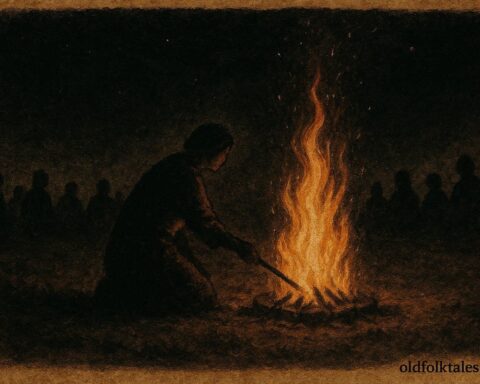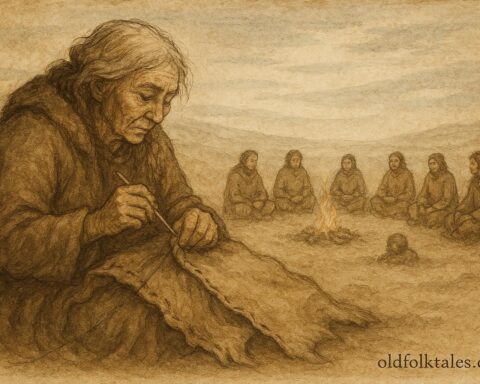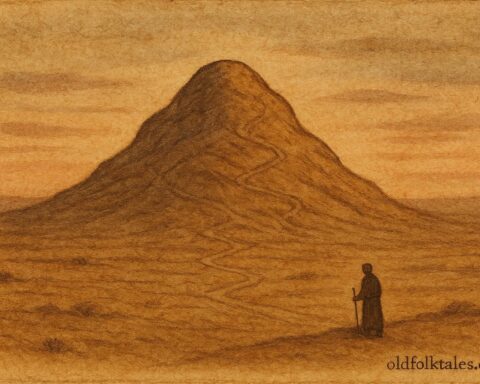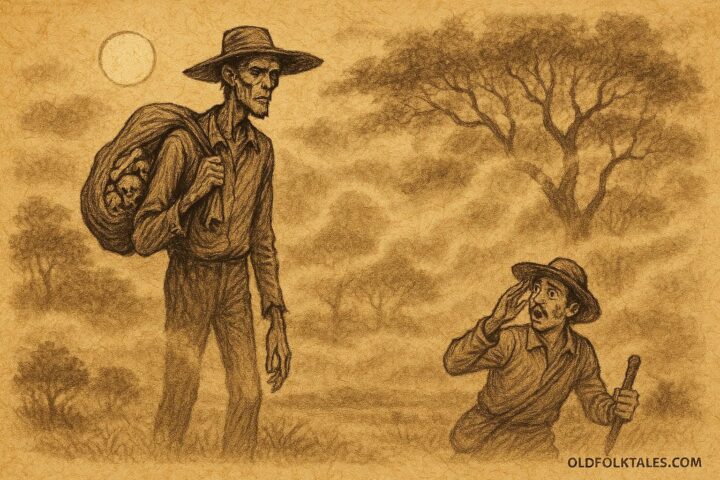
Long ago, in the wide lands of valleys, rivers, and open plateaus, there lived a people who were known to others by a troubling name. They were called the Hairy Heart People. The name did not come from how they looked, for they appeared much like any other people. It came from what lived unseen inside them.
The elders of neighboring communities said that the Hairy Heart People were born with their hearts covered in thick hair. This hair was not made of strands like those on the head, but of something heavier and deeper. It dulled feeling. It blocked sympathy. Because of it, the Hairy Heart People could not truly feel compassion for others.
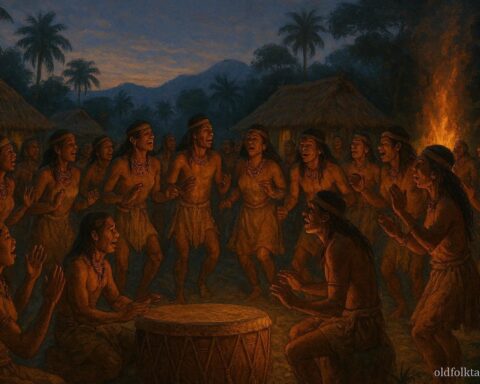
They lived in strong houses and worked the land well. They hunted animals of the plains and gathered roots from the earth. They knew how to survive harsh winters and dry summers. In skill and strength, they lacked nothing. But in their villages, there was little warmth.
Explore the ancestral legends of Canada, Mesoamerica, and South America’s Indigenous tribes.
Among them, suffering was seen as a personal matter. If a child cried from hunger, no neighbor came to help. If an elder grew weak, they were left to struggle alone. Illness was endured silently, and death was met without mourning. The Hairy Heart People believed this was the natural order of things. They taught their children that caring too much would only make life harder.
Travelers sometimes passed through their territory. These travelers asked for food, water, or a place to rest. The Hairy Heart People turned them away every time. Doors were closed, and fires were hidden. Soon, word spread, and few outsiders dared to enter their land. Those who lived nearby warned one another that kindness would find no home there.
For many seasons, the Hairy Heart People prospered. Their food stores were full, and their hunters returned with success. They believed this proved they were right. They laughed at stories told by others about sharing and community, calling them foolish ideas.
Then the land began to change.
One year, the rains did not come. Rivers grew shallow. Plants dried under the sun. Animals moved away in search of water. At first, the Hairy Heart People were not concerned. They believed strength alone would carry them through, just as it always had.
But as seasons passed, food grew scarce. Hunting became difficult. Children grew thin, and elders weakened. Still, no one shared what little they had. Each household guarded its own supplies, watching others suffer without offering help.
Soon, sickness spread. One man fell ill and called out for assistance. His voice echoed through the village, unanswered. When he died, his body remained where it lay. This troubled some of the people, though they did not yet understand why. A strange heaviness settled in their chests, an unfamiliar discomfort pressing against the hair around their hearts.
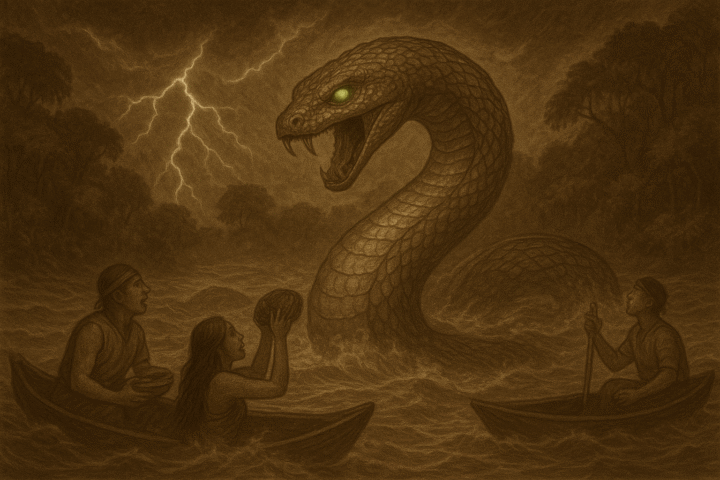
Then, one night, the sky darkened, and a powerful storm arrived.
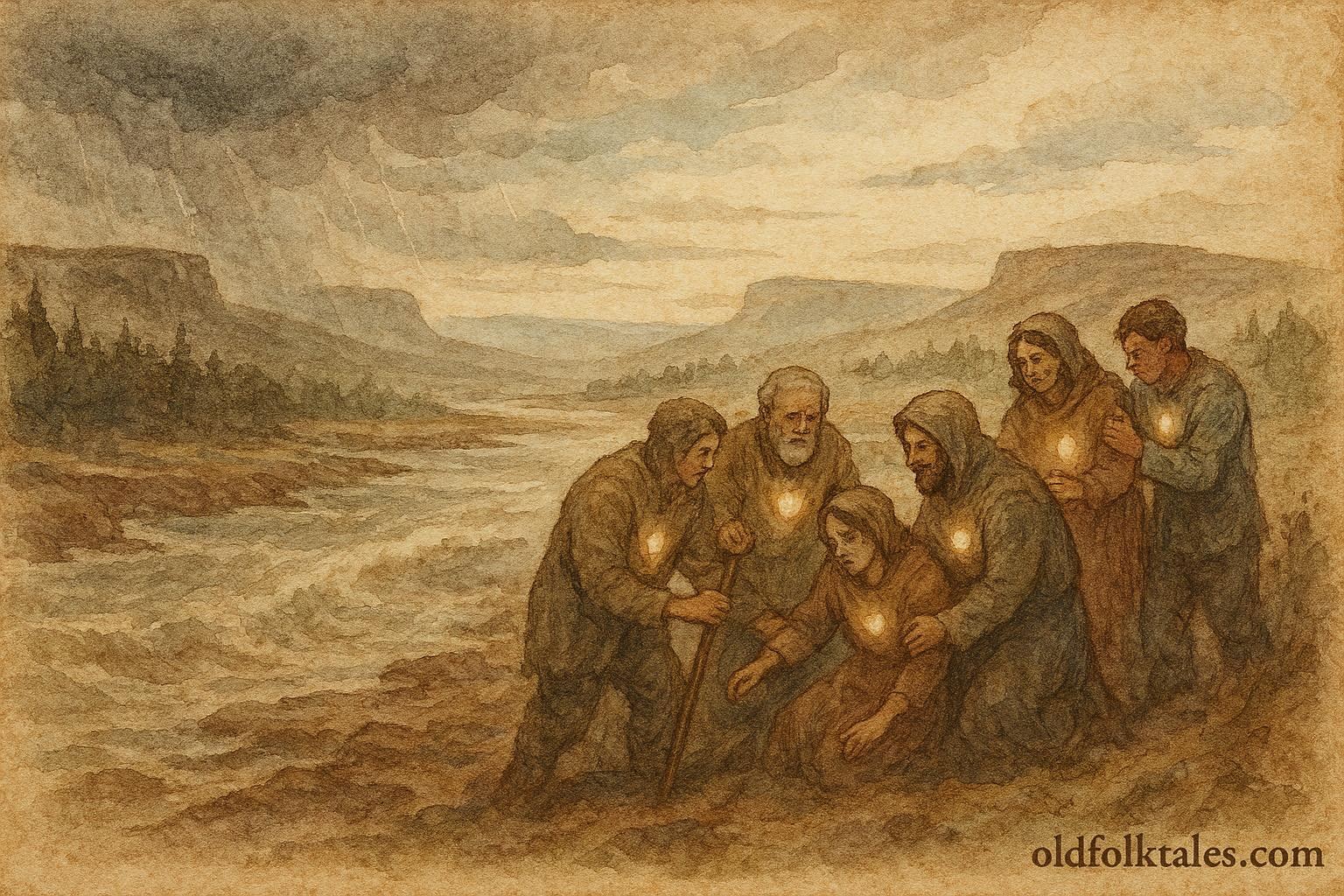
Thunder shook the land, and rain poured with great force. Rivers overflowed their banks, and floodwaters rushed through the villages. Homes collapsed. Food stores were swept away. Families were separated in the darkness as cries filled the air.
For the first time, the Hairy Heart People faced disaster together.
A woman was pulled from her footing by the rushing water and clung desperately to a fallen tree. Nearby, she heard the desperate cries of a child and saw another woman struggling to keep the child above the water. Something deep inside her stirred painfully. She did not think. She reached out and pulled them toward safety.
As she did, a sharp ache spread through her chest, followed by warmth. The hair around her heart loosened slightly.
All across the land, similar moments unfolded. People reached for one another. They lifted the injured, guided the lost, and shared shelter when the storm finally eased. Each act of kindness caused more of the hair around their hearts to thin and fall away.
When the waters receded, the Hairy Heart People looked at one another differently. They felt grief for those they had lost and shame for the care they had withheld for so long. They felt gratitude toward those who had helped them survive.
These emotions were overwhelming. Many wept openly, something they had never done before.
The elders gathered the people together and spoke honestly. They said that hardship had stripped away the hair that once blocked their hearts. Compassion, they explained, could not grow in comfort alone. It was awakened through shared suffering and understanding.
From that time forward, the people changed. They rebuilt their homes together. Food was shared. Elders were cared for, and children were taught that strength without compassion leads only to emptiness.
The name Hairy Heart People was no longer spoken among them, except as a warning. The story was passed down so future generations would remember what happens when hearts are closed and how hardship can awaken empathy.
Moral Lesson
True strength lies in compassion. When people close their hearts to others, they lose their humanity, but hardship can awaken empathy and restore balance within a community.
Knowledge Check
- Why were the people called the Hairy Heart People?
Because their hearts were covered in hair that blocked compassion - How did they treat others before hardship came?
They refused help and believed suffering should be endured alone - What natural events changed their lives?
A long drought followed by a destructive storm and flood - What caused the hair around their hearts to fall away?
Acts of kindness and helping one another - What emotions did they feel after the change?
Grief shame gratitude and empathy. - What lesson did the elders pass down?
That compassion is essential for community survival.
Source: Native Languages org Indigenous moral narrative collections
Cultural Origin: Salish and Interior Plateau peoples Canada